Hello everyone! While researching Spain’s historical footprint abroad, I came across a very interesting place. When it comes to Spanish universities, we might first think of Salamanca or the Complutense University of Madrid, or maybe a certain royal university in Spain. But did you know that in distant Asia, specifically in Manila, Philippines, there is a university established by Spain that is even older than Harvard University—the University of Santo Tomas.
The full name of this university is quite impressive: The Royal and Pontifical University of Santo Tomas of the Philippines. It was founded in 1611 by Miguel de Benavides, a Spanish Dominican missionary, and is the oldest existing university in Asia. Its ‘Royal’ title was granted in 1785 by King Charles III of Spain in recognition of its loyalty and academic contributions. This title wasn’t given out lightly; it signified its important status within the Spanish Empire’s system.
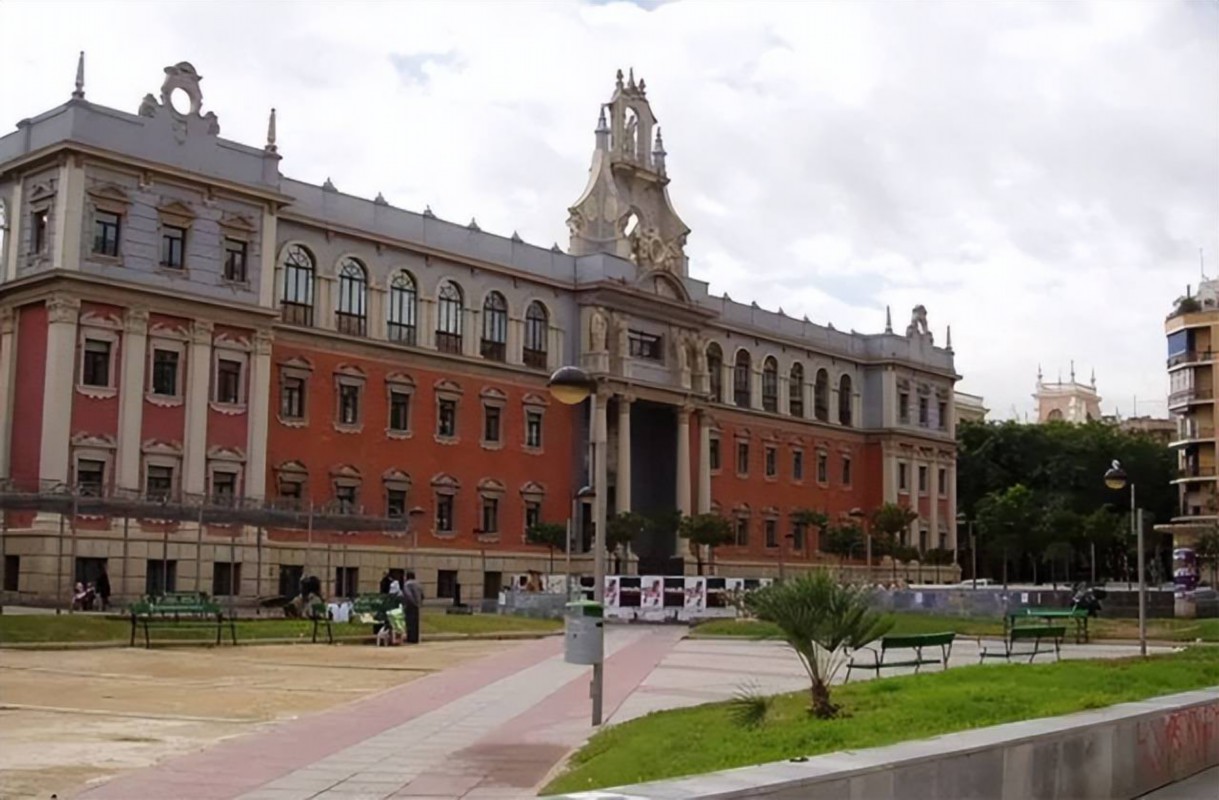
A Legacy of History and Modern Vitality
Walking through the campus of the University of Santo Tomas feels like stepping back into the Spanish colonial era. The Main Building, the library, and the ‘Arch of the Centuries’ on campus are all steeped in a rich Spanish Baroque style. It’s not just a university, but a living history museum. It has witnessed the entire history of the Philippines, from a Spanish colony to an independent republic. During World War II, the campus was even used by the Japanese army as an internment camp—a poignant chapter in its history. Many of the Philippines’ national heroes and elites, such as José Rizal, studied here.
Don’t think it’s just a historical relic; the University of Santo Tomas remains one of the top comprehensive private universities in the Philippines today, renowned in fields like medicine, law, engineering, and the humanities. The simple table below clearly shows just how old it is:
| University Name | Year Founded | Location |
|---|
| University of Santo Tomas | 1611 | Manila, Philippines |
| Harvard University | 1636 | Cambridge, USA |
| University of Salamanca | 1218 | Salamanca, Spain |
Seeing this comparison, isn’t it stunning? To think that a university in Asia has a history comparable to a top institution in the New World. Although it now primarily uses English and Filipino for instruction, the roots of Spanish language and culture are still deeply embedded. This is truly a unique cultural heritage that Spain has left to the world, extending far beyond the Iberian Peninsula. I wonder if any of you have been to the Philippines and seen this university in person? Or does anyone know of other hidden Spanish imprints in corners of the world? Feel free to join the discussion!
