Finally graduated from King Juan Carlos University! Hooray! Looking back, this last year has been a bittersweet journey. I just finished all the graduation paperwork today, so while it’s still fresh in my mind, I want to share some insights about the URJC diploma process. Hopefully, this will help fellow students who come after me.
First, it’s crucial to understand two key documents: the provisional certificate and the official diploma. Once you’ve passed your last exam and the grades are in the system, you can go to the Secretary’s Office to apply for the provisional certificate. This document is sufficient for job hunting or applying for a master’s degree in Spain. However, for degree recognition back home, you must wait for the beautiful, king-signed official diploma! That’s the ultimate prize.
Application Process and Timeline
The application and waiting period is a major concern for graduates, especially for students in a hurry to get their degree recognized, a process similar to that for a Universidad Europea diploma. I’ve organized the key information into a table for clarity:
| Item | Provisional Certificate | Official Diploma (Título) |
|---|
| Application Time | After all grades are published | After paying the official diploma fee |
| Processing Time | Approx. 1-2 weeks | Approx. 1-2 years |
| Fee | Approx. €30 | Approx. €180-€200 |
| Primary Use | Further studies, local job search | Degree recognition abroad, permanent validity |
You can download the payment form from the university’s official website. After paying at the bank, submit the receipt along with the application form to the Secretary’s Office to start the process. Remember, the waiting time for the official diploma is very, very long, so be mentally prepared.
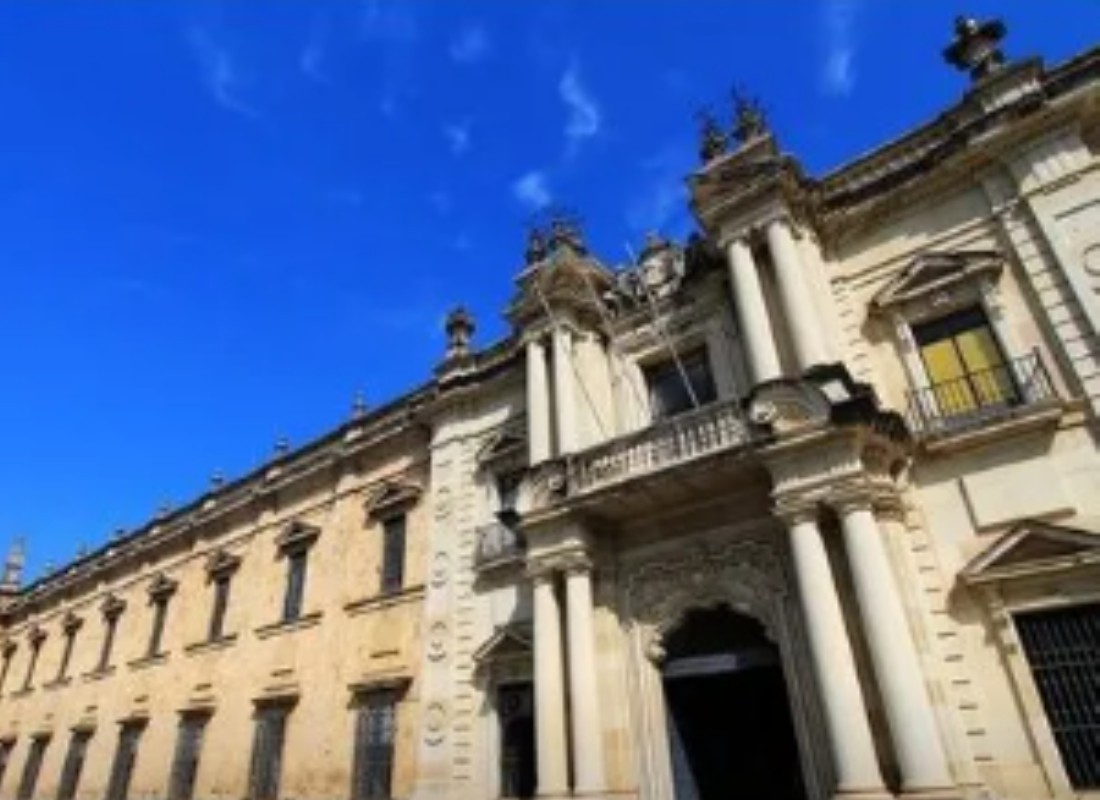
The wait for the official diploma is extremely long; many of my classmates waited a year and a half to get theirs. The university’s efficiency… well, you know how it is. That’s why applying for a Spanish university diploma requires advance planning. If you’ve already returned to your home country, you can authorize a friend to collect it for you, but this requires a notarized power of attorney. Pro Tip: Once you have the provisional certificate, you can start the degree recognition process back home. You can often submit the provisional certificate and academic transcript for a preliminary review and then submit the official Título once you receive it. For specifics, it’s best to consult your country’s education accreditation body.
Graduation is a happy occasion, but the follow-up procedures can be quite tedious. If you have any questions or know of any other pitfalls I haven’t mentioned, feel free to add them in the comments below! I hope everyone gets their diploma smoothly and doesn’t have to make as many trips to the Secretary’s Office as I did. Wishing you all the best for the future!
