An Insider’s Look at the University of Burgos
There haven’t been many discussions about universities in Northern Spain on the forums lately. Since a friend just asked me about the University of Burgos, I thought I’d put together some information for students in the process of choosing a school. This is purely my personal take, meant to be a more grounded perspective—no official PR spin!
Location and City Vibe
The University of Burgos is located in the Castile and León region in north-central Spain. The city of Burgos is the capital of its province. This city is incredibly rich in history; it’s the hometown of the national hero El Cid and boasts a Gothic cathedral listed as a UNESCO World Heritage site. UBU is a relatively young public university, officially founded in 1994, but its origins trace back to earlier institutions. Studying in such a classic city is quite a unique experience.
Campus and Facilities
The university has two main campuses: the San Amaro/Hospital del Rey campus and the Río Vena campus. The Hospital del Rey campus is particularly noteworthy. It’s a conversion of an ancient hospital for pilgrims, and the architecture is stunning. Most of the humanities and social sciences faculties are located here. Walking on campus, you’re immediately struck by a sense of history, creating a fantastic learning atmosphere.
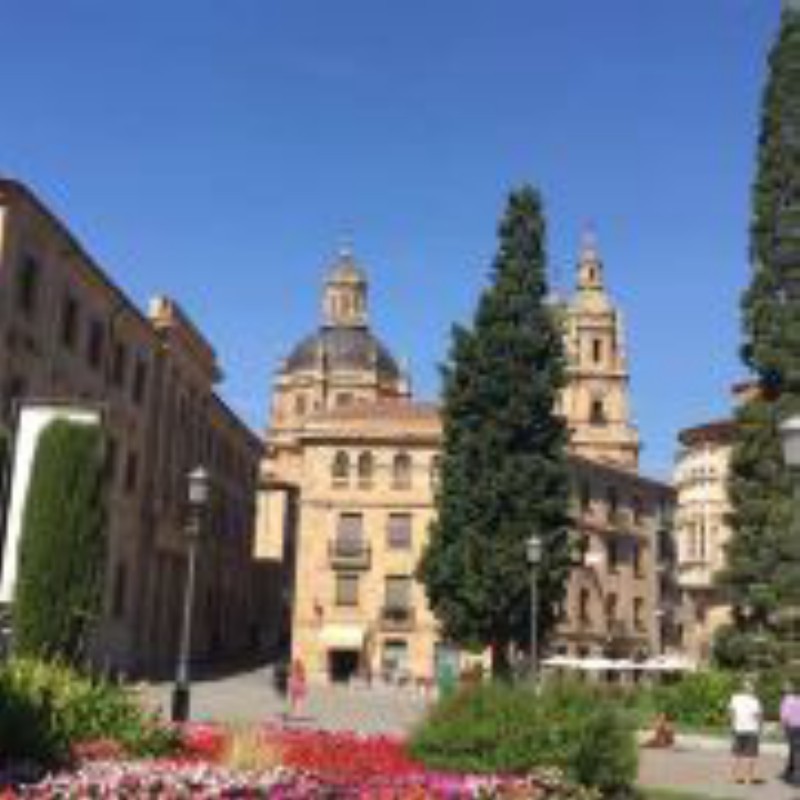
Students in science and engineering are mainly at the Río Vena campus, where the facilities are more modern. Overall, while the university isn’t large, it’s well-equipped with libraries, gyms, and cafeterias, fully meeting the needs of daily study and life.
Strong Programs and Academics
When it comes to academics, the University of Burgos is arguably most renowned for its programs related to anthropology and heritage. After all, the world-famous Atapuerca archaeological site is nearby, giving the university a unique advantage in Human Evolution Studies. Additionally, its programs in Chemistry, Food Science, Tourism, and Business Administration are also quite strong. I’ve put together a simple table here with some of the main faculties and their notable programs for your reference:
| Faculty | Examples of Notable Programs |
|---|
| Faculty of Humanities and Education | Human Evolution, History and Heritage, Spanish Language and Literature |
| Faculty of Economics and Business | Business Administration, Tourism Management |
| Faculty of Sciences | Chemistry, Food Science and Technology |
| Higher Polytechnic School | Industrial Organization Engineering, Civil Engineering |
Cost of Living and Lifestyle
Finally, let’s talk about something everyone cares about: daily life. Burgos is a small to medium-sized city, so the cost of living is significantly lower than in Madrid or Barcelona, especially when it comes to rent. The winters here are genuinely cold—it’s said to be one of the coldest cities in Spain, so if you’re not a fan of the cold, be prepared. But the summers are very pleasant. The city is very safe with a slow, relaxed pace of life. On weekends, you can wander through the old town and try local specialty Tapas, like Morcilla de Burgos. As for the taste… it’s an acquired taste, but it’s definitely a local specialty! In short, if you’re looking for a quiet, safe, and historic study environment with a low cost of living, the University of Burgos is an excellent choice. Anyone with more to share about the University of Burgos is welcome to join the discussion below!
