Hi everyone! Lately, I’ve seen a lot of discussions on the forum about Master’s applications, but it seems there’s less information about doctoral programs. Since I have some knowledge about remote PhD degrees at Spanish universities and PhD degrees in Spanish universities in general, I thought I’d start a thread to talk about what it’s like to do a PhD in Spain, covering everything from the application process to the student experience. I hope this can be a useful reference for those considering further studies. This is purely a summary of my personal experience and information, and I welcome everyone to join the discussion and add their own insights
!
Many people might ask, why choose Spain for a PhD? Besides the sunshine, delicious food, and relatively relaxed pace of life, Spain’s higher education system has deep roots, especially in certain fields. Compared to the UK or the US, the doctoral training model here places more emphasis on independent research, and supervisors usually grant a high degree of freedom. Moreover, the cost of living and tuition fees are much more affordable, making it an excellent option for students who don’t want to take on significant financial debt.
Basic PhD Application Process
The core approach to applying for a PhD in Spain is quite different from the UK/US model; it’s more like “job hunting.” The crucial first step is to contact a supervisor! You need to first identify your research interests and then browse the websites of various universities to find relevant doctoral programs and potential supervisors. Prepare your CV, research proposal, Master’s degree certificate, and other documents, and proactively email the supervisors you’re interested in. Once a supervisor agrees to accept you, the rest of the process is mostly administrative paperwork with the university. Regarding language, although many STEM programs accept English, knowing some Spanish is definitely a huge advantage.
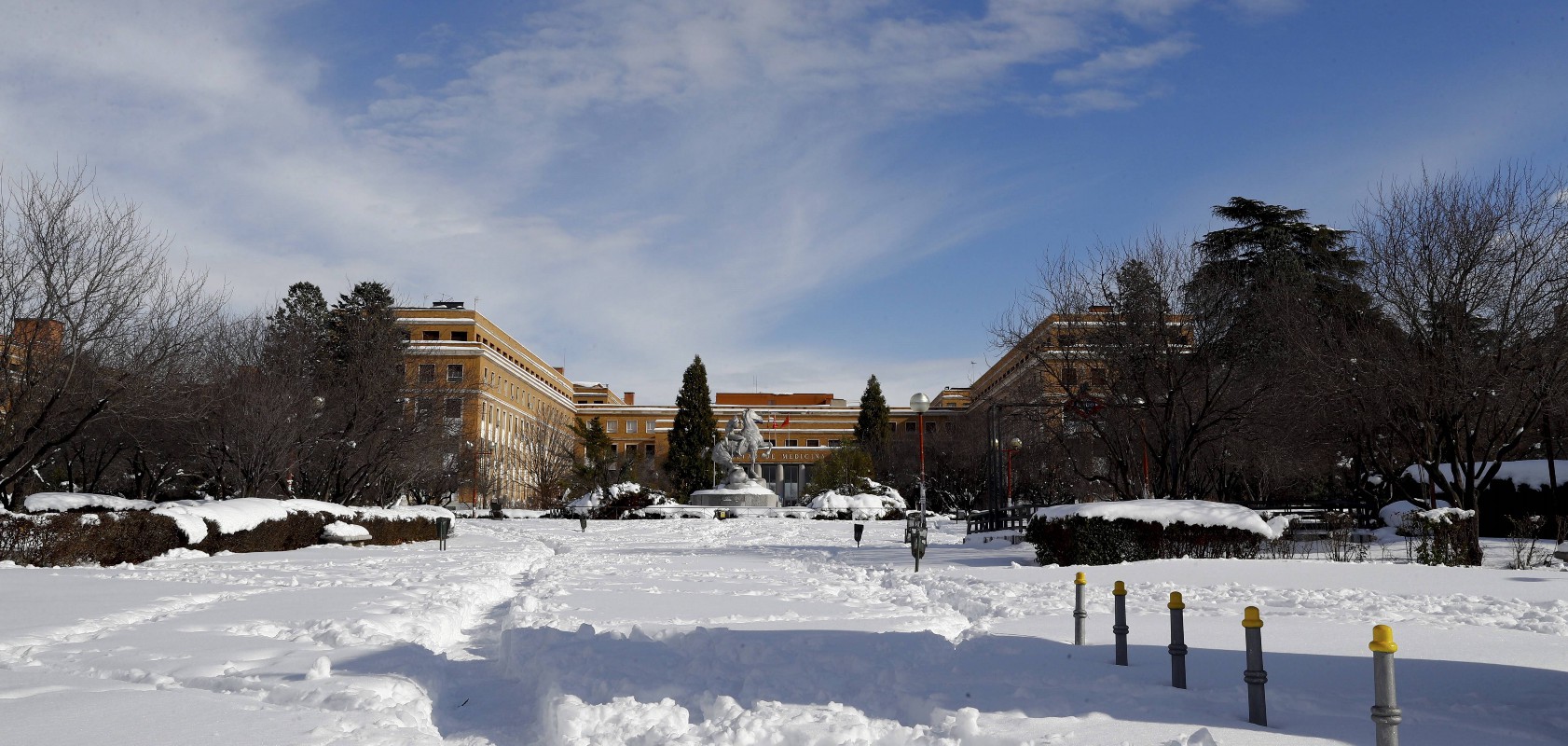
PhD programs in Spain typically last for 3-5 years. After enrollment, you will be registered under the university’s doctoral school (escuela de doctorado)
. There aren’t many fixed courses; your main tasks are conducting research and publishing papers. Each year, you need to submit an annual research progress report and present it to your supervisor and a review committee. You must pass this evaluation to continue to the next year of study. The entire process is a significant test of your self-discipline and ability to solve problems independently. It can be stressful, but you’ll learn a great deal.
About Scholarships
Funding is a major concern. There are quite a few types of scholarships in Spain, which can be broadly divided into government-level and university-level funding. There are many opportunities available for international students. Here is a simple table for your reference:
| Scholarship Type | Issuing Body | Features | Application Difficulty |
|---|
| FPU | Spanish Ministry of Education | For PhD students enrolled in Spanish universities, paid as a salary | Extremely high, usually requires a Spanish Master’s or Bachelor’s degree |
| FPI | Spanish Ministry of Science and Innovation | Tied to a specific research project, similar to a research assistant position | Very high, requires the supervisor’s project to have a funded position |
| University Scholarships | Individual Universities | Offered by universities or departments themselves, many different types | Varies, requires closely monitoring official university websites |
| CSC | China Scholarship Council | For Chinese students, covers tuition and living expenses | Highly competitive, requires passing a selection process in China |
Doing a PhD in Spain is a journey of both challenges and joys. It allows you to delve deep into your academic field while also experiencing the unique culture of Southern Europe. If you are someone who enjoys independent thinking, loves research, and is not solely focused on immediate gains, Spain might offer you a pleasant surprise. I hope this post is helpful to everyone. I also welcome PhDs who have already been admitted to share their experiences, and anyone with questions to leave a comment below for discussion!
