There seem to be more posts about studying abroad on the forum lately, and I’ve noticed some people asking about humanities majors, especially literature. As a senior who has spent years grinding through ‘literary history’ in Spain, I’m here today to talk about this major that sounds very romantic but is actually quite hardcore to study.
What Exactly Do You Study in a Spanish Literature Program?
Many people think studying literature is all about reading novels and writing book reports every day, but that’s a bit naive! A literature major in Spain, officially called “Filología Hispánica” or “Estudios Hispánicos,” covers a much broader curriculum than you might imagine. Besides Spanish literary history from various periods and literary analysis, we also study linguistics, phonetics, lexicology, basic Latin, and even classical philology. In short, it’s a discipline that requires you to settle down and focus on research, demanding a high level of language proficiency and logical thinking.
Top Universities and Specializations
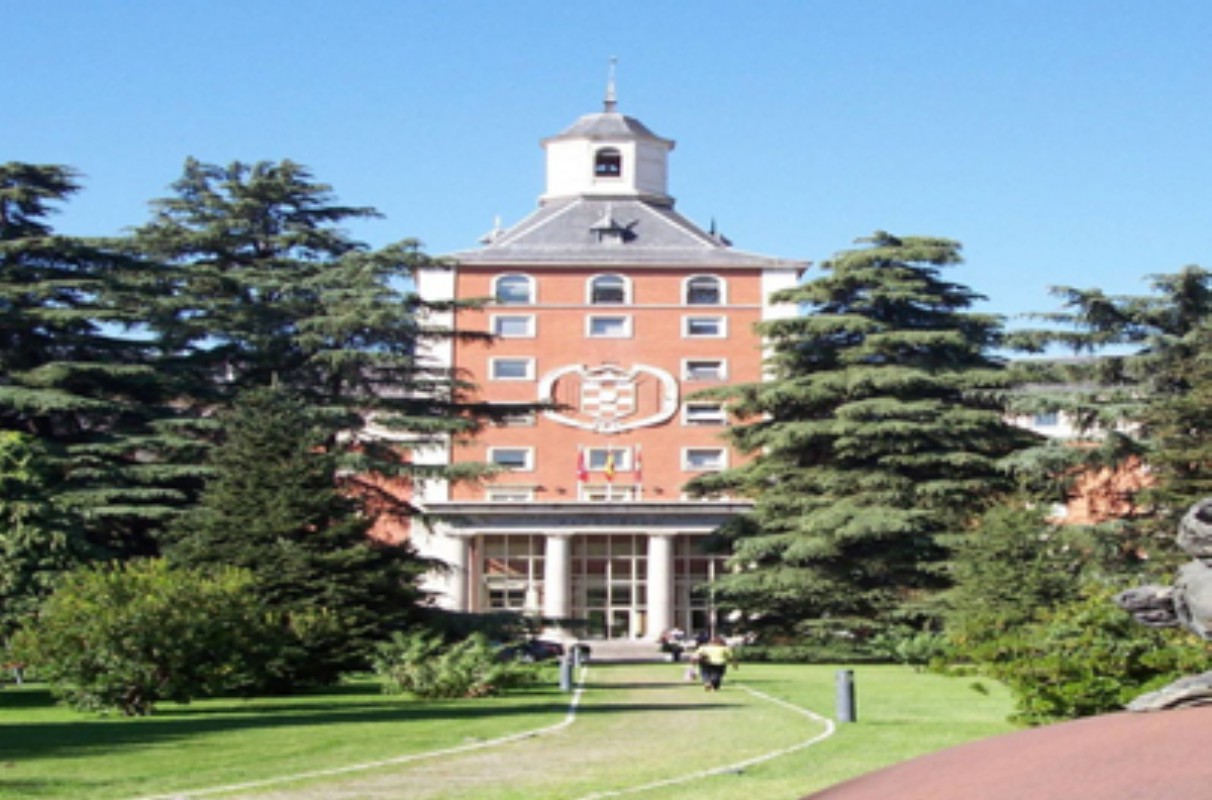
When it comes to literature programs in Spain, a few universities are impossible to ignore. For instance, the University of Salamanca, with its long-standing Faculty of Philology, is a premier institution for Hispanic studies. The Complutense University of Madrid and the University of Barcelona also boast top-tier literature programs. Each university has a different focus; some may emphasize medieval literature, while others have a stronger profile in Latin American literature studies. It’s crucial to check the official websites for detailed curriculum information before applying. I’ve put together a simple table of top Spanish universities for literature for your reference:
| University | Traditional Strengths | Special Features |
|---|
| University of Salamanca | Hispanic Linguistics, Classical Literature | Official DELE exam creator |
| Complutense University of Madrid | Literary Theory, Modern & Contemporary Literature | Abundant resources, numerous cultural events |
| University of Granada | Arabic Studies, Translation Studies | Unique location, strong in cross-cultural research |
What Can You Do After Graduation?
This is the question on everyone’s mind. Many people have the misconception that a literature major = instant unemployment. In reality, the career paths are quite diverse! The most direct path is education, such as becoming a Spanish teacher. Additionally, fields like publishing (as an editor), translation, cultural event planning, diplomacy, and international trade all require professionals with a deep understanding of language and culture. I have classmates who went on to work at consulates or in copyright management for major publishing houses after graduation.
Studying literature in Spain is a truly unique cultural immersion that will deepen your understanding of Spain and the entire Spanish-speaking world to a whole new level. It may not be as ‘practical’ as a business degree, but the language and literature programs at Spanish universities provide you with invaluable critical thinking skills and a strong humanistic foundation. If you genuinely love language and culture and are prepared to dedicate yourself to in-depth study, then it is absolutely a path worth choosing! Keep going, future literary scholars
!
