Hello, everyone! I’ve been a lurker here for a while and noticed many new students asking about university life in Spain, so I finally decided to pop in and share my thoughts. I’m currently pursuing a Master’s degree at the Polytechnic University of Valencia, and I’d like to share my firsthand perspective on what it’s really like to study here. I hope this helps anyone feeling a bit lost.
When it comes to classes, perhaps the most striking feature is the “freedom”. Professors often finish their lectures and leave, putting the onus on you to manage your own study time. You’ll be swamped with group projects, meeting constantly to coordinate, discuss, and create presentations with classmates from all over the world. It was incredibly challenging at first, but once you get the hang of it, the improvement in your teamwork and communication skills is immense. Independent study is absolutely key to survival!
Academics and Exams: More Complex Than You Think
Don’t be mistaken—university here is no walk in the park, especially when it comes to tasks like university-level Spanish writing. The grading system in Spanish universities is quite diverse; it’s not all about one final exam. Continuous assessment plays a significant role. Here’s a table of a typical grading structure, though it can vary slightly by subject:
| Assessment Component | Weight | Notes |
|---|
| Final Exam | 40% - 60% | The key factor determining if you need a resit. |
| Group Projects | 20% - 30% | Collaboration and presentation skills are crucial. |
| Individual Assignments / Lab Work | 10% - 20% | Assesses your personal understanding and practical skills. |
| Attendance / Class Participation | 5% - 10% | Some professors take attendance; being present is important. |
If you fail a final exam, don’t panic. This is a common part of Spanish writing at university and other subjects. Most universities offer a chance to resit the exam. However, it’s always best to pass on the first try, or you might find your summer vacation is gone.
Extracurricular Life? It’s Not Just About Studying
Beyond your studies, life here is vibrant and exciting. There are plenty of university clubs and activities. Language exchanges (‘intercambios’) are a fantastic way to meet locals and practice your Spanish. On weekends and holidays, it’s common to get together with friends to explore the city or take short trips to nearby towns. Don’t just stay cooped up in your dorm—get out and explore to discover the true charm of Spain.
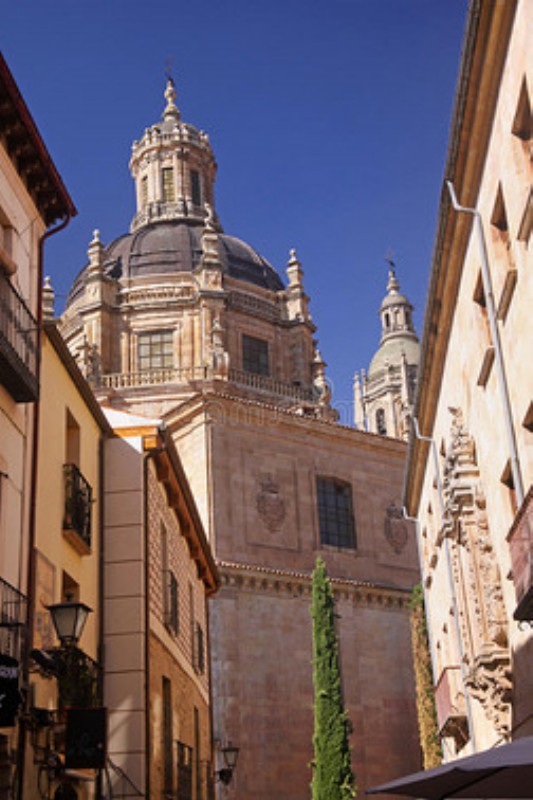
Here’s a photo I took of the City of Arts and Sciences near the campus. The weather in Valencia is truly amazing!
To sum up, studying at a university in Spain is a journey filled with both challenges and opportunities. It pushes you to become more independent, enhances your communication skills, and opens your eyes to a more diverse world. My advice for newcomers is: Don’t be shy—be proactive, ask questions, and make an effort to meet people. Whether in your studies or your personal life, taking the initiative will always open up more doors. If you have any questions, feel free to leave a comment below, and I’ll do my best to answer!
