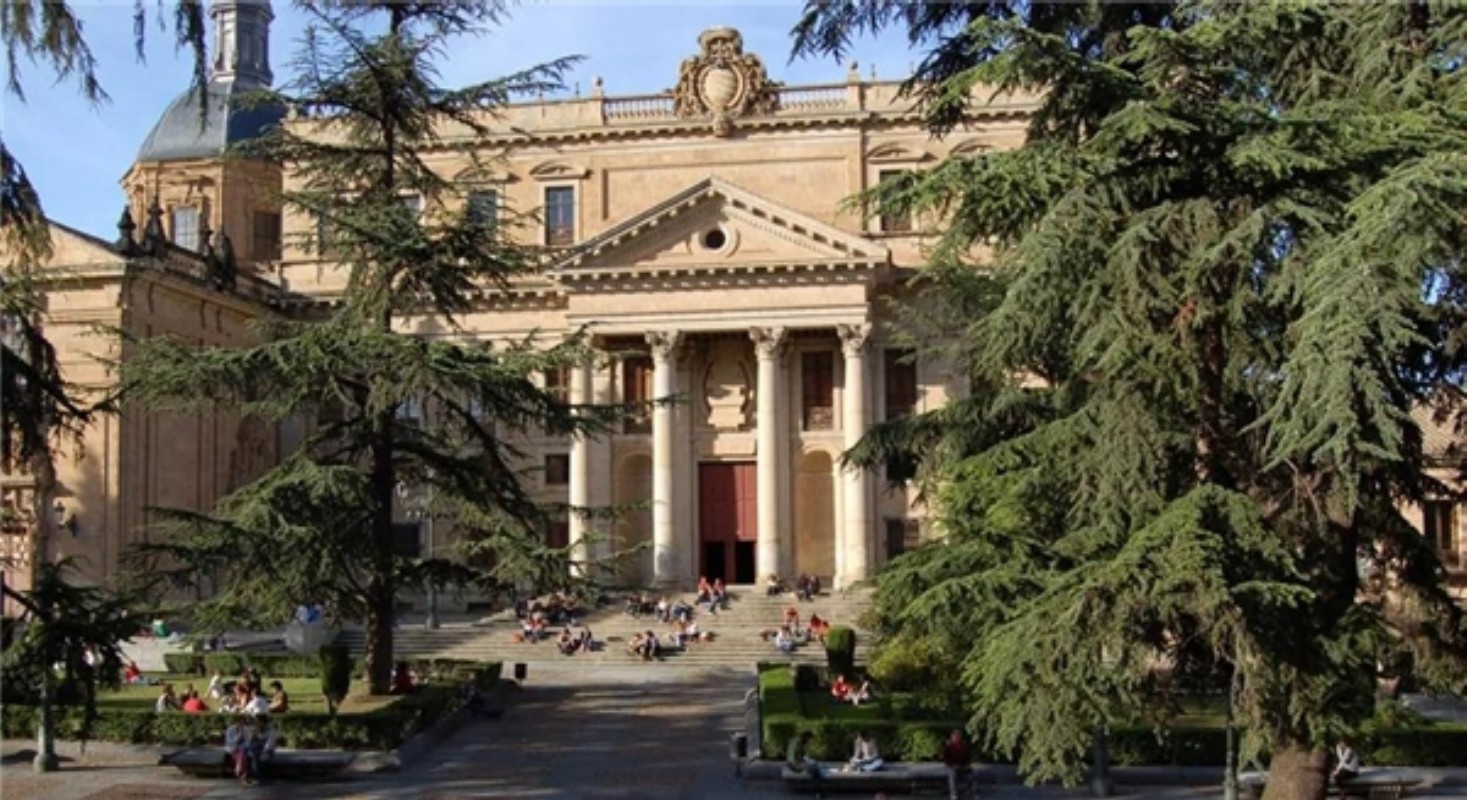
Hello everyone! Lately, I’ve seen many people on the forums asking about the DELE exam, especially the B2 and C1 levels. As a senior student who just made it back from the DELE exam — killed in action I mean, victorious — at the University of Salamanca’s DELE exam center, I want to share my firsthand experience of taking the DELE in Spain and some preparation tips. I hope this helps all of you who are currently battling through it!
Why is the DELE a Must-Have?
Many people think, ’I’m already studying at a university in Spain, my language skills must be fine. Do I really need a certificate?' While there’s some truth to that, the DELE is the official language diploma issued by the Cervantes Institute; it’s valid for life and highly prestigious. Whether you plan to apply for a master’s degree or find a job in Spain, a DELE B2 or C1 certificate is definitely a huge advantage. It’s more than just proof of your language ability; it’s a gateway to truly integrating into Spanish culture.
My Top Study Materials
There are tons of materials out there, but the core of your preparation relies on just a few key books. I strongly recommend Preparación al DELE and El Cronómetro. The former offers very detailed explanations, perfect for building a solid foundation. The latter is a powerhouse for practice drills, with mock exams that closely mirror the difficulty of the actual test. When preparing, your goal should be to master these two sets of books. Of course, regularly reading Spanish news and listening to the radio is also vital for developing your language instinct.
Hard-Earned Lessons for the Four Skills (Listening, Speaking, Reading, Writing)
For reading and listening, there are no shortcuts: it’s all about practice, practice, practice and building your vocabulary. For listening in particular, you must get used to the ‘fast-forward’ speed at which native Spaniards speak. For the writing section, the focus is on structure and connectors! If you build a solid framework for your text and use some advanced linking words, your score will improve instantly. Speaking was the toughest part for me; the examiner really does ask a lot of follow-up questions based on your answers. Don’t just memorize templates; you have to be flexible and express your own ideas. The table below outlines the speaking test process, so you can have a clear idea of what to expect.
| Part | Task Description | Key Skill |
|---|
| Tarea 1 | Presenting your views on a long written text | Read quickly, extract key points, state your opinion clearly |
| Tarea 2 | Describing a picture and conversing with the examiner | Provide rich, logical detail in your description |
| Tarea 3 | Discussing a survey/graph with the examiner | Be familiar with chart-related vocabulary, express personal opinions |
The DELE exam is undoubtedly a tough challenge, but with thorough preparation, passing the DELE for university on your first attempt is definitely achievable. The most important thing is to maintain a calm mindset and see it as a chance to measure how far you’ve come in your Spanish learning journey. ¡Mucho ánimo a todos
! If anyone has other good preparation tips or questions, feel free to share them in the comments below!
