A friend recently asked me what it’s like to study Spanish at the University of Melbourne. As someone with firsthand experience and a bit of insight into Spanish at the University of Melbourne, I have to say, learning Spanish in Melbourne, the cultural capital of the Southern Hemisphere, is a truly unique experience. Not only is there a strong academic atmosphere, but the city’s diversity also provides the perfect environment for language learning.
The Spanish and Latin American Studies program at UniMelb is one of the flagship offerings of the School of Languages and Linguistics. Many of the instructors for the Spanish program at the University of Melbourne are native speakers from Spain or Latin American countries, so they have authentic accents and are very experienced teachers. The curriculum goes far beyond simple phrases like [i]hola[/i] and [i]gracias[/i]; it’s a truly immersive journey into the culture, history, and literature of the entire Spanish-speaking world.
Core Curriculum & Learning Path
The curriculum at UniMelb is very systematic, so whether you’re a complete beginner or already have some knowledge of Spanish, you’ll find a suitable entry point. Each level from beginner to advanced has clear objectives. Based on the official course handbook and advice from senior students, I’ve put together a simple reference path:
| Study Level | Language Focus | Culture/Literature Focus |
|---|
| Beginner | Basic grammar, daily conversation, introductory listening & speaking | Overview of Spanish & Latin American culture, local customs |
| Intermediate | Complex sentence structures, written expression, verb tenses | Specific country cultural studies, Spanish-language film analysis |
| Advanced | Academic writing, advanced conversation, introduction to translation | Modern & contemporary literary works, Latin American socio-political issues |
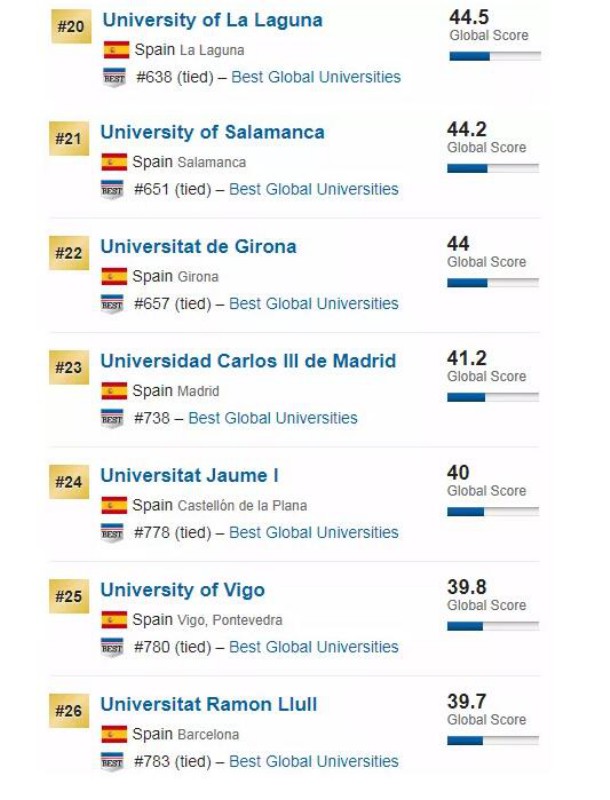
The most exciting part, without a doubt, is the study abroad programs offered by the university! You have the chance to apply for a semester or a full year of study at top institutions like the University of Salamanca in Spain or the Pontifical Catholic University of Chile. This is a golden opportunity to apply what you’ve learned in the classroom to real-life situations, and your language proficiency will definitely improve by leaps and bounds. I have a friend who came back from their exchange with a super authentic Spanish accent—it was so impressive!
Studying Spanish at the University of Melbourne gives you more than just a language skill; it offers a whole new perspective on the world. Of course, the workload can be demanding, and you’ll need to put in a lot of effort outside of class to excel. Are there any current students or alumni from UniMelb here on the forum? Feel free to share your own experiences and add to the discussion in the comments below!
