Lately, many people on the forum have been asking: if they want to study for a bachelor’s or master’s degree at bilingual universities in Spain but are still struggling with a B1 level of Spanish, is it a lost cause? Absolutely not! Many of Spain’s top universities offer programs taught in English or bilingually, which are perfect for international students looking for an alternative path.
I’ve done some research and found that there are quite a few benefits to enrolling in a bilingual program. First, you get to study in an international environment with classmates from all over the world. Second, you can improve both your English and Spanish skills simultaneously, making you highly competitive after graduation, whether you decide to stay in Spain or return to your home country. It’s truly killing two birds with one stone!
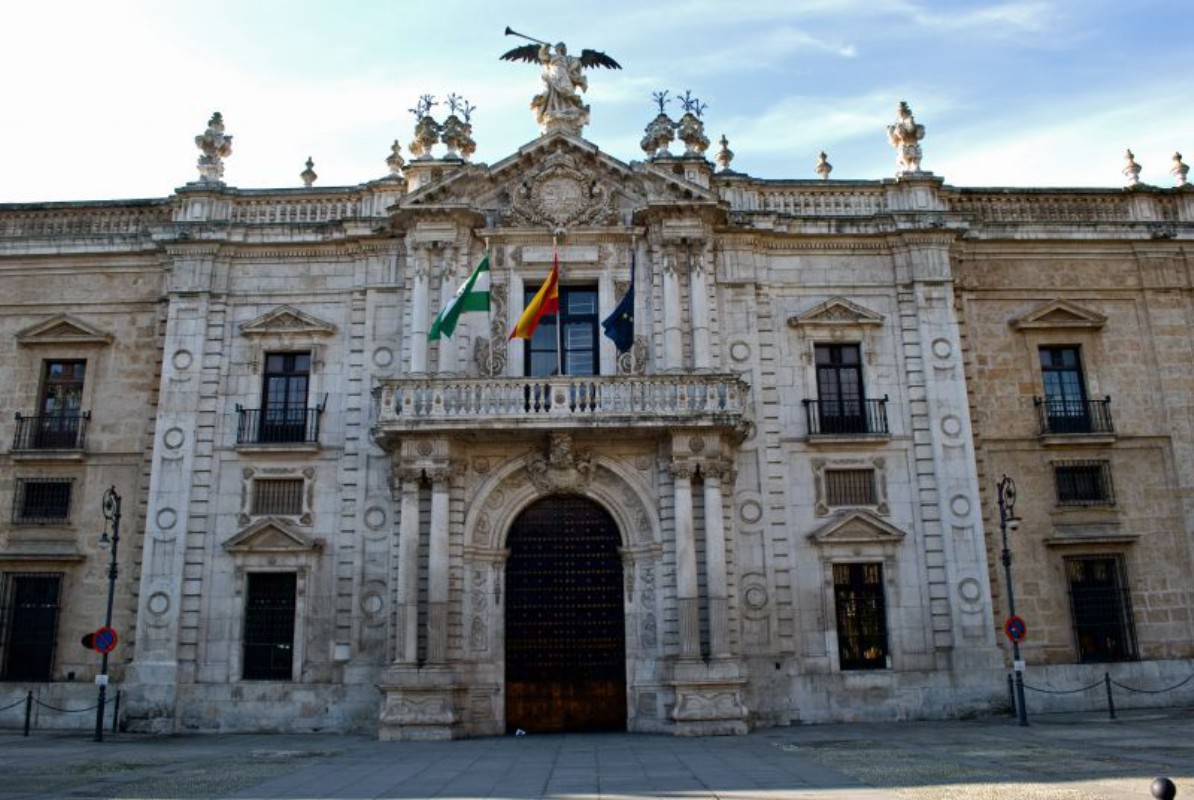
Which Universities Are Worth a Closer Look?
I’ve compiled a list of some well-known institutions, both public and private, for your reference:
| University Name | City | Type | Key Features |
|---|
| Carlos III University of Madrid | Madrid | Public | Strong bilingual programs in Economics, Business, and Engineering |
| Pompeu Fabra University | Barcelona | Public | Highly international in Humanities and Social Sciences, strong research focus |
| IE University | Segovia/Madrid | Private | Top-tier business school, global perspective, higher tuition fees |
| ESADE Business School | Barcelona | Private | Renowned business school on par with IE, focus on practice and innovation |
| University of Navarra | Pamplona | Private | Comprehensive university, well-regarded for Medicine, Communication, etc. |
Some Honest Advice
There are a few pitfalls to watch out for when choosing a university. First, the proportion of English to Spanish courses in so-called ‘bilingual programs’ varies. Some might be taught in English for the first two years and then switch to Spanish for the final two. Always check the course syllabus on the official website carefully. Second, bilingual programs at public universities offer great value for money but are generally more competitive to get into. Private universities often have more resources and better international connections, but the tuition fees… well, you know how it is. There’s no perfect school, only the one that’s the best fit for you.
Language should never be a barrier to studying in Spain. The country offers a diverse range of bilingual university programs in Spain; the key is to plan ahead and gather information. This article is just a starting point. If you know of any other hidden-gem bilingual universities or have application experiences to share, feel free to leave a comment and discuss below
! Let’s exchange information and help each other avoid unnecessary detours!
