Hey everyone! I’ve recently seen a lot of people on the forums asking about language learning, especially students whose Spanish isn’t quite at the required level for a master’s program but who don’t want to enroll in a dedicated language school. Today, I want to talk about an option: language courses offered by private universities in Spain. I took one of these courses as a bridge to my master’s degree and want to share some personal insights that I hope will help you all.
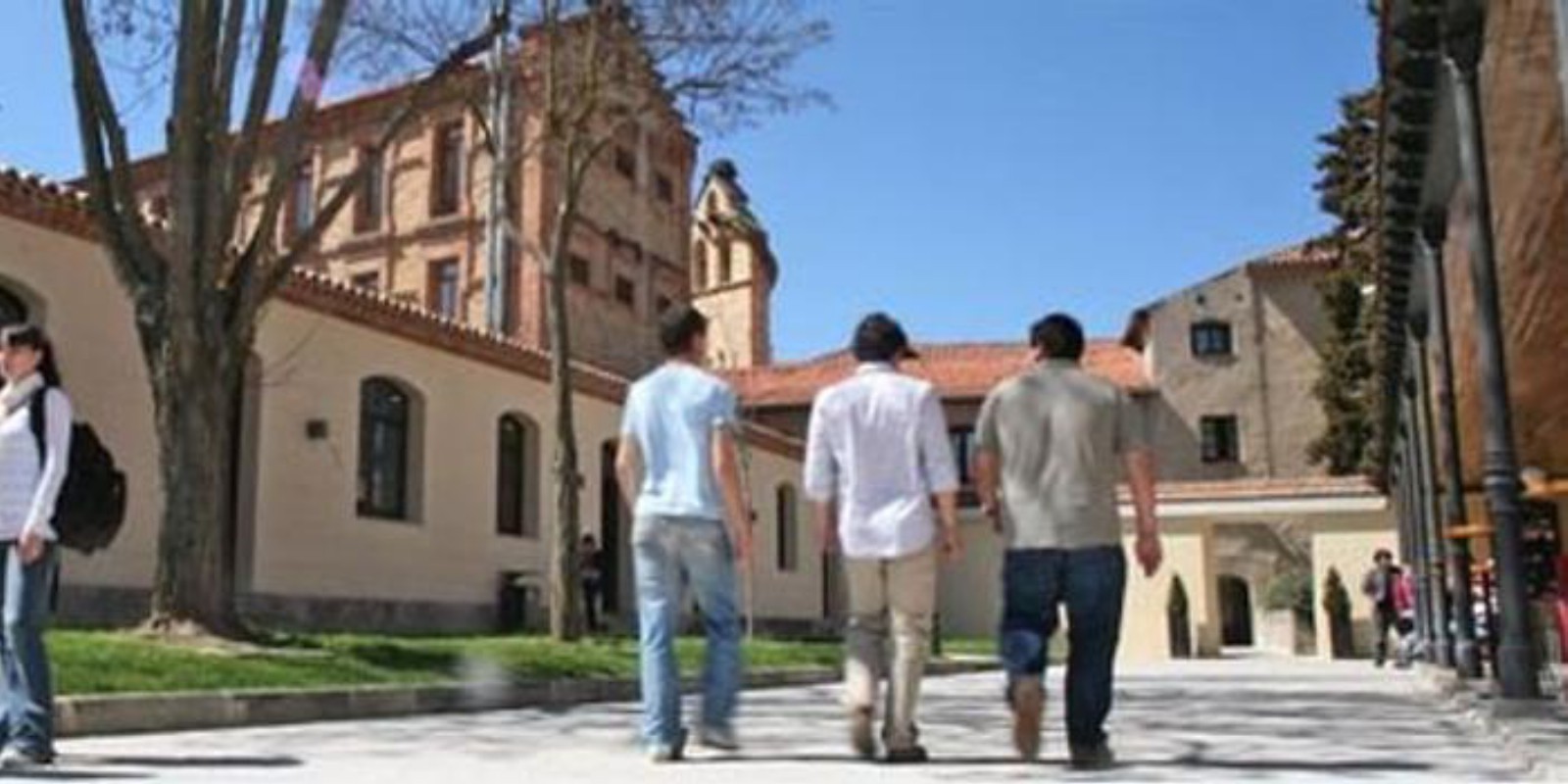
So, are these university language centers a good deal? I think the biggest advantage is getting to experience university life ahead of time. You can use the school’s library, cafeteria, and sports facilities just like a fully enrolled student, and you even get a student ID card. This creates a much richer academic atmosphere. Many of the instructors are also current university faculty, so their teaching methods are more academic, which is great preparation for your future degree courses. Plus, many of these programs are designed to prepare you for the DELE or SIELE exams, making exam prep very convenient.
However, we have to talk about the downsides. First, they’re expensive! The tuition is often significantly higher than at standalone language schools. Second, class sizes can be larger, meaning you might not get the same one-on-one attention as you would in a smaller setting. The start dates are also less flexible, with only a few intakes per year, unlike the rolling admissions at many language schools. And most importantly, don’t fall for this common misconception: attending a university’s language course does not guarantee you a spot in its master’s program! You still have to go through the standard application process; the language course simply helps you meet the language proficiency requirement.
So, how do you choose without making a mistake? I’ve summed up a few key points.
Selection Guide
Key Factors to Consider
- Curriculum: Is it designed for overall language improvement or specifically for DELE exam preparation?
- Faculty: Check if the teachers are certified professionals in teaching Spanish as a foreign language.
- Value for Money: Calculate the cost per hour by dividing the total tuition by the total class hours. Also, see if the fee includes books, materials, and activities.
Here’s a simple comparison table I made about Spanish private universities to make things clearer:
| Comparison Point | Private University Language Center | Regular Language School |
|---|
| Learning Environment | Strong academic atmosphere, excellent facilities | Relatively simple, more social-focused |
| Course Fees | Higher | Generally lower, more options |
| Flexibility | Low, fixed start dates | Very high, weekly enrollment possible |
| Class Size | Can be large | Generally small |
| University Progression | Offers some convenience | Completely separate application |
Language courses at private universities are an option with very clear pros and cons. For those aiming for a master’s degree at a Spanish private university, this can be a particularly good path if you have a sufficient budget, are self-disciplined, and want to adapt to an academic environment in advance. For instance, universities like Nebrija University and Comillas Pontifical University have excellent language centers. However, if your main goal is to rapidly improve your speaking skills in a short period or to find the most cost-effective option, then a specialized external language school might be a better fit. Have any of you taken similar courses? Or do you have any language schools you’d particularly recommend? Feel free to leave a comment and join the discussion!
