Recently, I was chatting with a few friends, and we got onto the perennial tough topic of our children’s education. One particularly hot topic was this: if our children obtain Spanish citizenship, can they then apply to top Chinese universities like Tsinghua as international students? The premise is that the university application requirements for Spanish citizens might allow for an ‘exam-free,’ easy admission. The idea sounds incredibly appealing, almost like a VIP pass to a prestigious university. But is it really that simple? I took some time to look into it and found that the situation is far more complex than it seems.
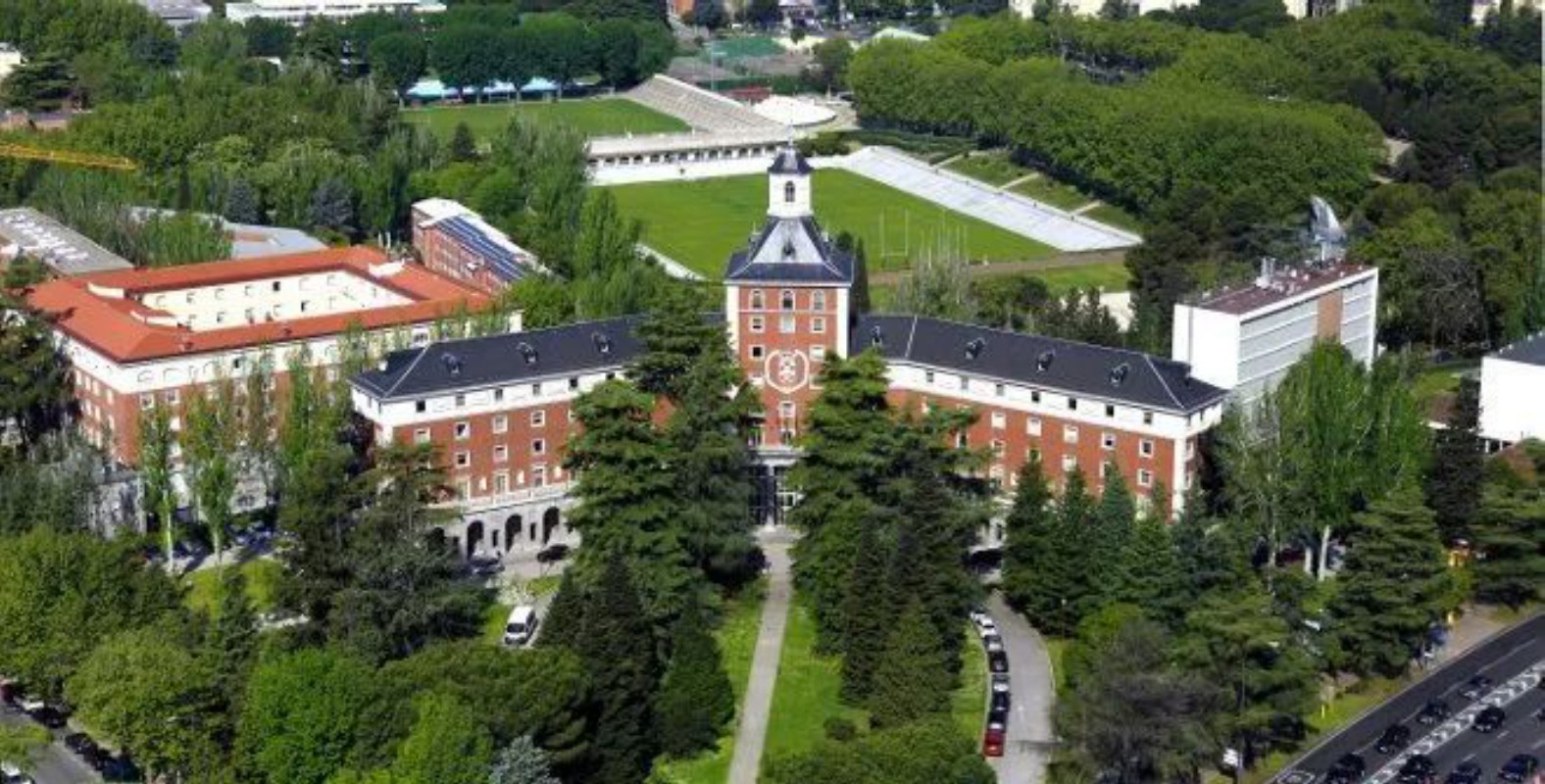
The so-called ‘exam-free’ admission is a huge misunderstanding. To be precise, it spares them from taking China’s national college entrance exam (the Gaokao), but it’s replaced by an ‘application-review’ system specifically for international students. This system is equally rigorous, and competition is becoming fiercer. When admitting international undergraduates, Tsinghua University doesn’t just look for a foreign passport; they assess a student’s overall profile, academic ability, and language proficiency. It’s a big mistake to assume that simply changing one’s nationality is a guaranteed win.
Breakdown of Application Requirements
Nationality and Academic History Requirements
This is the most critical hurdle. According to the regulations from the Ministry of Education and Tsinghua University, applicants must have held a valid foreign passport or proof of nationality for at least 4 years and have a record of residing abroad for at least 2 of the last 4 years. This rule directly disqualifies many families who ‘rush’ to naturalize solely for university admission purposes. Furthermore, if one of the parents holds Chinese citizenship, the situation becomes more complex, and it’s crucial to check the latest official policies carefully.
Language and Academic Proficiency
Language-wise, most liberal arts and business majors require HSK Level 5, while science, engineering, and art majors require Level 4. However, to truly thrive in Tsinghua’s academic environment, a high score on the HSK Level 6 is practically a standard requirement. Academically, applicants need to submit complete high school transcripts and a graduation certificate. Many also submit scores from standardized international tests like the SAT, ACT, or A-Levels to make their application more competitive. While some departments used to conduct written tests, the process now mainly relies on reviewing application materials. However, the comprehensive evaluation stage has very high standards for a student’s logical thinking, communication skills, and breadth of knowledge.
A simple outline of the application process looks like this:
| Step | Main Task | Key Point |
|---|
| 1. Online Application | Submit the application via the Tsinghua University international student admissions website within the specified timeframe. | Ensure all information is accurate and upload materials as required. |
| 2. Application Review | The university conducts an initial screening of application materials. | Focus is on high school grades, HSK scores, recommendation letters, etc. |
| 3. Comprehensive Assessment | Usually consists of an online interview; some majors may have additional tests. | A holistic evaluation of overall abilities, not just rote learning. |
| 4. Admission | Wait for the university to announce the final results and issue the admission notice. | Competition is fierce; admission is granted on a merit basis. |
Applying to Tsinghua with a Spanish passport does offer children a different track from the Gaokao. This path avoids the intense, cut-throat competition of the Gaokao, but it introduces a new set of international standards for a family’s long-term planning, the child’s language skills, and overall qualities. This is by no means a shortcut, but rather a ‘major test’ in a different form. For Chinese families living in Spain, this decision requires careful consideration and early planning, whether it’s for mainland universities or for [applying to Hong Kong universities with a Spanish passport].
What are your thoughts on this? Do you know of any success stories? Or is anyone currently in the process of applying? Feel free to share your experiences in the comments below!
