Hello everyone, I recently helped my younger cousin with her university applications in Spain, focusing on the sunny region of Andalusia. I discovered that its application system is quite different from those in Madrid or Barcelona. We ran into a few pitfalls along the way, but I’ve also gathered some valuable experience. I’m writing this guide to give future students a heads-up and hopefully make your process smoother!
The Core System: Distrito Único Andaluz
All public universities in the Andalusia region, such as the well-known University of Seville, University of Granada, and University of Malaga, use a single, unified application platform called Distrito Único Andaluz (DUA). This means you don’t have to submit separate applications to each university. Instead, you simply list your desired degree programs in order of preference within this one system. It’s incredibly convenient! All admissions and placement adjustments are also managed centrally through this platform.
Key Application Steps
For international students who have completed their secondary education, the first and most crucial step is to use the UNEDasiss system to get your qualifications homologated and your grades converted. This process results in your Credencial de Acceso (University Access Credential). This document is your essential ticket to apply to a university. Once you have this credential, you can log in to the official DUA website to complete your pre-registration during the designated period. The entire process is done online; just follow the instructions on the website. But be sure to submit everything before the deadlines! The process might differ from applying to universities in the Madrid region.
| Phase | Approximate Dates | Key Points |
|---|
| Ordinary Phase | Late June - Early July | The majority of spots are offered in this phase |
| First Adjudication | Mid-July | Results are published; you must confirm your spot or appeal within the deadline |
| Subsequent Adjudications | Late July - September | If not admitted or if you decline an offer, you are automatically considered in later rounds |
| Extraordinary Phase | Late September | For programs with remaining vacancies after the ordinary phase |
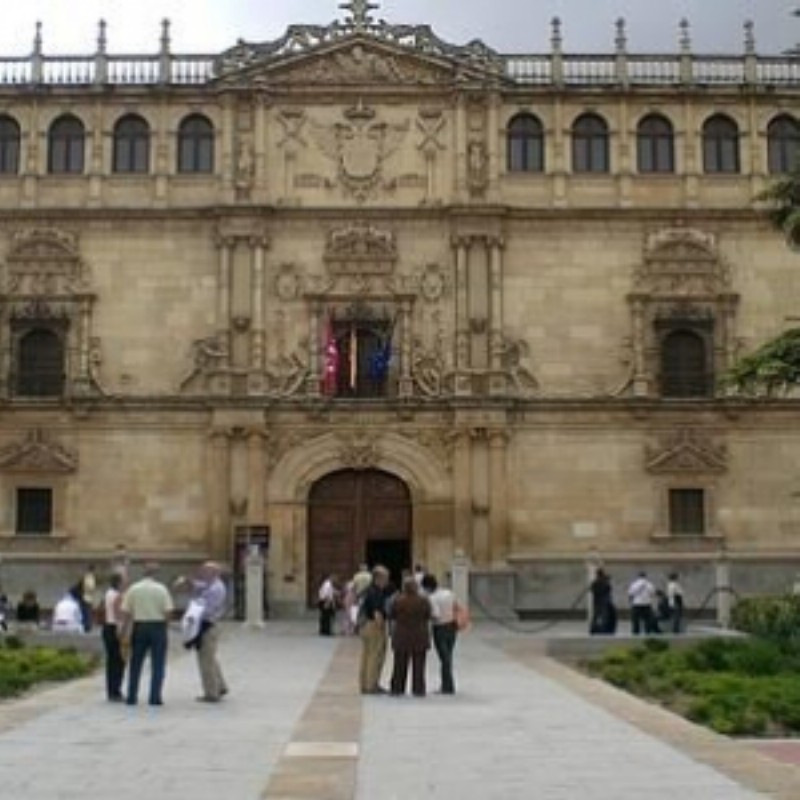
When choosing universities, it’s crucial to check the previous years’ admission scores (notas de corte), as this directly impacts your chances of getting in. The official DUA website publishes detailed data each year. Additionally, the cost of living in Andalusia is relatively low compared to other major Spanish cities, and it’s known for its sunny weather and warm, friendly people. For instance, the University of Seville (pictured above) and the historic University of Granada are excellent choices that offer both a great academic atmosphere and a wonderful city environment. If your grades are high enough, they are highly recommended! You can also explore a broader list of universities in different Spanish regions to see all your options.
The application process isn’t overly complicated, but each step is interconnected. The key is to never miss a single deadline! I hope this post helps you all. If you have any questions, feel free to leave a comment below, and I’ll do my best to answer. Good luck, and I hope you all get an offer from your dream university!
