When I first arrived in Spain, I’d see the deceptively simple yet ubiquitous name Pan con Tomate on every menu, from tapa bars to cafés. At first, I thought, ’It’s just bread with some tomato, how good can it be?' Boy, was I wrong! This dish is one of the very souls of Spanish cuisine. It’s the most comforting way to kickstart your day, especially for breakfast.
Pan con Tomate: A Masterpiece of Simplicity
Its full name is Pan con Tomate, and in the Catalonia region, it’s called Pa amb tomàquet, which simply means ‘bread with tomato’. Don’t let its simplicity fool you. To the Spanish, this dish is as fundamental as bacon and eggs or a morning coffee and croissant might be to others. It’s not just a dish; it’s a way of life—a testament to creating the purest flavors from the freshest, simplest ingredients.
The Holy Trinity: Bread, Tomato, and Olive Oil
To make the perfect pan con tomate, the choice of ingredients is absolutely crucial.
- Bread : The best choice is a rustic country loaf or ciabatta with a crispy crust and an airy, hole-filled interior. The key is that it must be toasted to a perfect crunch and be able to hold the tomato juice.
- Tomatoes : Not just any tomato will do! The most authentic choice is the Spanish “tomàquet de penjar” (hanging tomatoes). These have thin skin, fleshy pulp, are incredibly juicy, and possess the perfect balance of sweetness and acidity, making them ideal for rubbing on bread. If you can’t find them, opt for very ripe, juicy small tomatoes.
- Olive Oil : It has to be extra virgin olive oil! Its unique fruity aroma and slightly peppery finish are what make the dish truly special. Don’t skimp on this!
Follow Me: The Authentic 5-Step Method
The traditional method is a ritual in itself—it’s not just about spreading tomato puree on bread.
- Cut the bread into thick slices and toast them in an oven or a pan until golden and crispy on both sides.
- While the bread is still hot, take a halved clove of garlic and gently rub it over the surface to add a hint of pungent flavor.
- Cut a small tomato in half and vigorously rub the cut side against the rough surface of the bread until it has absorbed all the juice and pulp, leaving you with just the tomato skin.
- Generously drizzle with extra virgin olive oil.
- Finish with a sprinkle of sea salt. Done!
For convenience, many people now use a grater to make a tomato pulp before spreading it. Both methods have their pros and cons:
| Method | Pros | Cons |
|---|
| Traditional Rubbing | Flavor integrates better with the bread, clean texture, has a ritualistic feel | Uses more tomatoes, requires a specific type of tomato |
| Modern Grating | Quick and easy, high tomato yield, suitable for any tomato | Texture is wetter and can make the bread soggy faster, a bit like when serving juicy toppings such as Spanish Garlic Shrimp. |
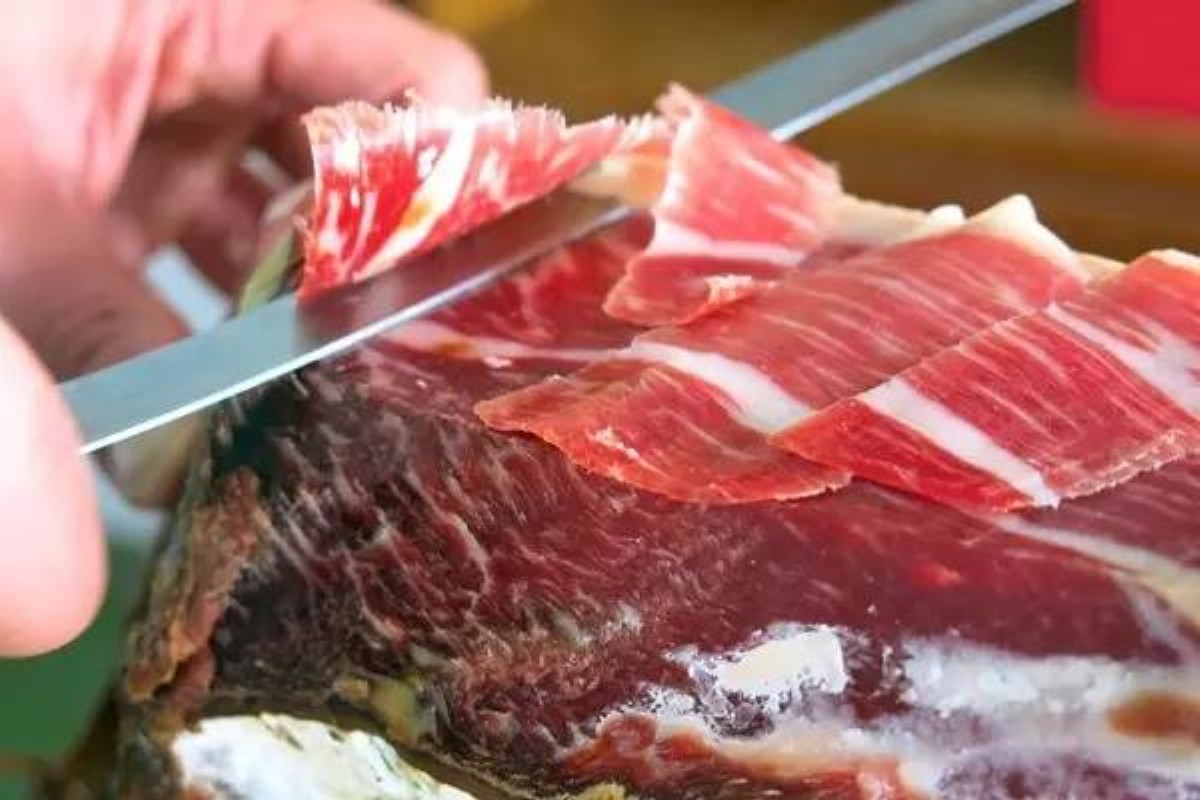
This dish is incredibly versatile. It’s a breakfast classic, perfect with a café con leche. It also works wonderfully as a Tapa, topped with a slice of jamón or an anchovy for a flavor that’s out of this world! I sometimes see people write Anchoas (plural), but if you’re only adding one to your Spanish tomato bread, the singular form, Anchoa, is actually more correct. How do you usually make your Pan con Tomate? Do you have any secret tips, or where have you eaten the most unforgettable one? Share your thoughts in the comments section!
