Lately, I’ve seen more and more questions about studying abroad on the forums. It reminds me of how lost I was when I applied to universities, so I decided to start this thread to share some personal experiences. Hopefully, it can help future students. This post will mainly focus on choosing a Spanish university and things to keep in mind during the application process. These are just my personal views, so feel free to discuss and add your own insights!
Public vs. Private Universities: How to Choose?
This is probably the first question everyone faces. To put it simply, public universities often have a long history, lower tuition fees, a strong academic atmosphere, and generally higher overall rankings. The downsides can be that administrative processes might be a bit slow—a common topic for students in a Master’s in Communication at a Spanish University—and facilities can be older. Private universities are the opposite: modern facilities, excellent student services, strong ties with companies offering plenty of internship opportunities, but with significantly higher tuition fees. The choice really depends on your personal budget and goals; there’s no absolute right or wrong answer.
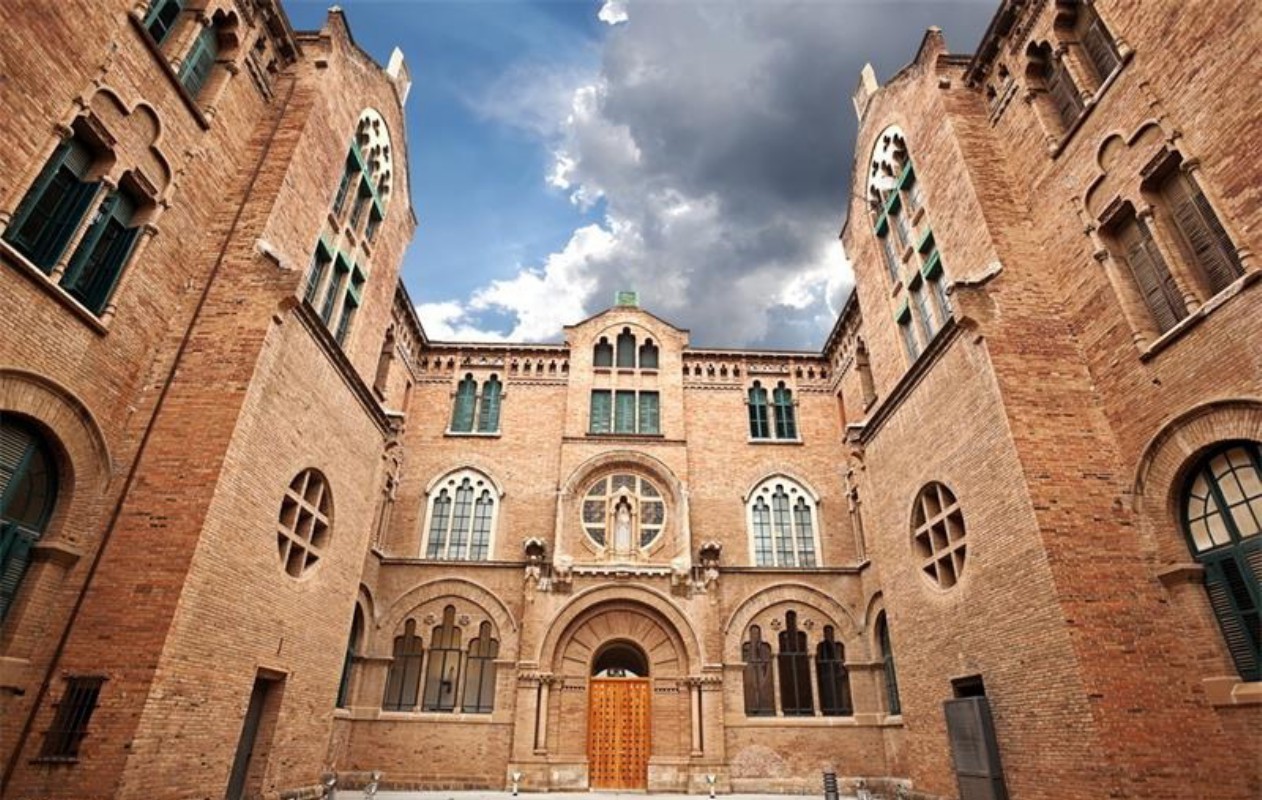
Once you’ve decided on the type of university, the next step is choosing a major. Spain is globally renowned for its programs in business, architecture and design, tourism management, and the arts. For instance, the business schools at ESADE and IE, or the architecture program at the Polytechnic University of Madrid (UPM), are top-tier. However, don’t just chase popular majors; consider your own interests and career plans. Regarding language, most undergraduate programs are taught in Spanish, so a B2 level DELE or SIELE certificate is a basic requirement for anyone considering studying at a Spanish university for journalism and communication. And don’t think you can get through an undergraduate degree with just knowing ‘Hola’
!
Application Materials Overview
The application process itself isn’t overly complex, but preparing the documents can be tedious and requires patience and attention to detail. The core documents required can vary slightly depending on your academic background. I’ve created a simple table for your reference:
| Application Material | High School Graduates (Non-EU)
| University Students/Graduates |
|—————————|————————————————|——————————————-|
| Academic Credentials | High School Diploma & National Exam Scores | Proof of Enrollment or Diploma/Degree |
| Language Proficiency | DELE/SIELE B2 or higher | DELE/SIELE B2 or higher |
| Key Documents | Personal Statement, Letter of Motivation | Course Syllabi, University Transcripts |
| Other | Passport, visa-related documents | Passport, visa-related documents |
Spain offers a huge variety of universities. From the sunshine of Andalusia to the art of Catalonia, there’s a place for everyone. The most important thing is to plan ahead, master the language, and prepare all your documents thoroughly. I hope everyone gets into their dream university! ¡Mucha suerte a todos
!
