Hey everyone! Just arrived in Spain and feeling a mix of excitement and confusion about university life? As someone who has experience with the basics of Spanish university exams, I’ve put together some practical tips from my own journey. I hope this helps all the new students out there avoid common pitfalls and settle into the academic and social life in Spain more quickly!
Academics: It’s a Whole New Ball Game
Course Selection & Credits
Spanish universities use the European Credit Transfer and Accumulation System (ECTS). Typically, you need to complete 60 credits per academic year for an undergraduate degree. Choosing your courses is a strategic task, as each class has different credit values and difficulty levels. A key thing to know is that Spanish universities offer a second chance for exams, known as the segunda convocatoria. So, don’t be too discouraged if you don’t pass an exam the first time; you can seize the resit opportunity before the summer break! However, be mindful of the failure rates in certain majors. Paying attention in class and participating actively is the best way to succeed.
Classes & Exams
Unlike the system many are used to where a single final exam determines your whole grade, Spanish universities emphasize ‘continuous assessment’ (evaluación continua). This means your attendance, class participation, group projects, and quizzes all contribute to your final score. This is one of the key common questions about Spanish university life, so don’t even think about skipping classes—every single contribution matters. The final exam is still crucial, of course, but the points you accumulate throughout the semester can make a huge difference.
Lifestyle: It’s More Than Just Studying
Beyond academics, experiencing the local culture is a vital part of studying abroad. University life in Spain is incredibly vibrant, so don’t just lock yourself in the library. Mingle with local students, and you’ll discover a whole new world. Grabbing a caña (a small beer) and some tapas with classmates is the most authentic way to socialize!
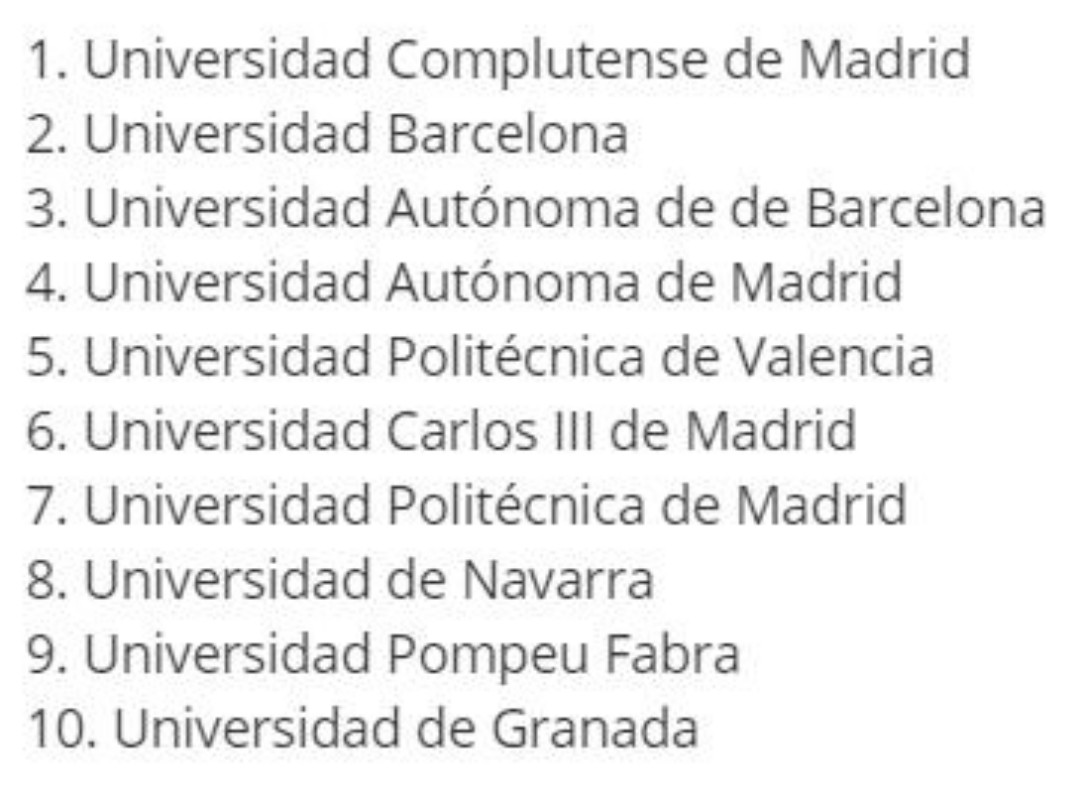
Living costs are also a major topic, and they vary greatly between cities. Here’s a simple comparison to give you a general idea:
| Expense Item | Madrid/Barcelona | Salamanca/Granada |
|---|
| Student Dorm/Shared Flat | €400-€600/month | €250-€400/month |
| Food/Groceries | €200-€300/month | €150-€250/month |
| Monthly Transport Pass | €20 | Walking or €15 |
| Social/Entertainment | €100-€200/month | €80-€150/month |
Don’t forget to get a student ID card—it offers discounts at museums, on public transport, and even at some fast-food chains! I hope you find this information useful. If you have any other questions or experiences to share, feel free to leave a comment below! May you pass every single course and never fail an exam
! Haha, just kidding. Wishing you all the best in your studies and a wonderful time in Spain!
