Hello everyone, I’ve noticed quite a few discussions on the forums lately about pursuing a PhD in Europe, but Spain doesn’t seem to come up much. Many people might think you need to be perfectly fluent in Spanish, but that’s not actually the case! As someone who’s been through it, I want to talk about applying for fully English-taught PhD programs in Spain today, helping to clear up some common misconceptions for anyone interested in PhD applications at Spanish universities.
Honestly, choosing Spain for a PhD offers incredible value for money. Firstly, the quality of doctoral education here is very competitive in Europe, especially in specific fields like biomedicine, energy, and the humanities. Secondly, compared to the UK, the US, or Northern Europe, the cost of living and public university tuition fees are much more affordable. Plus, with the sun, food, and rich culture, the lifestyle experience outside of your studies is just fantastic! The idea that a PhD is all about miserably grinding out papers simply doesn’t apply here.
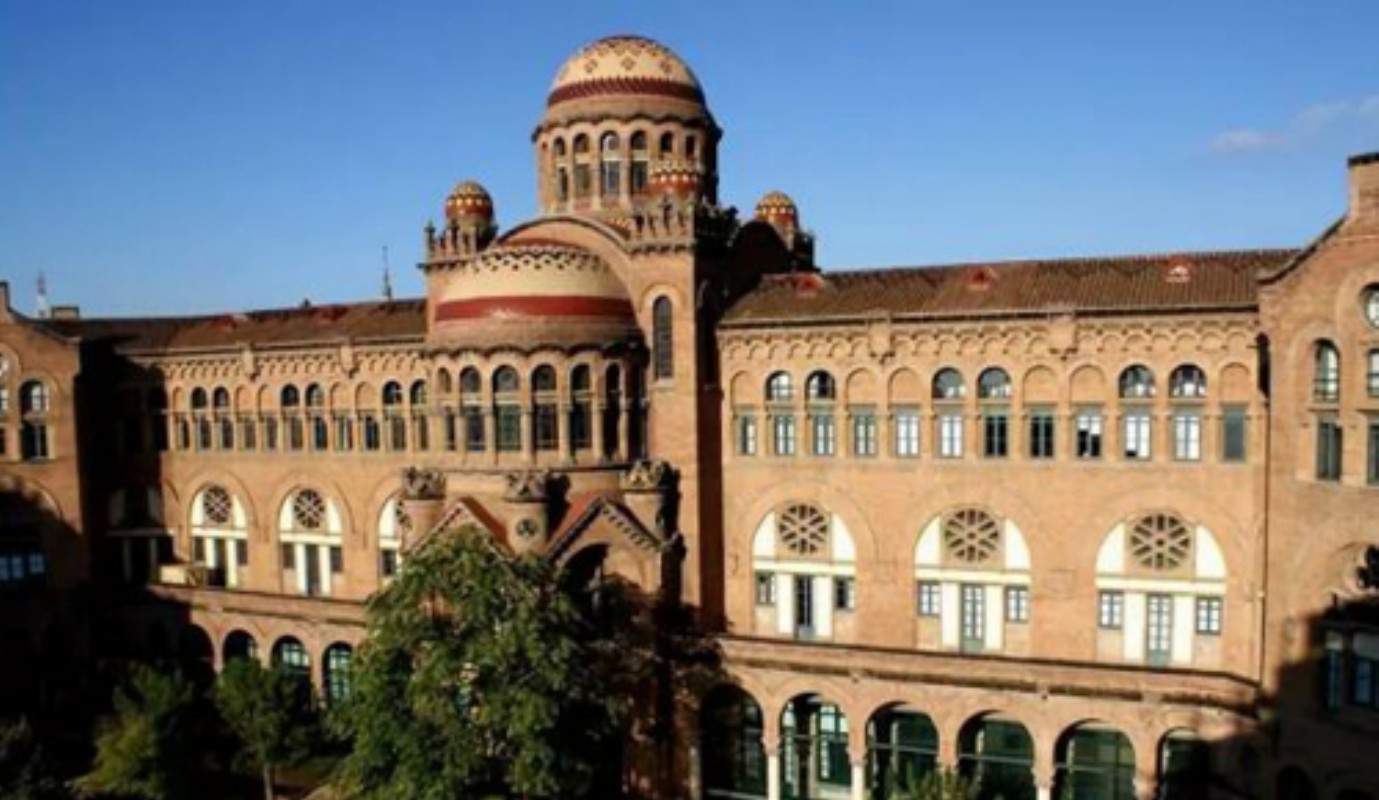
Which Universities Offer Noteworthy English PhD Programs?
Essentially, most English-taught PhD programs are concentrated in a few top public universities, particularly in the Madrid and Barcelona regions. These institutions are highly international, and many professors are from all over the world, making English the primary working language. I’ve put together a few examples to give you a clearer idea:
| University | Strengths | City |
|---|
| Autonomous University of Barcelona (UAB) | Economics, Veterinary Science, Translation Studies | Barcelona |
| Pompeu Fabra University (UPF) | Biomedicine, Political Science, Communication | Barcelona |
| Complutense University of Madrid (UCM) | Humanities, Pharmacy, Art History | Madrid |
| Charles III University of Madrid (UC3M) | Engineering, Business, Law | Madrid |
What’s Special About the Application Materials?
The application process is similar to most other countries, revolving around the usual documents: a Master’s degree certificate, transcripts, language proficiency scores, a CV, letters of recommendation, and most importantly—the research proposal. You must put a lot of effort into your RP; it’s the core document that showcases your research abilities and ideas to potential supervisors. Often, both admission and scholarship decisions heavily depend on the quality of your research proposal. I highly recommend contacting your desired supervisor in advance to discuss your research direction. Getting their approval before formally submitting your application will significantly increase your chances.
Finally, let’s talk about the financial side. In Spain, a PhD position is often considered a job, and many programs come with a scholarship or contract that covers living expenses. Besides the university’s own scholarships, you can also look into the Spanish government’s FPU/FPI scholarships and the EU’s Marie Skłodowska-Curie Actions, which are all highly prestigious. Even without a scholarship, the annual tuition fee for a PhD at a public university is only a few hundred euros, so the financial pressure is low.
I hope this information helps everyone! For fellow PhDs and current applicants passing by, please feel free to share your stories and experiences in the comments below!
