The Hidden Costs of Sliced Packaging
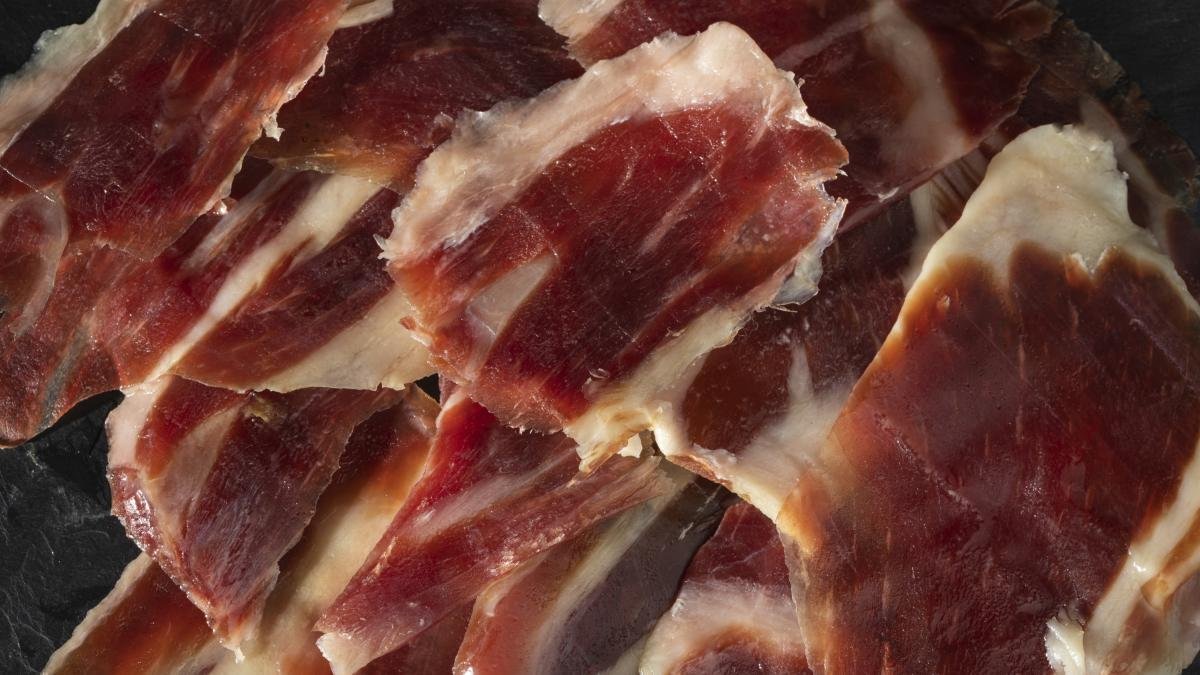
In its latest report, the Spanish Organization of Consumers and Users (OCU) highlights a significant price gap between pre-packaged sliced ham and a whole leg. Many consumers, opting for ready-to-eat convenience, are unaware of this difference. The report quantifies that choosing sliced packaged Iberian ham can increase the final cost by up to 50%.
The OCU explains that this premium primarily stems from the costs associated with the extra slicing, processing, and vacuum-sealing procedures. In some extreme cases, the price per kilogram for the same sliced ham can be nearly double that of a whole leg.
True Edible Yield and Cost Analysis of a Whole Leg
When buying a whole leg of ham, consumers need to consider its usable yield. The report’s data shows that for a complete hind leg (Jamón), the net weight of the edible portion is about 50% of the total weight. For a front leg (Paleta or shoulder ham), the edible yield is around 40%, with the remainder being bone and excess fat that needs to be removed.
Despite this, a cost analysis shows that buying a whole leg is still the more economical option. The OCU advises that if ham consumption is high during the holiday season, the value-for-money advantage of a whole leg becomes even more apparent. Even if consumers opt to have a whole leg professionally sliced and packaged at a specialty shop, the total cost is usually still lower than buying the same weight of pre-packaged sliced products directly.
Official Classification System and Consumer Tips
The report reiterates the official classification system for Iberian ham, where the price is primarily determined by the pig’s breed, how it was raised, and its diet:
- White Label (Cebo): From pigs raised on farms and fed with grain-based feed. This is the most basic and affordable grade.
- Green Label (Cebo de Campo): Pigs are primarily fed with fodder but are raised free-range in the countryside, supplementing their diet with natural grasses.
- Red/Black Label (Bellota): The highest grade, from pigs that roam freely in oak forests (dehesas) and feed primarily on acorns (bellotas). The black label specifically designates 100% purebred Iberian pigs.
The OCU specifically warns that the price difference is most extreme for the top-tier ‘100% Ibérico de Bellota’ (black label) ham, where it’s not uncommon for the price per kilogram of sliced ham to be more than double that of a whole leg. Furthermore, many sliced products do not include the colored plastic tag (brida) on their packaging, which is used to differentiate the grades, making it difficult for consumers to compare and identify the product’s true quality.
