Emergency Services Overwhelmed, Patients Left in Hallways
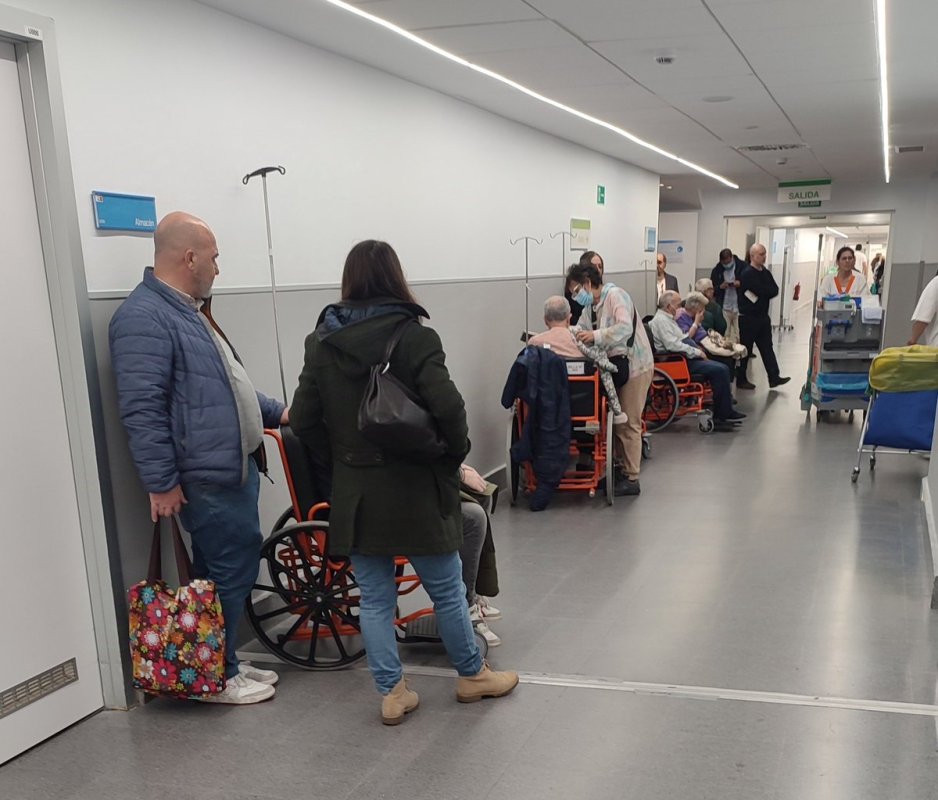
With the surge in cases of flu, COVID-19, and other respiratory infections, Spain’s national healthcare system has come under immense pressure in recent weeks. According to a warning issued by the trade union CSIF, emergency departments in many hospitals are saturated, forcing patients to be left in hallways, on stretchers, or in temporary beds. In some areas, ER waiting times commonly exceed 10 hours, with some patients waiting up to three days (72 hours) for a proper hospital bed.
Staff Shortages Exacerbate the Crisis, Losing 44,000 in Three Months
A root cause of this crisis is a severe shortage of healthcare professionals. According to national Social Security data, Spain’s health system has lost over 44,000 professional positions since September of this year, including doctors, nurses, and support staff. The staff shortage has directly led to the cancellation or postponement of numerous non-urgent surgeries and diagnostic tests. Appointment wait times for primary care have also widely extended to over two weeks, causing significant inconvenience for patients.
Healthcare Resources Strained Across Autonomous Communities
Multiple autonomous communities across Spain have reported strained medical services. In Madrid, pressure on weekend emergency services has doubled, with “waiting 10 hours” becoming the norm. Hospitals in Andalusia report that some patients have to wait 14 hours in hallways before being admitted to a ward. Furthermore, appointments with family doctors in Castile-La Mancha require a 15-day wait; the HUCA hospital in Asturias set a single-day record with 511 emergency cases; and the primary care systems in Catalonia and Galicia are also under immense strain.
Flu Epidemic Spreads, Sector Calls for Urgent Action
According to monitoring data from the National Health Research Institute, the current influenza infection rate has reached 40.1 cases per 100,000 people, exceeding the epidemiological threshold. The CSIF union suggests that a more contagious variant may be accelerating transmission and has recommended reinstating mask-wearing in medical centers. Facing the worsening situation, healthcare organizations nationwide are collectively urging the government to take immediate action, including restoring staffing levels, publishing real-time hospital capacity data, and developing a unified winter emergency response plan to prevent the crisis from escalating further.
