What is the IPC Rent Adjustment Clause?
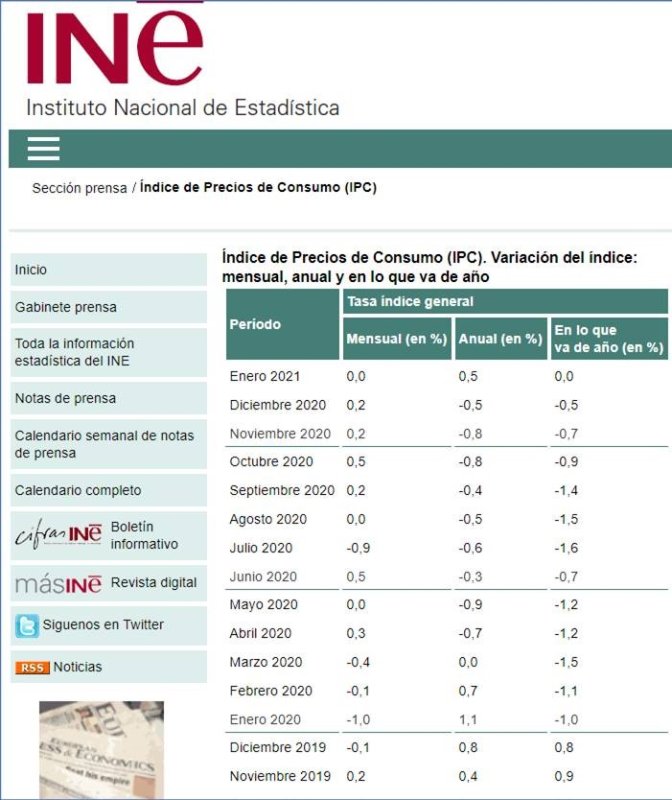
In the Spanish rental market, whether for commercial properties or private homes, lease agreements commonly include an annual rent update clause based on the IPC. IPC is the acronym for the Spanish “Índice de Precios al Consumo,” which means “Consumer Price Index.” This index is a key measure of inflation, reflecting the change in the price level of consumer goods and services purchased by households over a certain period.
When this clause is included in a contract, it means the landlord has the right, after the first year of the contract, to increase the rent according to the official IPC variation rate published over the past twelve months. This ensures the purchasing power of the rental income does not diminish due to inflation.
Residential Leases: The Evolution from IPC to IRAV
It is important to note that, according to the latest legal practices, the reference index used to update residential lease rents has changed. Although its function is similar to the IPC, the index now specifically for residential rentals is called the IRAV (Índice de Actualización de Rentas de Vivienda, or Housing Rent Update Index).
Despite the different name, its core function remains the same: to provide an official, standardized reference for the annual adjustment of housing rent. Therefore, residential tenants might see IRAV instead of IPC as the benchmark for rent updates in their contracts.
Why is This Clause Considered Reasonable?
From both a legal and market perspective, linking rent to an inflation index is considered a reasonable practice. Its main purpose is to protect the landlord’s interests by preventing the real value of a fixed rent from declining year after year due to general price increases in a long-term lease. Typically, Spain’s annual inflation rate (the IPC increase) hovers around 2%. Therefore, the resulting rent increase is generally within an acceptable range for tenants and does not create an excessive financial burden. This mechanism provides both parties with a relatively fair and predictable way to adjust the rent.
Analysis of the Practical Impact on Tenants
Although the clause has its justifications, for tenants, its most direct impact is the annual increase in rental costs. As long as the inflation rate is positive, tenants will have to pay higher rent the following year. While a single increase may not be large, the cumulative amount over the entire lease term can become a significant expense.
Consequently, for tenants seeking long-term, stable rent, this clause is undoubtedly a disadvantage. Before signing a contract, tenants should fully understand the implications of this clause. If conditions permit, attempting to negotiate with the landlord during the rental negotiation phase to either remove the clause or set a cap on the annual increase is an effective strategy to protect one’s own interests.
