EU Finance Ministers Reach New Tariff Agreement
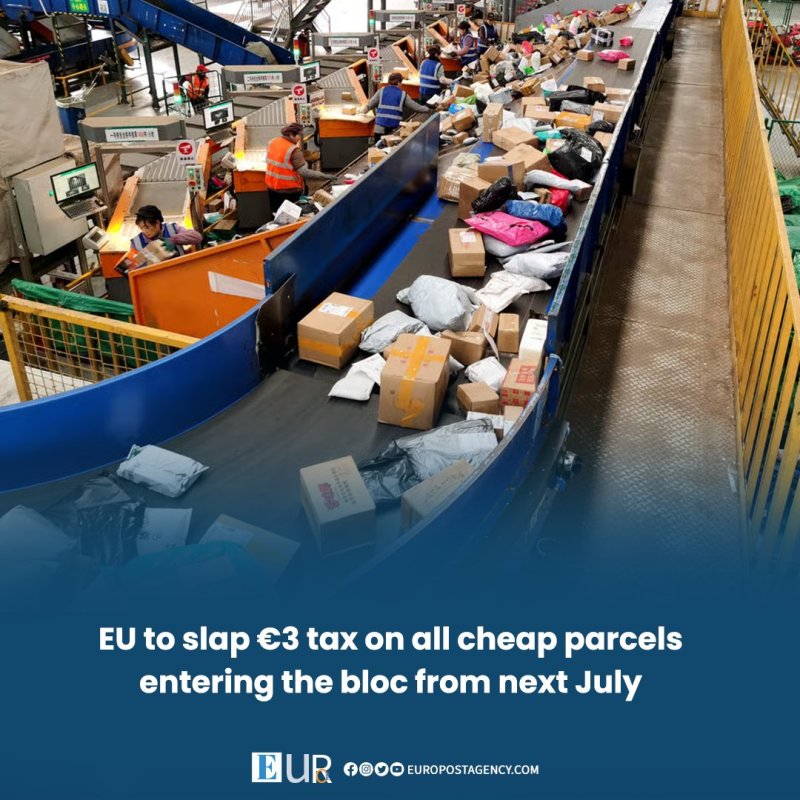
According to an announcement from the European Union on December 12, 2025, finance ministers of the member states have reached a consensus to introduce a new tariff measure. This measure stipulates that all low-value small parcels entering the EU customs union, regardless of their country of origin, will be subject to a fixed tax of €3. An EU spokesperson confirmed the agreement, stating it is part of the EU’s customs reform aimed at creating a more level playing field for local businesses.
Policy Background and Effective Date
This new policy comes amidst significant challenges facing the EU’s e-commerce market. Previously, imported parcels valued under €150 were exempt from customs duties, a loophole believed to have caused a massive influx of cheap goods from non-EU countries, particularly China. The EU had already reached an agreement a month ago to abolish this tax-free threshold. The proposed €3 ‘small parcel tax’ is a temporary solution, set to be implemented on July 1, 2026, and will remain in effect until the EU establishes permanent regulations for import taxes on these goods.
Countering the Impact of E-commerce Platforms
In recent years, with the rise of e-commerce platforms such as Shein, Temu, and AliExpress, the number of small parcels entering the EU has surged. Official data reveals that last year alone, a staggering 4.6 billion such parcels entered the EU market, with 91% originating from China. The EU expects this figure to continue to rise. European retailers generally argue that these overseas platforms exploit existing tax loopholes and fail to adequately comply with EU product safety and legal standards, resulting in unfair competition that undermines local businesses.
Goals and Outlook of the New Policy
The core objective of this uniform fee is to protect local retailers and manufacturers, allowing them to compete on a more level playing field with low-cost overseas e-commerce platforms. Additionally, the move aims to simplify customs management and improve administrative efficiency. By levying a fixed fee on the massive volume of small parcels, the EU can not only increase its fiscal revenue but also better track and manage incoming goods to ensure they meet EU standards. The ultimate effectiveness of the policy and its concrete impact on consumers and e-commerce platforms remain to be seen.
