Overview of Spain’s November Inflation Data
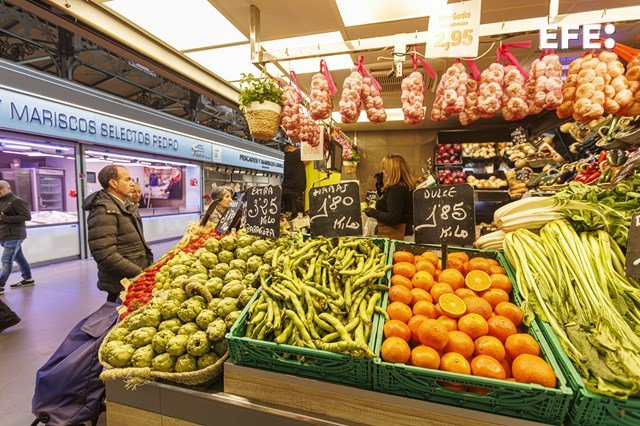
According to the latest data, Spain’s overall inflation rate for November 2025 stabilized at 3%. However, behind this figure lies a significant price divergence across different product categories. On one hand, clothing and footwear saw a 4% month-on-month increase due to seasonal factors, while rising fuel costs also pushed transportation expenses up by 0.5%. On the other hand, some commodity prices have fallen, with olive oil prices dropping by a substantial 38.1% year-on-year. Sugar, audiovisual equipment, and international flights also recorded varying degrees of price decreases.
Significant Price Hikes in Basic Foodstuffs
Compared to the overall inflation rate, the price increases for basic food items consumed daily by the public are particularly striking. Data reveals that the price of eggs has soared by 30% over the past year, partly because a previous VAT reduction policy has been discontinued. Beef prices have similarly risen by 18%, although this item was never included in the tax reduction scope. Additionally, other core food prices are on an upward trend: milk prices continued to climb in 2025, reaching €0.492 per liter in November, a 9.7% increase since mid-year; cheese prices have also accumulated a 7.6% rise since January of this year.
Tax Cut Proposal Rejected by Congress
To address rising food prices, a tax amendment promoted by the People’s Party (PP) and passed by the Senate was rejected this week by the Bureau of the Congress. The proposal aimed to reduce the Value-Added Tax (VAT) rate on meat, fish, and canned goods to 4% starting January 1, 2026, and apply a zero VAT rate to basic foods such as milk, cheese, eggs, fruits, vegetables, and legumes. The government explained that the rejection was based on fiscal considerations. It is estimated that this measure would lead to an annual reduction in state tax revenue of approximately €3.78 billion, placing significant pressure on the national budget.
Social Reaction and Political Outlook
The government’s decision has drawn criticism from consumer organizations, who argue that the authorities have failed to take sufficient measures to stabilize basic food prices and protect public purchasing power during a period of high inflation. In response, the Ministry of Finance emphasized that policymaking requires a prudent balance between supporting public welfare and maintaining fiscal sustainability. As deliberations on the 2025 national budget enter a critical phase, food prices and tax policies are expected to remain a focal point of political debate in Spain. Effectively tackling structural inflation will be a persistent challenge for the Sánchez government.
