Christmas Budget Breakdown: Gifts and Lottery Remain Core Expenses
As Christmas lights switch on and markets open across Spain, the holiday spending season officially kicks off. A survey report from Spain’s Organization of Consumers and Users (OCU) indicates that the average Christmas budget for a Spanish household in 2025 is €796, an increase of nearly €100 from the same period last year.
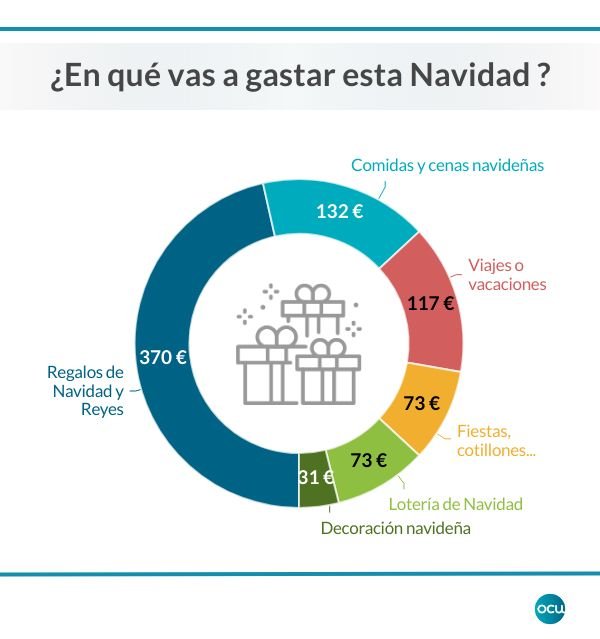
Among all expenses, gift shopping remains the largest item, with the average household planning to spend €370, accounting for nearly half of the total budget. Notably, the budget for gifts for “Three Kings’ Day” (Reyes Magos) is slightly higher than for Christmas Eve. Traditional holiday dining is also a significant expense, with the estimated per-person cost for family dinners and New Year’s Eve parties at €132 and €73, respectively. Additionally, purchasing tickets for the “Sorteo Extraordinario de Navidad” (Special Christmas Lottery Draw), a national tradition, is expected to cost an average of €73 per person. The budget for home decorations is comparatively smaller, at around €31.
Consumer Psychology Insights: Overspending Expectations and Shopping Stress Coexist
The survey data reveals the complex consumer psychology of the Spanish public. Despite the increased budget, 52% of respondents believe their final actual spending will exceed their plans. Meanwhile, about four in ten consumers admit that choosing gifts for friends and family causes them considerable stress. To address this, the OCU advises consumers to create a shopping list in advance, check return and exchange policies, and try to shop during off-peak hours to enjoy a more relaxed shopping experience.
Furthermore, spending strategies are diversifying. 29% of people plan to postpone some of their purchases until the January sales season to find better prices.
Shopping Channel Preferences: A Clear Trend Towards Online and Offline Integration
When it comes to choosing shopping channels, Spanish consumers are demonstrating a hybrid model that combines online and offline methods. Data shows that 37% of consumers prefer to do most of their shopping on online platforms, while 29% favor the traditional shopping experience of physical stores. The remaining third of respondents indicate they will flexibly switch between the two channels depending on the product type and convenience, reflecting the integrated trend of consumer habits in the new retail era.
Holiday Activity Plans: A Full Return to Traditional Celebrations
After several unique years, the Spanish public’s anticipation for traditional holiday activities has significantly increased. Family gatherings remain the absolute heart of the holidays, with a high of 84% of respondents planning to spend the festive season with friends and relatives they do not live with. Besides family meals, enthusiasm for participating in public celebrations is also running high. The proportion of people planning to visit Christmas markets (70%), watch the “Cabalgata de Reyes” (Three Kings’ Parade) (61%), and admire the city’s Christmas lights (55%) all exceed 50%, signaling the arrival of a vibrant and traditional Christmas season.
