The Madrid City Council announced on December 13, 2025, a revision of the current Sustainable Mobility Ordinance to address urban traffic and environmental challenges. This reform covers two main areas: vehicle access permits and urban parking management.
One-Year Grace Period for Non-Compliant Vehicles
Under the new draft regulation, vehicles registered in Madrid that do not have an environmental sticker will receive an additional one-year grace period for driving on city streets. The original effective date of the ban has been postponed, allowing these vehicles to continue operating until December 31, 2026.
Regulated Parking Fee Hours May Be Extended
Another major focus of this ordinance amendment is the adjustment to the Regulated Parking Service (SER). The draft proposes authorizing the City Council’s governing board to extend the current paid periods in specific areas with ‘high parking demand’.
This means the current rules—free parking after 21:00 on weekdays (non-holidays), after 15:00 on Saturdays, and all day on Sundays and public holidays—could change. In the future, the City Council may, depending on the situation, decide to extend paid hours beyond 21:00 on weekdays and potentially charge for parking on Saturday afternoons, Sundays, and even public holidays. The Madrid City Council’s Department of Urban Planning, Environment, and Mobility stated that this measure aims to ‘improve traffic organization, protect public health, and enhance air quality’.
SER Service Area to Be Significantly Expanded
In addition to time adjustments, the geographical scope of SER will also be significantly expanded. The Madrid City Council plans to introduce the service to two new districts: Puente de Vallecas and Moratalaz. This will increase the total number of districts covered by SER from 13 to 15, encompassing 22 neighborhoods, 17 of which are new additions.
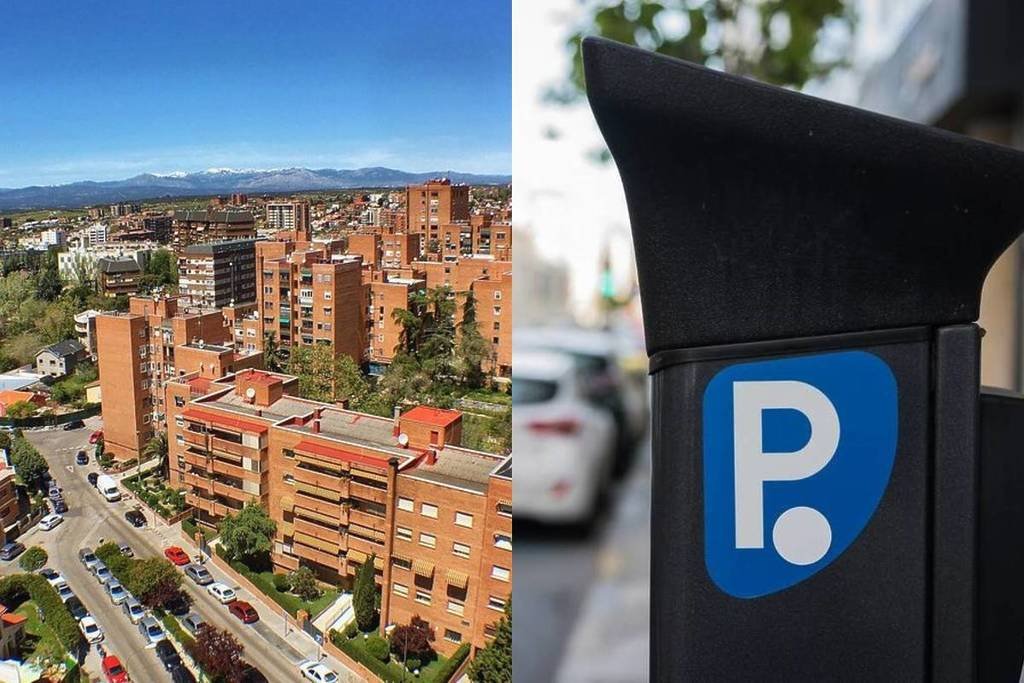
Over 66,000 New Spaces to Be Added in Phases
To support the service expansion, Madrid plans to add 66,120 new regulated parking spaces, increasing the city’s total number of SER spaces from the current 181,493 to 258,985—a 42.7% increase. The City Council emphasizes that the new spaces will prioritize residents’ right to use them.
The expansion plan will be implemented in stages and ’will always be subject to the prior agreement of the district’s governing boards, following consultation with residents and relevant associations.' The specific timeline is as follows:
- Phase 1: Add 11,372 parking spaces before December 31, 2029.
- Phase 2: Complete the installation of the remaining spaces before December 31, 2035, to finally achieve the goal of 66,120 new spaces.
