Champions League Stage: Traditional Powerhouses Losing Their Luster
This season, five La Liga teams initially competed in the Champions League group stage, but their results have been largely underwhelming so far. In the standings, Real Madrid and Atlético Madrid both have 12 points, ranking 7th and 8th respectively. To secure a direct spot in the knockout stage and avoid the grueling playoffs, they must go all out for wins in the final two rounds. Barcelona’s situation is even more dire, with only 10 points, placing them 15th with almost no room for error.
Diverging Fortunes: Expected Struggles and Surprising Slumps
As for the other teams, Athletic Bilbao, after a home draw against Paris Saint-Germain, sits in 28th place with 5 points. While their hopes of advancing are slim, their performance is largely in line with their expected strength. The real disappointment is Villarreal. After a home loss to Copenhagen, the team has only 1 point, ranking second to last, and is essentially out of this season’s Champions League. The slump of the “Yellow Submarine” is a major reason for La Liga’s overall poor showing in the Champions League this season.
Overall Predicament: Competitive Gap Widens Amidst Regulatory Reflection
From a league-wide competitive standpoint, La Liga teams have a record of 1 win and 8 losses against Premier League teams in the Champions League this season, a significant gap. This reflects that La Liga has fallen behind the Premier League in terms of match intensity and squad depth, and holds no clear advantage over Serie A or the Bundesliga. Analysts suggest that La Liga’s long-standing salary cap and Financial Fair Play policies may no longer be fully suited to the competitive demands of top-tier events in the current European football landscape, warranting a re-evaluation by the league.
A Glimmer of Youth: Sweeping Success in the UEFA Youth League
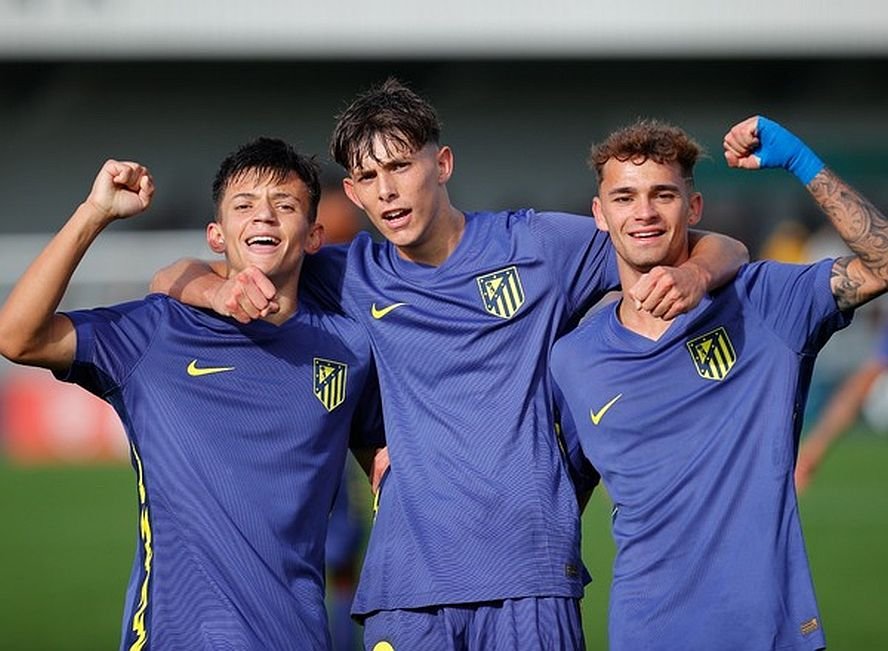
In stark contrast to the collective struggles of the senior teams, La Liga’s youth squads are storming the UEFA Youth League. All six participating teams (including Real Betis U19, who qualified through playoffs) have successfully advanced to the next stage. Among them, five teams rank between 4th and 8th in the league phase standings, demonstrating outstanding overall competitiveness. This achievement directly proves that the Spanish youth development system remains robust, with no talent pipeline breakdown. The problem seems to lie not in talent cultivation itself, but in how the senior level retains and utilizes these young talents within the existing structure, environment, and resource allocation.
