Men’s Football: Early Glory and a Long Wait
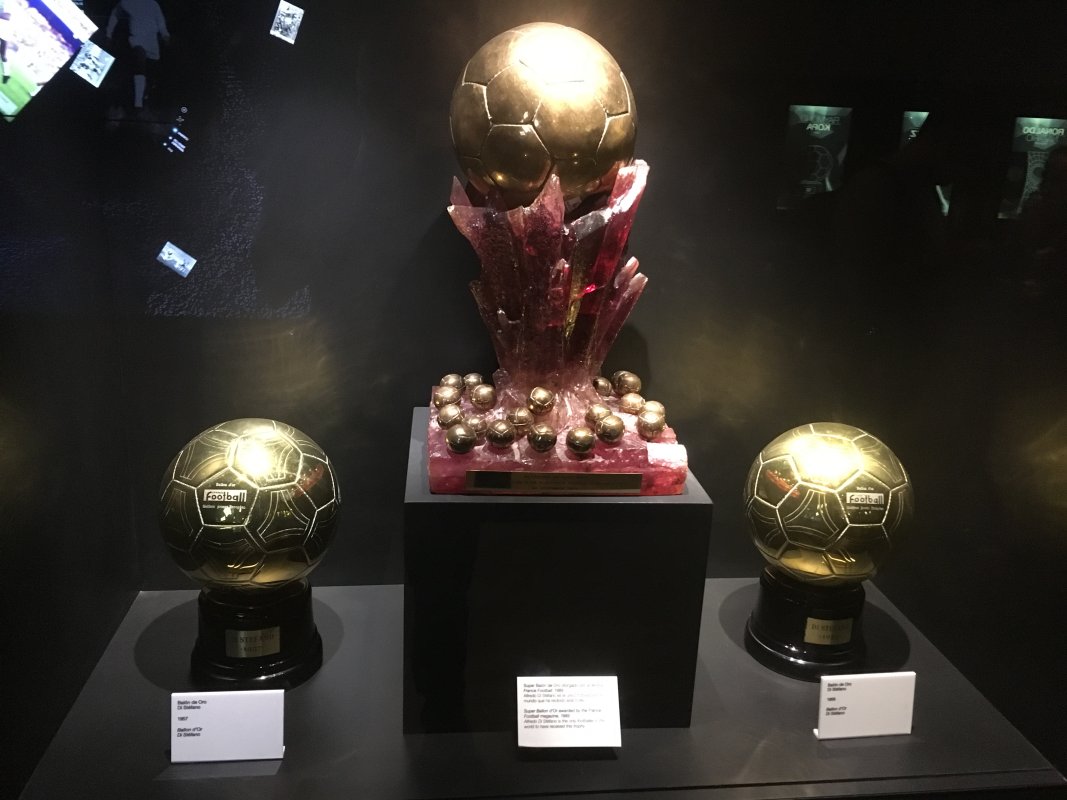
Spain’s history with the Ballon d’Or began in the mid-20th century. Naturalized player Alfredo Di Stéfano, thanks to his outstanding performances with Real Madrid, won the award twice in 1957 and 1959. Although he was born in Argentina, he had acquired Spanish citizenship and played for the national team. Since the Ballon d’Or was initially restricted to European players, these two awards are officially credited to Spain.
Shortly after, the legendary Spanish-born midfielder Luis Suárez Miramontes won the award in 1960, becoming the first native-born Spanish player to achieve this honor. However, after Suárez, Spanish men’s football endured a 64-year Ballon d’Or drought. During this period, world-class midfield maestros like Xavi and Iniesta emerged, but they all narrowly missed out on this highest individual accolade.
A New Era’s Breakthrough: Rodri Ends the Drought
It wasn’t until 2024 that Manchester City’s midfield anchor, Rodri, claimed the men’s Ballon d’Or for his consistently outstanding performances for both club and country. His victory not only ended the 64-year wait for Spanish men’s football but is also seen as a continuation and triumph of Spain’s midfield legacy in a new era.
The “Spanish Dynasty” in Women’s Football
In stark contrast to the men’s winding history, Spain’s women’s team has demonstrated immense dominance in recent years. Since the Ballon d’Or Féminin was established in 2018, Spanish players have quickly taken center stage. Barcelona’s midfield star, Alexia Putellas, won back-to-back awards in 2021 and 2022, ushering in a golden era for Spanish women’s football.
Following her, teammate Aitana Bonmatí took up the mantle, winning the award for three consecutive years in 2023, 2024, and 2025, setting a record for the first-ever three-peat in the history of the Ballon d’Or Féminin. These five trophies, all won within a short five-year span, signify that Spanish women’s football has become the undisputed dominant force in the world game.
