Spanish Prime Minister Pedro Sánchez announced a major new national transport policy during his year-end summary, which the government plans to approve in the final Council of Ministers meeting of 2024. The core of this policy is the creation of a single, nationwide monthly transport pass aimed at reducing travel costs for residents and further promoting the use of public transportation.
Brand-New Nationwide Monthly Transport Pass Plan
According to the plan, Spain will introduce a new monthly transport pass. Adults will pay €60 per month for unlimited travel on national public buses, medium-distance trains (Media Distancia), and commuter trains (Cercanías). For young people under the age of 26, the pass will be half-price at just €30 per month.
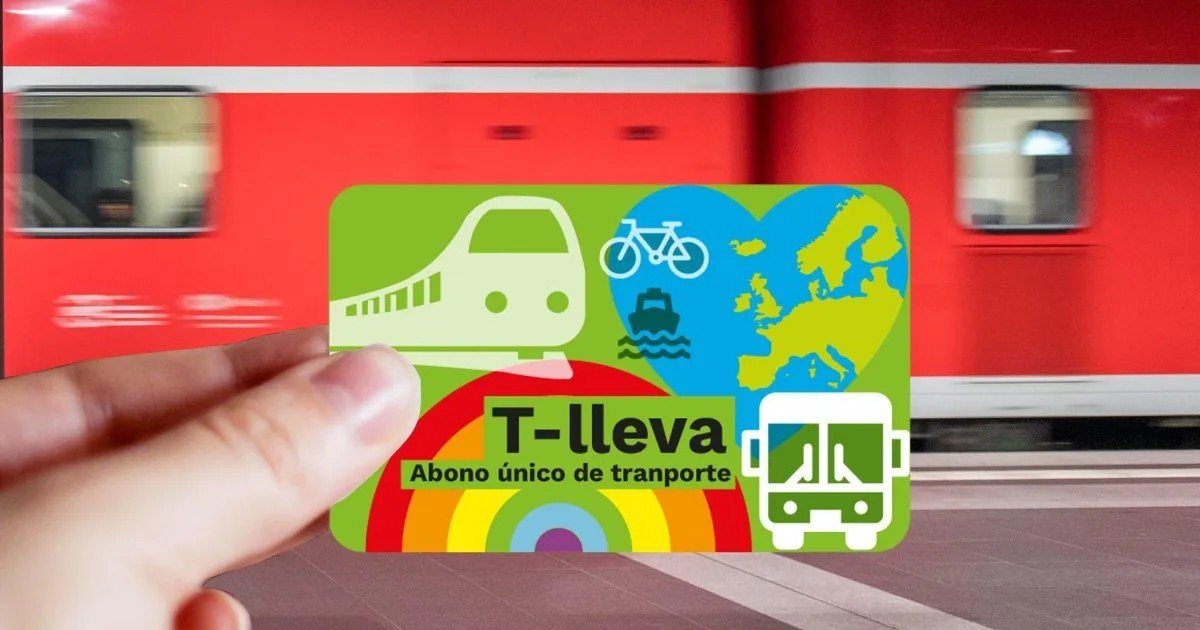
After approval by the Council of Ministers, the policy is expected to officially take effect in mid-to-late January 2025. The government estimates that for residents who commute between cities within the same autonomous community daily, the new pass will help them save up to 60% on transport costs. For now, this national pass does not include local city buses or metro lines.
Extension and Expansion of Existing Subsidies
While introducing the new monthly pass, the Spanish government will also extend a series of existing transport subsidy measures until June 2026. Specifically, this includes:
- Trains and Buses: The current free travel policies (primarily for frequent travelers with seasonal or monthly passes) for commuter trains (Cercanías), Rodalies trains in the Catalonia region, conventional medium-distance trains, and state-run bus routes will be extended.
- Urban Transport: The government will continue to subsidize half of the discounts on urban and metropolitan public transport tickets.
- Regional Benefits: Commuter trains in Cantabria and Asturias, as well as public land transport in the Canary Islands, will remain free of charge.
- New Additions: For the first time, the plan will include public bike-sharing services in the subsidy scheme, offering a 50% discount.
Policy Background and Legislative Challenges
Prime Minister Sánchez stated that the public transport subsidies implemented since the cost of living crisis have “permanently changed how Spaniards understand and use public transport,” and the government hopes to continue this positive trend by solidifying these measures. Minister of Transport, Óscar Puente, had also revealed that his goal is to achieve a more comprehensive unified transport card system by early 2026.
This series of policies is planned to be implemented quickly through a Royal Decree-Law (Real Decreto-ley), which takes effect immediately after cabinet approval. However, the decree must still be validated by a vote in the Congress of Deputies within one month to remain in force. Sánchez acknowledged that securing sufficient parliamentary support is currently challenging due to the political landscape, but he pledged to work hard to pass this beneficial public policy, along with other proposals like pension increases.
