The Cost of the Christmas Table Rises Significantly
According to the November Consumer Price Index (CPI) data released in December by Spain’s National Institute of Statistics (INE), the prices of many food items essential for Christmas celebrations have been on a continuous rise over the past 11 months. Among all products, the year-on-year price increase for eggs stands out, hitting 30%.
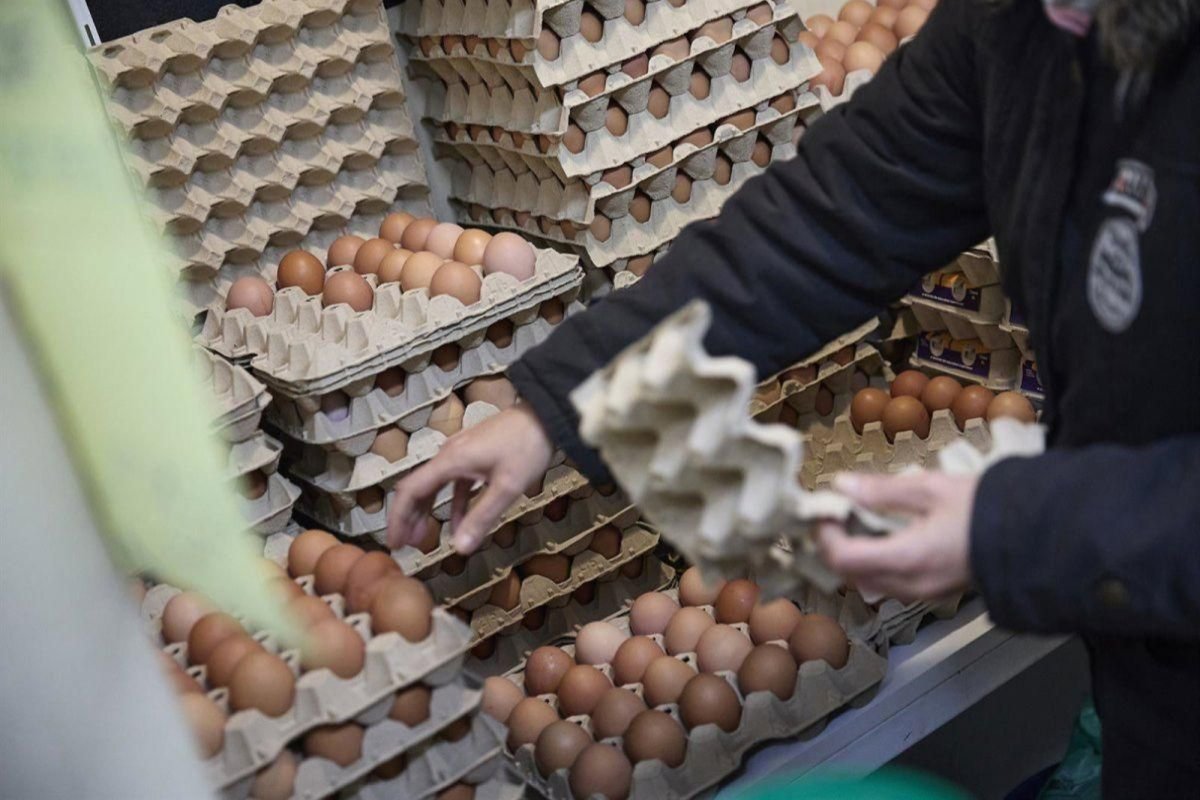
Other popular holiday foods haven’t been spared either. Beef prices have risen by 18%, coffee by 17.3%, while chocolate and cocoa powder have seen increases of 14.5% and 12.4% respectively. Furthermore, categories such as fresh or chilled fruit (+9.1%), nuts and dried fruits (+6.8%), and frozen fish (+7%) have also experienced noticeable price hikes, putting direct financial strain on families planning their Christmas feasts.
Price Drops for Some Products and Market Dynamics
Amid the general trend of price increases, a few products have seen their prices fall. Data shows that the prices of sugar (-5.3%), potatoes (-2.6%), and baby food (-1.8%) have decreased compared to the same period last year.
Olive oil is a particularly interesting case. While its price has fallen sharply by 32.3% year-on-year, this long-term decline may be reversing. Data shows a month-on-month rebound of 2.6% over the last two months, signaling a potential return to an upward price trend.
Global Factors and Inflation Structure Analysis
The price fluctuations of specific commodities are deeply influenced by global market factors. For example, the surge in coffee prices is mainly due to reduced production caused by droughts and frosts in major producing regions, geopolitical conflicts affecting supply chain stability, and growing demand from emerging markets. Meanwhile, although chocolate prices remain high, this year’s increase has slowed compared to last year.
On a macroeconomic level, Spain’s overall price level saw a cumulative increase of 2.6% in the first 11 months of the year, with the current inflation rate at 3%, approaching the European Central Bank’s control target of 2%. Although falling electricity prices have somewhat eased inflationary pressures, the report points out that nearly 70% of the contribution to inflation comes from the hotel and restaurant industry and housing-related expenditures. For ordinary households, the structural rise in the prices of basic foodstuffs has become a significant burden on the cost of living.
