Legal Security for Taxpayers Hits Rock Bottom
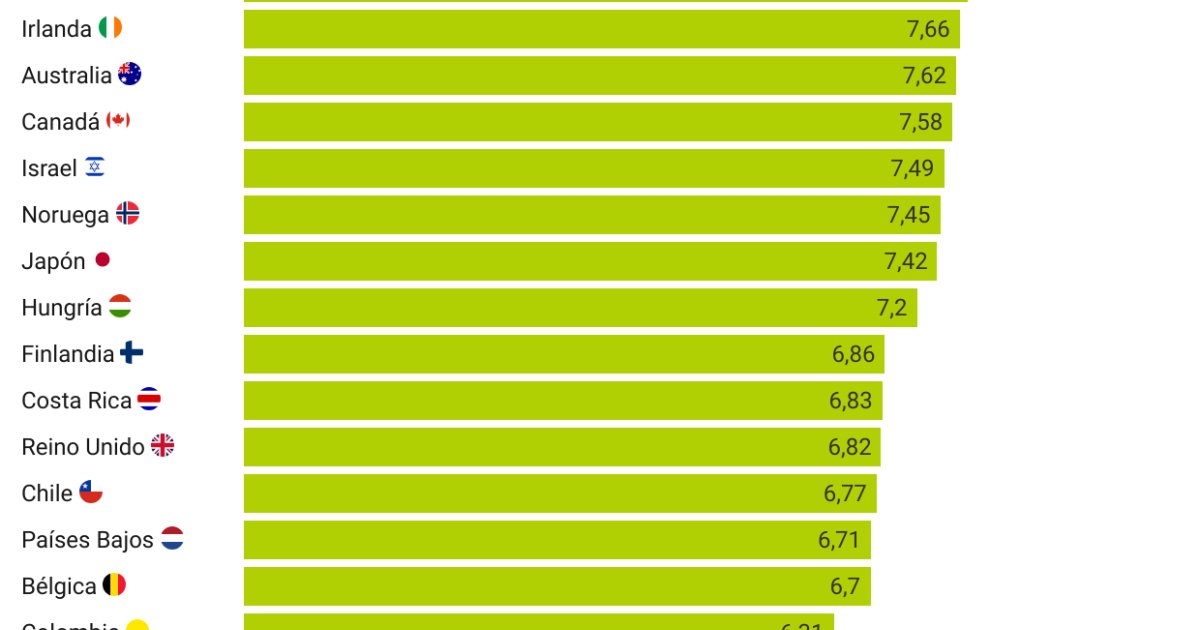
According to a study of Organisation for Economic Co-operation and Development (OECD) member states, Spain ranks second to last on the ‘legal certainty for taxpayers’ index with a score of 5.47 out of 10, ahead of only Greece. This outcome highlights structural issues within the nation’s tax system concerning stability, predictability, and mechanisms for judicial redress, creating immense uncertainty for taxpayers.
“Stealth” Tax Hikes and Frequent Policy Changes
The report identifies the core issues as a rapid increase in Spain’s tax burden and regulatory ambiguity. The current administration has made nearly 100 changes to tax and social security laws. A key issue is the failure to adjust personal income tax (IRPF) brackets for inflation, resulting in a “stealth tax” that has brought the government over €35 billion in additional revenue. This approach not only increases the real burden on taxpayers but also erodes the stability of the tax code.
Aggressive Audits and High Costs of Legal Recourse
Spain’s Tax Agency is noted for its “aggressive” audit approach, with an inspection intensity four times that of Italy’s and eight times that of the UK’s. Over the last ten years, over 2 million claims were filed with tax tribunals, with approximately 877,000 ultimately decided against the tax authority. Taxpayers have a success rate of nearly 50% in personal income tax cases, and this figure surpasses 60% for wealth and inheritance taxes. This suggests that incorrect tax assessments are common, unfairly transferring risk and costs to the taxpayer.
Economic Consequences: A Significant Drop in Foreign Investment
This volatile tax landscape directly harms Spain’s global competitiveness. In 2024, net foreign investment into the country dropped by more than 25%, alongside accelerating capital flight. Regarding talent attraction, Spain’s competitiveness score for personal income tax is a mere 45 out of 100, significantly lower than neighbors like Portugal and Italy. For investors, the risk of current policies being retroactively challenged in the future has become one of the largest costs of operating in Spain.
