Lately, I’ve seen many people on the forums asking about studying in Spain, especially about business and interdisciplinary programs. Since I have some knowledge about the International Relations program at IE University, I’m starting this thread to share my personal views. Hopefully, this can help those of you who are choosing a university!
What’s the International Relations Program at IE University Really Like?
When you mention IE, the first thing that comes to mind is its business school, but its humanities and social sciences programs are also quite distinctive. The biggest features of IE’s International Relations program are its practical orientation and elite education model. Unlike traditional European universities that focus heavily on pure theory, IE emphasizes developing students’ practical skills, public speaking abilities, and problem-solving capabilities. The classes are packed with case studies and group presentations, which are intense but lead to rapid growth. For students aiming for careers in international organizations, multinational corporations, or the consulting industry, this type of training is invaluable.
Another huge advantage is its networking opportunities. IE’s student body is incredibly diverse, with people from all over the world, and its alumni network is global. The university hosts many networking events, giving you the chance to connect with elites from various industries. For a field like International Relations, which heavily relies on a broad network (a skill also useful for navigating university dorm relationships in Spain), this is a massive boost. Of course, the tuition is genuinely expensive, so you need to be mentally and financially prepared. My wallet is crying.
Curriculum and Campuses
IE’s teaching model is very modern, featuring their ‘Liquid Learning’ hybrid format that allows for a seamless switch between online and in-person classes. In terms of curriculum, besides the core theories of International Relations in Spanish Universities, the program also integrates knowledge from various fields such as economics, law, and technology. Here’s a simple table for your reference:
| Program | Full Name | Main Campus |
|---|
| Undergraduate | Bachelor in International Relations | Segovia / Madrid |
| Master’s | Master in International Relations | Madrid |
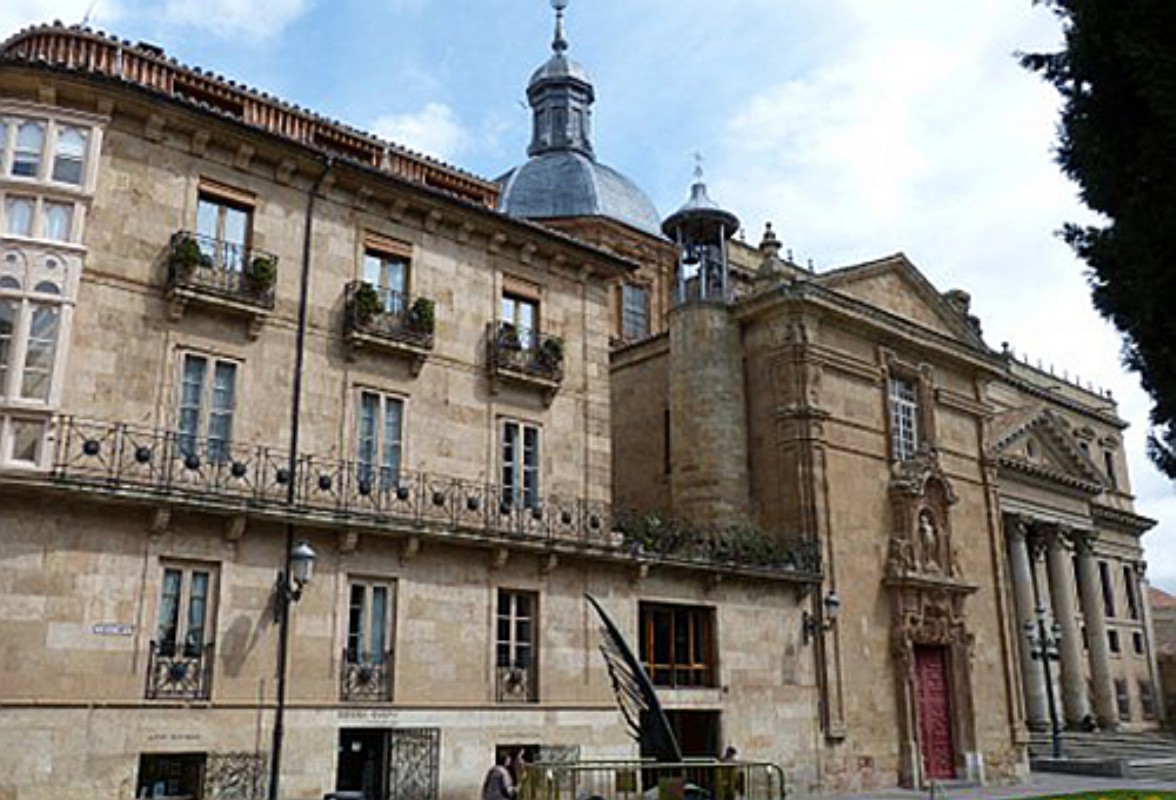
The first two years of the undergraduate program are at the picturesque campus in Segovia, housed in a historic convent, after which students can transfer to Madrid. The master’s program is held directly at the IE Tower in central Madrid—that modern skyscraper is seriously cool!
Regarding applications, IE places a strong emphasis on an applicant’s overall profile and international experience. Beyond language scores and undergraduate GPA, your internship experience, extracurricular activities, and personal talents are all very important. The essays and interview are crucial; you must demonstrate your passion for the program, a clear career plan, and why you are a good fit for IE. Don’t be nervous during the interview—just express yourself confidently. Overall, if you have a strong background and clear goals, IE can be an excellent platform to accelerate your growth and broaden your horizons.
In short, IE’s International Relations program is a high-investment, high-return venture. It’s well-suited for students who are goal-oriented, proactive, and eager to embrace multiculturalism and challenges. Are there any current students or fellow applicants here? Feel free to discuss and share in the comments below!
