I’m new to the forum and have seen many discussions about pursuing a Master’s or PhD in Spain. A question I was also very curious about when I first arrived is: Are Spanish university degrees recognized in other European countries? What is their real value? For many, the first thing that comes to mind is the Erasmus exchange program, and they think the connection between Spanish and other European universities ends there. But in reality, that’s just the tip of the iceberg.
The Bologna Process: The “Common Language” of European Universities
First, let’s talk about a core concept: the Bologna Process. This isn’t just a simple exchange agreement; it’s a major integration of higher education across Europe. It has standardized the degree structure in most European countries into the three-cycle system we’re familiar with today: Bachelor’s, Master’s, and Doctorate. More importantly, it created the European Credit Transfer and Accumulation System (ECTS). This means the credits you earn at a Spanish university are, in principle, recognized and transferable in any other signatory country, such as Germany, France, or Italy. Therefore, Spanish university education is fundamentally an inseparable part of the European Higher Education Area.
More Than Student Exchanges: A Fusion of Research
Beyond student mobility, the collaboration between Spanish universities and other European countries is deeply ingrained. Many universities offer dual degree programs with prestigious institutions in the UK, France, Germany, etc., allowing you to graduate with diplomas from two schools, effectively doubling their value. Furthermore, in the research field, Spanish universities and research centers are deeply involved in the EU’s flagship research programs, such as Horizon Europe. Your supervisor is likely collaborating with a multinational team, and as a student, you’ll have plenty of opportunities to engage with cutting-edge international topics. This international exposure is a key part of student life, right alongside experiences like navigating Spanish university dorm relationships.
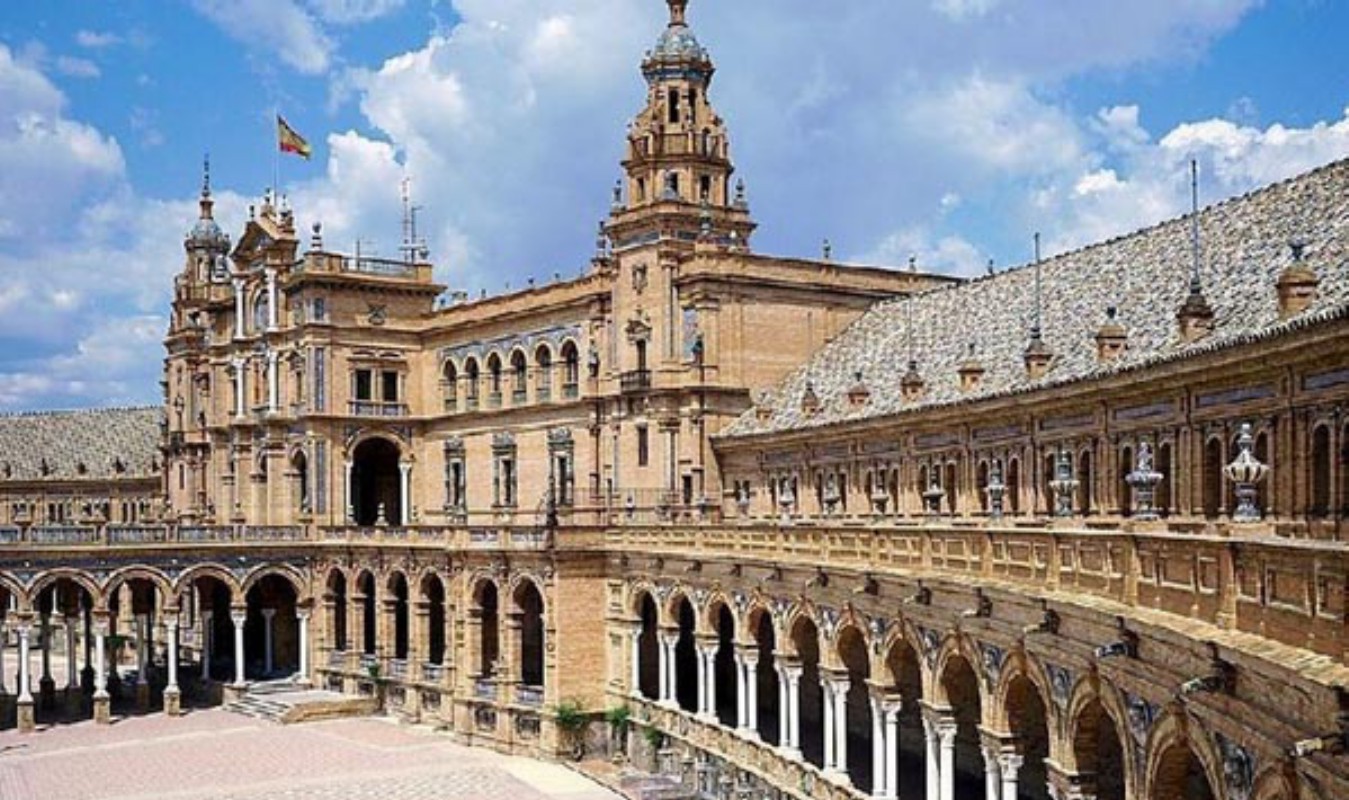
International collaborative classes and projects like this are very common in Spanish universities.
To give you a clearer picture, I’ve made a simple comparison of the cost-effectiveness of studying in Spain, a popular destination for degrees like International Relations at Spanish universities:
| Comparison Point | Spain | A Nordic Country | UK |
|---|
| Public Master’s Tuition/Year | €1,000 - €3,500 | Usually free | £15,000 - £30,000 |
| Monthly Living Costs | €700 - €1,100 | €1,200 - €1,800 | £1,200 - £1,500 |
| Degree Recognition | Fully recognized in EHEA | Fully recognized in EHEA | Fully recognized in EHEA |
| Climate & Cultural Experience | Sunny, warm, vibrant | Cold, tranquil, minimalist | Variable, diverse, classic |
Of course, this is just a rough comparison, and specific costs will vary by city and university. However, it’s clear that Spain offers a significant cost-effectiveness advantage while providing the same quality and recognition of European educational resources.
You really don’t need to worry about the “European identity” of Spanish universities. Your degree is essentially a “green card” for navigating Europe. Here’s a tip for those of you choosing a university: when applying, make sure to check the “Internacional” or “Relaciones Internacionales” sections on their official websites. Proactively look into their international collaboration programs and dual degree opportunities. This information often reveals more about a university’s true strengths and the resources available to you than rankings alone.
Hope this information is helpful
! Feel free to join the discussion!
