Recently, I’ve seen many prospective students on the forum asking how to apply to Spanish universities after finishing high school, and the most discussed topic is always rankings. It seems like everyone has a bit of ‘ranking anxiety.’ So today, I’m starting this thread to share how I approached rankings back in the day, hoping it might help you all.
Common Spanish University Rankings
When it comes to rankings, most people are familiar with global ones like QS, Times Higher Education, and U.S. News. For insights on how Spanish high school students get into university
, these are a starting point. Beyond these, Spain has its own influential domestic rankings. For instance, the newspaper El Mundo publishes an annual list of the top 50 Spanish universities and a ranking of undergraduate programs, which is extremely valuable for choosing a specific major. Another one is the CYD Ranking, which doesn’t provide an overall score but evaluates universities across different dimensions like teaching, research, and internationalization, making it a very useful reference.
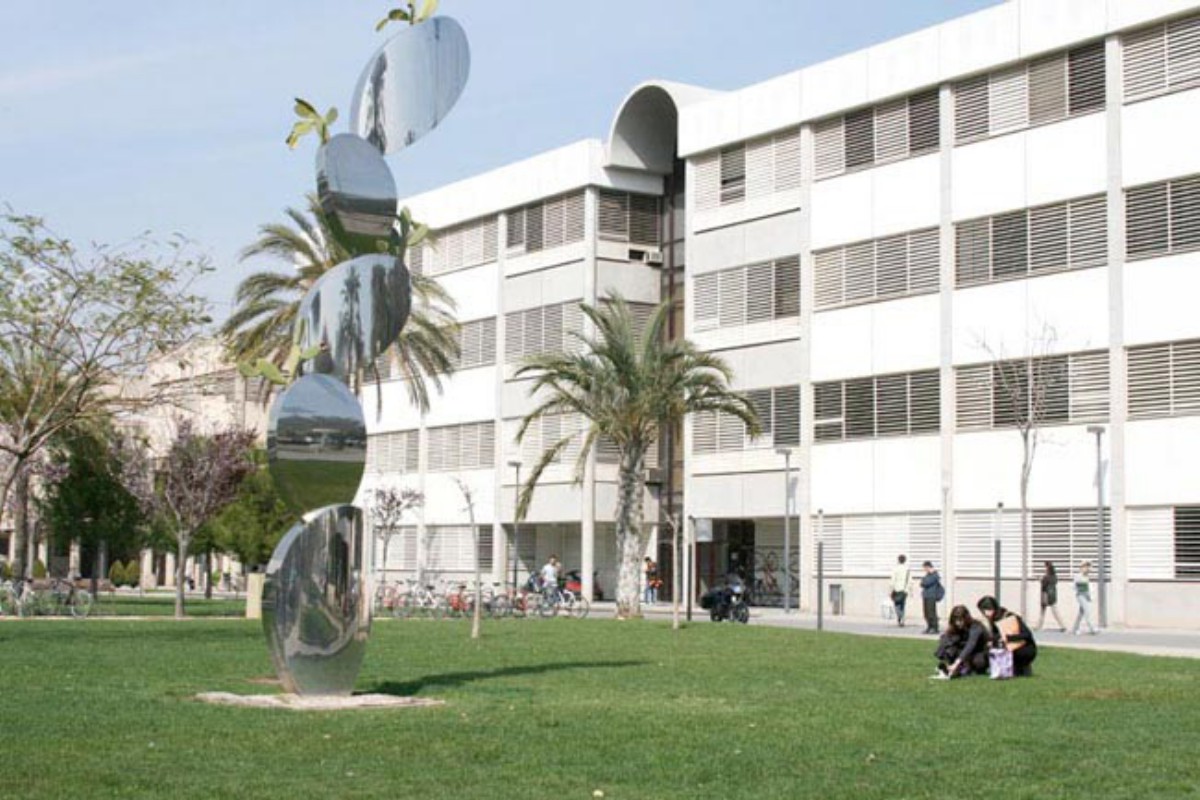
Ranking Examples for a Few Top Universities
To give you a clearer picture, I’ve put together a simple table showing the QS performance of some frequently asked-about public universities and their top programs. Keep in mind that this is just a reference, and rankings can fluctuate each year:
| University | 2024 QS World Ranking | Examples of Strong Programs |
|---|
| University of Barcelona | 164 | Archaeology, Anatomy & Physiology, Philosophy |
| Complutense University of Madrid | 171 | Dentistry, Modern Languages, Communication & Media Studies |
| Autonomous University of Madrid | 199 | Law, Physics, Archaeology |
However! Rankings are definitely not the only criterion
! I almost fell into this trap myself, focusing solely on overall rankings without paying attention to program-specific ones. I later discovered that some universities might not have a top-tier overall rank, but they could be the national leader in a particular field. For example, the Polytechnic University of Catalonia is a powerhouse in architecture and engineering, but its overall ranking might be lower than the ones mentioned above, which you can learn more about by understanding the Spanish terms for primary, secondary, and university education
. Also, the city is crucial! Do you prefer the hustle and bustle of Madrid, the artistic vibe of Barcelona, or a classic university town like Salamanca? This choice will directly impact your quality of life for the next few years.
Rankings are a useful tool, but don’t let them dictate your choice. Spend time exploring the curriculum on the universities’ official websites, talk to current students to get a feel for the real academic atmosphere—this is far more important than just cold, hard numbers. I ended up in Madrid because I fell in love with its atmosphere. What do you all prioritize when choosing a university? The city, the program, or something else? Let’s discuss it together!
