Origin of the Rumors and Official Stance
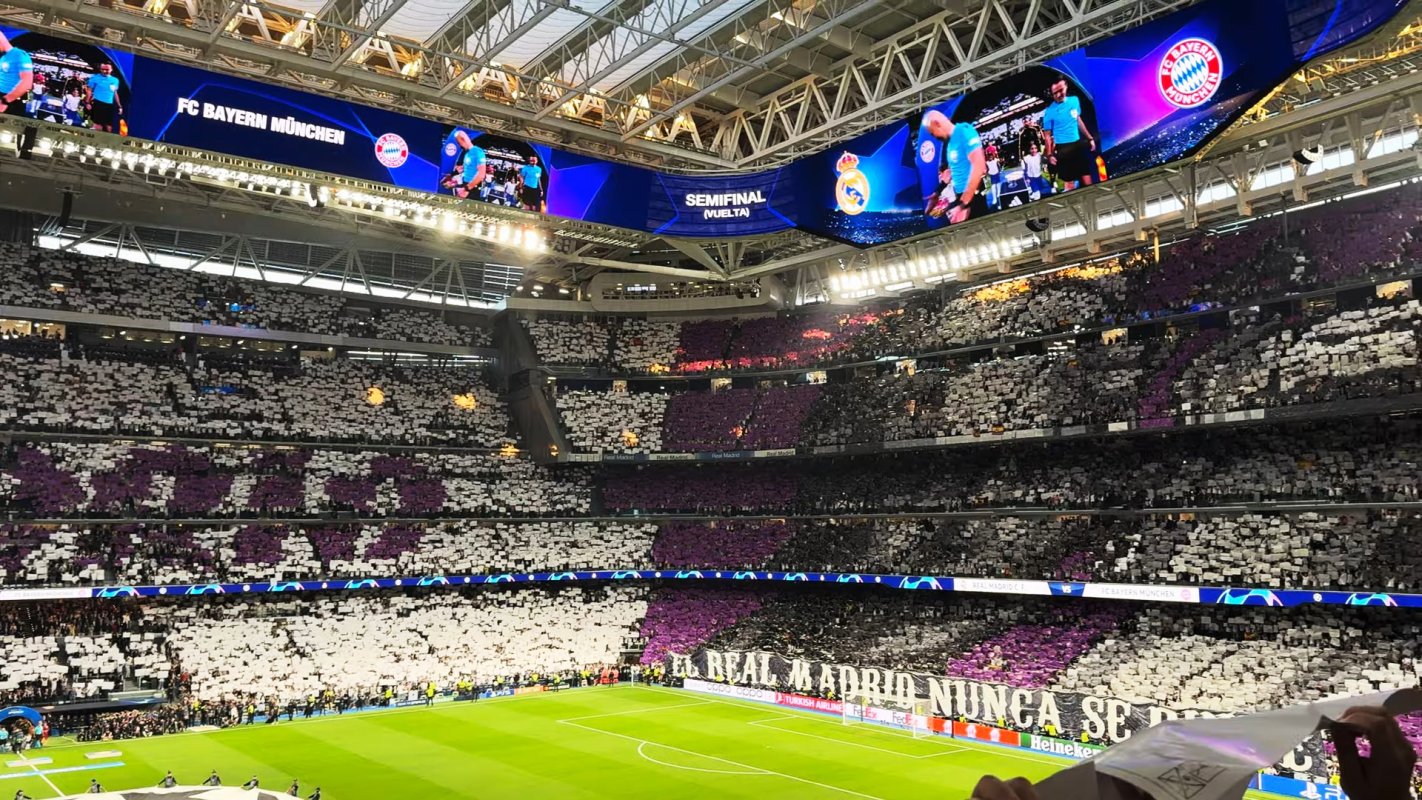
Recently, news suggesting the 2030 World Cup final will be held at Madrid’s Santiago Bernabéu stadium has gained significant traction following reports from major Spanish sports media outlets such as MARCA and AS. These reports claim that the Bernabéu is the ‘front-runner’ thanks to its recent state-of-the-art renovation and influential connections. However, this is far from an official decision. To date, FIFA has not announced the final venue, and some of these reports have even been refuted, clarifying that the selection process is still in a stage of negotiation and public discourse, and is by no means ‘set in stone’.
Analysis of the Bernabéu’s Competitive Edge
The Bernabéu’s status as the front-runner is largely based on three practical factors. Firstly, the stadium has recently completed a massive renovation, transforming it into a world-class, modern, multi-purpose sports complex, perfectly suited to the high standards of a World Cup final and its grand ceremonies. Secondly, within the joint bid by Spain, Portugal, and Morocco, Spain plays a leading role and possesses substantial political and organizational resources. Lastly, the strong coordination between the Royal Spanish Football Federation (RFEF) and the club’s leadership is a crucial asset that strengthens its bid.
Camp Nou: A Strong Contender Not Yet Out of the Race
Although the Bernabéu is highly favored, Barcelona’s Camp Nou has by no means been ruled out as a candidate. In terms of infrastructure, the renovated Camp Nou is set to boast one of the largest capacities in Europe, with its ‘maximum spectator volume’ being a key selling point. Symbolically, Camp Nou is deeply connected to the roots of the Spanish national team’s iconic ‘tiki-taka’ style, holding significant cultural weight. However, the main uncertainties are the complexity and timeline of its renovation. Any delays could impact FIFA’s final decision. If the project stays on schedule, Camp Nou remains a powerful contender.
The Profound Impact of Hosting the Final for Spain
Regardless of the final choice, hosting the World Cup final on Spanish soil would carry a significance that extends far beyond the game itself. Securing the final would not only cement Spain’s position as the ‘primary host’ and grant it a subtle home-field advantage in terms of atmosphere and media narrative, but it would also positively impact the national team’s strategic development and talent attraction. In the long run, hosting the final would greatly enhance the country’s international image and commercial appeal, stimulating investment in infrastructure and the broader football industry, and injecting lasting vitality into the brand of Spanish football.
