Misconception: Penalties Are Based on BAC, Not the Number of Drinks
During the end-of-year holidays, especially with frequent Christmas gatherings, the question ‘Is it okay to drive after one or two beers?’ often comes to mind for many drivers. However, Spanish traffic law is clear: the basis for a DUI charge is not the amount of alcohol consumed, but the driver’s blood alcohol concentration (BAC). Law enforcement officers determine violations by testing the alcohol content in your breath or blood. This objective standard makes any subjective feeling of being ‘in control’ unreliable.
The Legal Red Line Under a ‘Zero-Tolerance’ Approach
Currently, the legal alcohol limit for general drivers in Spain is extremely low, with enforcement standards nearing a ‘zero-tolerance’ level. This means that even a small amount of alcohol can result in a test result that exceeds the legal limit. Key factors that influence the final test value include an individual’s body weight, metabolic rate, whether they’ve been drinking on an empty stomach, and the time elapsed since their last drink. Consequently, there is no ‘safe amount’ of alcohol that applies to everyone, as the same drink can have vastly different effects on different people in different situations.
Strict Tiered Penalties for Exceeding the Limit
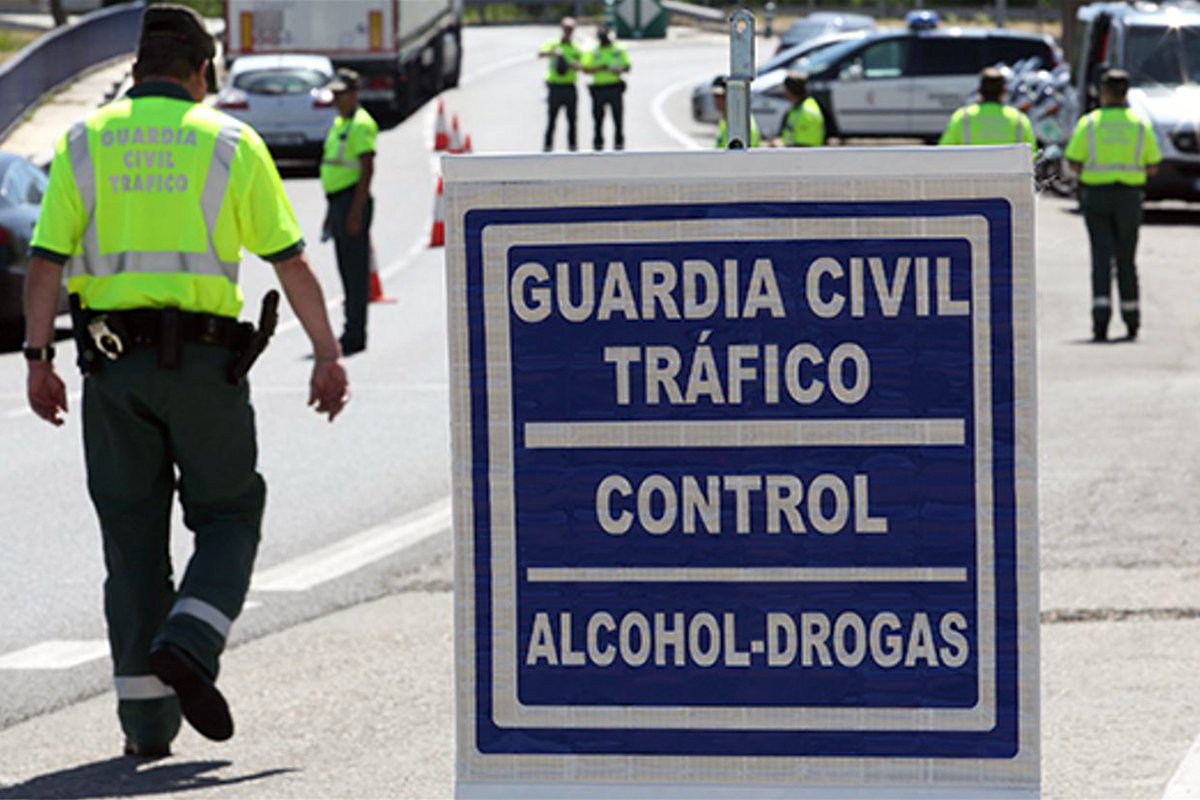
Once a breath or blood alcohol test result exceeds the legal limit, drivers face immediate legal sanctions. The severity of the penalty is directly linked to the alcohol concentration level: a minor violation typically results in a hefty fine and points deducted from your driver’s license. As the BAC value increases, so do the fines and points. When the alcohol concentration reaches a certain high-risk level, the offense is elevated from an administrative violation to a criminal offense, potentially leading to more severe consequences like imprisonment. Furthermore, it’s crucial to note that refusing to undergo an alcohol test is itself a serious offense and is met with severe penalties.
The Only Safe Strategy: Zero Alcohol
Spain’s General Directorate of Traffic (DGT) repeatedly emphasizes that under the current strict standards, even a single glass of wine or half a beer can be enough to cause a driver’s alcohol test to be on the borderline or even over the limit. Especially during the holiday season, when traffic volume is high and road conditions are more complex, the negative impact of alcohol on judgment and reaction time becomes even more pronounced than usual. Therefore, to protect your own life and property, as well as that of others, the most reliable and only foolproof choice is: if you plan to drive, completely avoid any alcoholic beverages.
