Chatting with friends recently, I realized it’s that time of year again—when the major world university rankings like QS and Shanghai Ranking release their lists, and the titans clash. For those of us living in Spain or planning to study here, this is big news. It’s always a little exciting to watch the performance of Spanish universities in the rankings each year. I’ve taken some time to compile a list of the Spanish universities that broke into the global Top 500 this year, to share with everyone for discussion and reference.
It’s no surprise that the University of Barcelona and the Autonomous University of Madrid remain the heavyweights, firmly holding the top two spots in Spanish higher education. The University of Barcelona, in particular, consistently hovers around the 150th mark, making it a true flagship for Spanish universities on the international stage. Other Madrid-based universities, like the Complutense University of Madrid and Carlos III University, are also formidable contenders, each with its own strengths. It’s quite a proud feeling to see these familiar names ranked among the world’s best.
A Glimpse at the QS Rankings for Top Spanish Universities
To give you a clearer picture, I’ve created a simple table listing some of the higher-ranked and more representative universities. Of course, this is just a fraction of the QS rankings, and many other excellent universities aren’t listed. Feel free to add more in the comments!
| University Name | University Name (Spanish) | 2024 QS World Ranking |
|---|
| University of Barcelona | Universitat de Barcelona | 164 |
| Autonomous University of Madrid | Universidad Autónoma de Madrid | 199 |
| Complutense University of Madrid | Universidad Complutense de Madrid | 226 |
| Pompeu Fabra University | Universitat Pompeu Fabra | 233 |
| University of Navarra | Universidad de Navarra | 280 |
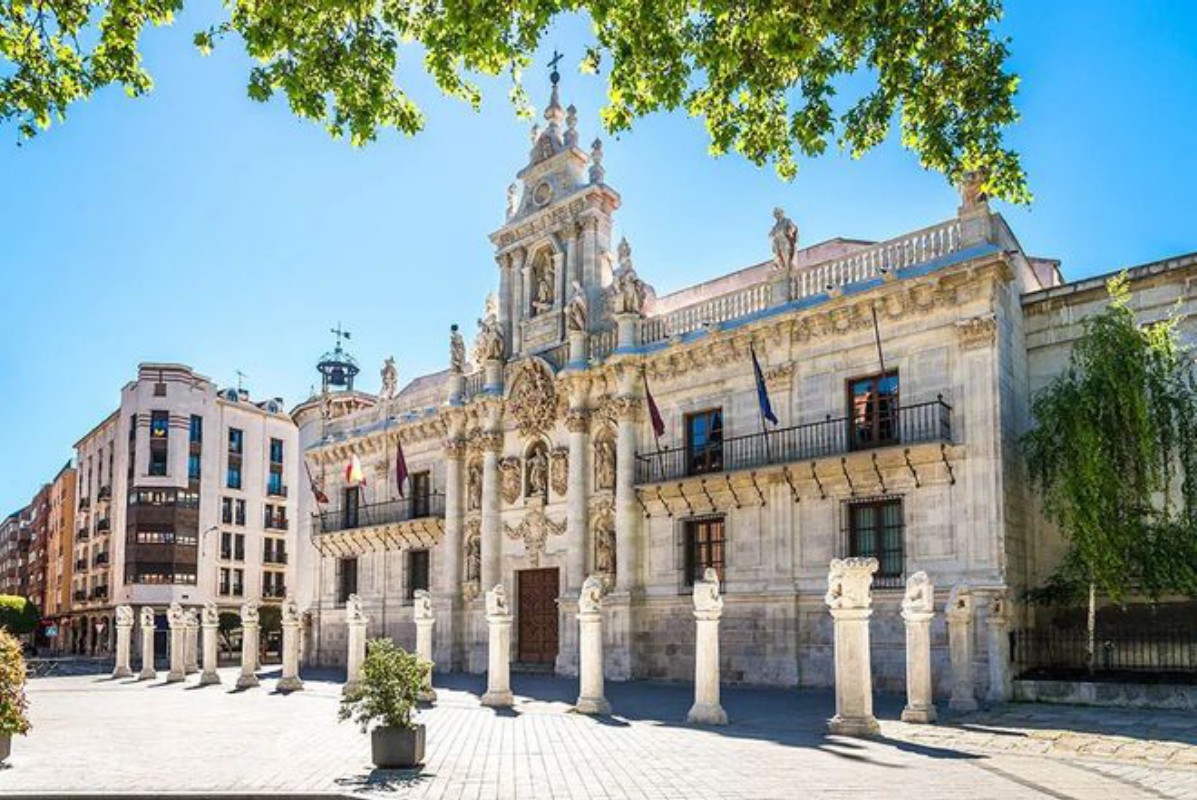
Of course, rankings are just a reference and should never be the sole criterion for choosing a university
! Each institution has vastly different strengths in its programs, campus culture, city environment, and teaching models. For instance, Pompeu Fabra University is renowned for economics and business, while the Polytechnic University of Valencia excels in science and technology. Choosing a program that suits you and a city you love is arguably more important than just chasing a high ranking. After all, studying abroad is half about learning and half about the experience. And, provided the tuition fees are not outrageously expensive still manageable, the quality of life in the city is also a key factor.
So, when looking at the Top 50 Spanish Universities
, what are your thoughts on these rankings? Are there any current students or alumni from these universities who can share their firsthand experiences? For example, how’s the food in the cafeteria? Are the professors very strict? Or do you have any unique insights into living and studying in big cities like Barcelona or Madrid? Feel free to leave a comment below to offer some valuable advice for future students!
