For those of us new to Spain, was the famous RAE the first official Spanish institution you heard of? Whenever debating a word’s usage with Spanish friends, they always hit you with: “The RAE has the final say!” RAE, short for Real Academia Española, is indeed the highest authority in the Spanish-speaking world. But Spain actually has two other ‘Royal Academies’ of equal prestige, forming the country’s ‘national team’ in language, history, and art. Today, let’s explore these three great academies—some fascinating trivia to impress your friends!
Royal Spanish Academy (RAE)
Since this is the one most people know, let’s start here. Founded in 1713, the RAE’s motto is “Limpia, fija y da esplendor” (It cleans, fixes, and gives splendor). Its main job is to compile and revise Spanish dictionaries and grammar rules, ensuring the unity and purity of the language. The Spanish dictionaries on our phones and computers are almost all sourced from it. Whenever the RAE announces the inclusion of a new word or a change in a word’s gender, it sparks heated public debate, proving just how influential it is.
Royal Academy of Fine Arts of San Fernando
If the RAE is the authority in the world of language, then the Royal Academy of Fine Arts of San Fernando is the powerhouse of the Spanish art world, akin to the great universities of Spain. Founded in 1752, it’s not just an academic institution but also a world-class art museum! Many Spanish masters were members, such as Goya, who served as a long-time director, and Picasso, who was appointed director but never took up the post. The academy’s museum houses a vast collection of Spanish and European art treasures from the 16th to the 20th centuries, including masterpieces by Goya, Zurbarán, and Ribera. It’s located right in the center of Madrid, not far from Puerta del Sol, and the admission is affordable. A highly recommended visit!
Royal Academy of History
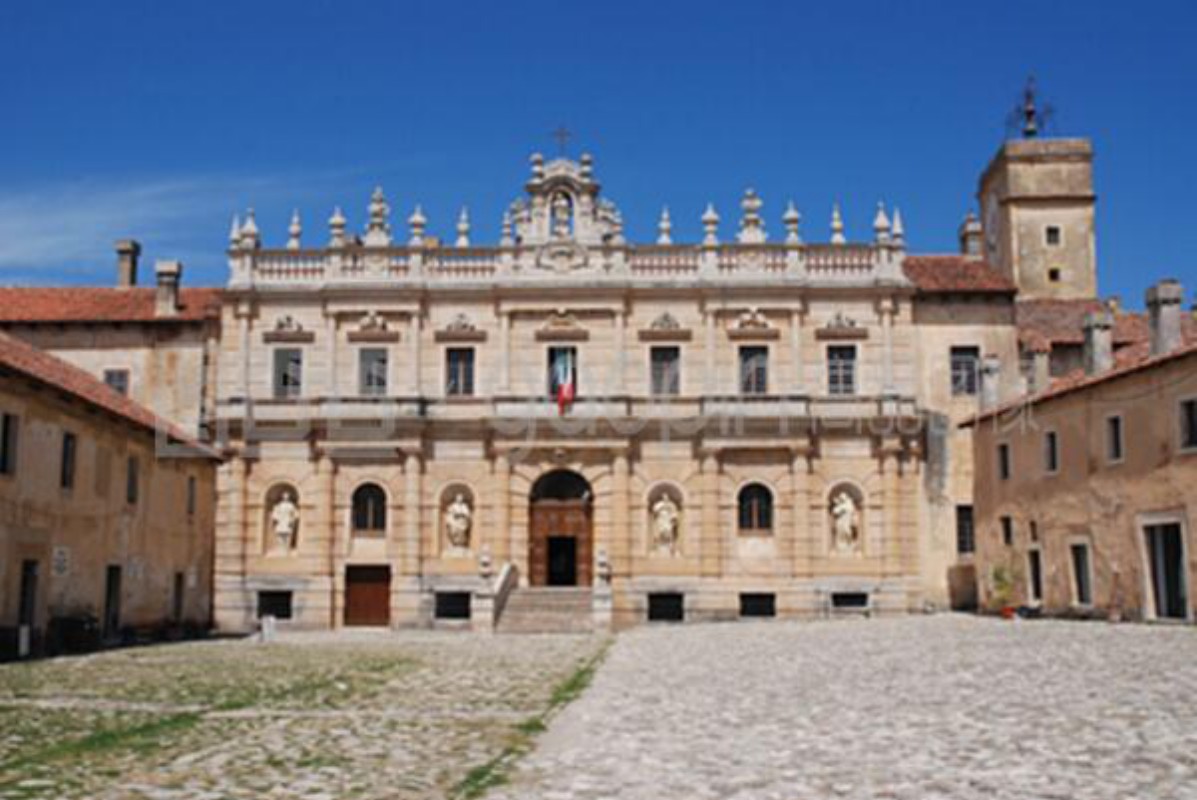
Last but not least is the Academy of History, founded in 1738. Its mission is to research and “purify” the history of Spain, clearing away errors and myths from historical narratives—a monumental task, to say the least. The academy possesses a massive library and archive, holding countless precious historical manuscripts and documents. One of its most significant achievements is the Diccionario Biográfico electrónico (Electronic Biographical Dictionary), which contains the biographies of over 40,000 historical Spanish figures, a truly definitive biographical encyclopedia for Spain.
To help you tell them apart, here’s a simple table:
| Academy Name | Main Function | Founded In |
|---|
| Royal Spanish Academy | To regulate the Spanish language | 1713 |
| Royal Academy of Fine Arts of San Fernando | To protect and promote art | 1752 |
| Royal Academy of History | To research and record history | 1738 |
These three academies are all headquartered in Madrid and are cultural treasures that Spain is proud of. Learning about them, much like learning about Spain’s top three universities, not only helps us better understand Spanish language and culture but also gives us more interesting topics to discuss with locals. Do you know any other fun facts about these academies? Or if you’ve visited the Fine Arts museum, feel free to share your experience in the comments below!
