The Legal Nature of a “Vado”: A Right of Way, Not a Parking Space
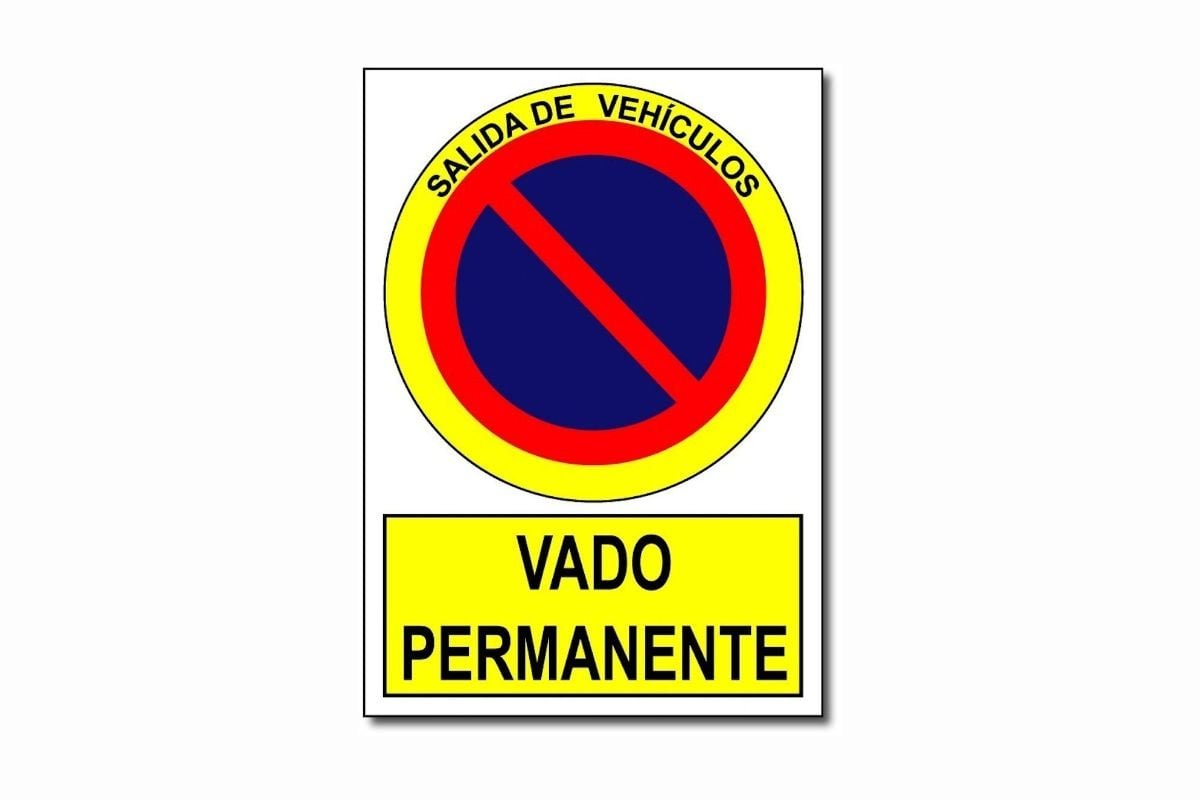
According to Article 91 of Spain’s General Traffic Regulations (Reglamento General de Circulación), any form of parking or stopping is prohibited if it obstructs the normal passage of other vehicles or poses a risk to road safety. The legal purpose of an area marked with a “vado” sign is to guarantee the “right of way” for vehicles to enter and exit a private garage, not to grant the garage owner an exclusive “private parking space.” Many drivers mistakenly believe that paying the municipal fee for the “vado” grants them the right to use the area for temporary parking. This is a common misconception. In reality, this fee only serves to authorize the police to have obstructing vehicles towed when the access is blocked.
Strict No-Parking Rule: No Exemptions for the Owner
Spanish traffic law is extremely strict on this matter, leaving no room for ambiguity or exceptions. Whether it’s a visitor’s car or the garage owner’s own vehicle, parking in a “vado” zone is strictly forbidden. The regulation explicitly prohibits both “parking” (estacionamiento) and “stopping” (parada). This means even stopping “just for a minute” is considered an offense. The only permissible stop is when a vehicle is actively in the process of entering or exiting the garage. Once a vehicle is stationary and unattended in the driveway, traffic officers have the authority to issue a fine immediately.
Penalties and Enforcement Procedures
Violating the “vado” parking rule is considered a serious traffic obstruction. According to current regulations, the fine is €200. However, Spain’s penalty system offers a discount. If the vehicle owner pays the fine voluntarily within 20 calendar days of receiving the notification, the amount is reduced by 50% to €100. This incentive is designed to improve administrative efficiency and encourage prompt settlement of fines.
What to Do If Your Access is Blocked
If your garage entrance or exit is blocked by another vehicle, you have the right to immediately contact the local police (Policía Local). You do not need to be the property owner to make the report; anyone who discovers the obstruction can call the police. In accordance with Article 91 of the General Traffic Regulations, the police will contact a tow truck service to remove the illegally parked vehicle and will issue a fine to its owner, thereby restoring normal access to the driveway. Therefore, understanding and complying with the “vado” regulation not only helps avoid unnecessary financial losses but is also a crucial part of maintaining public order and protecting your own rights.
