The Spanish National Police recently conducted an operation in the Madrid region, successfully dismantling a criminal network that used ordinary residences as warehouses and distribution centers for counterfeit goods. The operation seized a total of 21 tons of fake and shoddy products with a market value exceeding €3 million. Five individuals are under investigation in connection with the case, two of whom have been formally arrested.
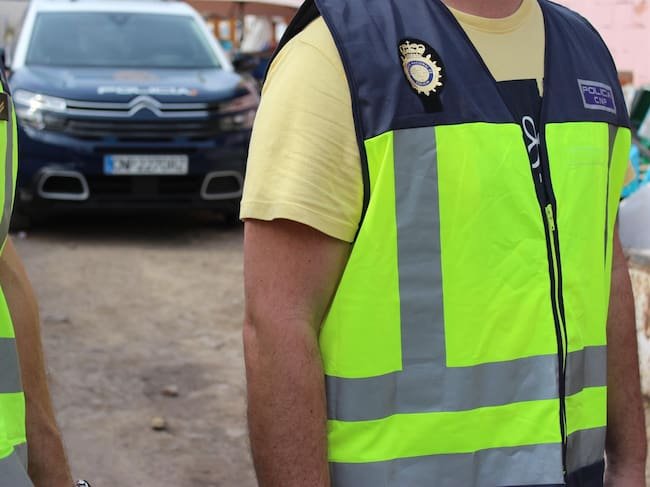
Residences Turned into Warehouses, Police Conduct Multi-location Raids
According to the police report, the criminal organization’s main hubs of activity were located in the southern Madrid districts of Parla and Villaverde, where they converted private homes into secret warehouses for storing and selling counterfeit items. Additionally, the group established a third logistics center in the province of Toledo to support their illegal operations. During the raids, law enforcement officers seized large quantities of counterfeit textiles, athletic shoes, and designer perfumes. A preliminary inventory revealed that the total weight of the seized fake goods reached 21 tons. Currently, five Moroccan nationals involved in the case are under investigation, with two of them already in custody.
International Sourcing and Hybrid Online-Offline Sales
The investigation revealed the group’s sophisticated methods. Two key members of the organization were responsible for traveling to countries like China and Turkey to contact suppliers and purchase large quantities of counterfeit goods, which were then shipped to Spain. Upon arrival, the merchandise was not stored in traditional commercial warehouses but was instead hidden in the aforementioned private residences to evade detection. The network promoted and sold its products through online channels such as social media, while also conducting direct offline transactions within the homes. They even had Point of Sale (POS) terminals to facilitate customer payments, creating an end-to-end sales operation.
Community Tips Were Key to Cracking the Case
The success of this operation was largely due to proactive tips from local residents. The police had previously received multiple reports from the community about ongoing counterfeit goods transactions in the area. Some residents reported frequently seeing people picking up merchandise, with transactions ranging from several hundred to over a thousand euros. The goods were then distributed to various parts of Madrid. These leads prompted the police to conduct long-term surveillance of the area, which ultimately allowed them to pinpoint the criminal group’s patterns of activity. Police have stated that the investigation is ongoing and do not rule out the possibility of more arrests in the future.
