A Sleep Deficit: A Health Warning for Over Half of Spaniards
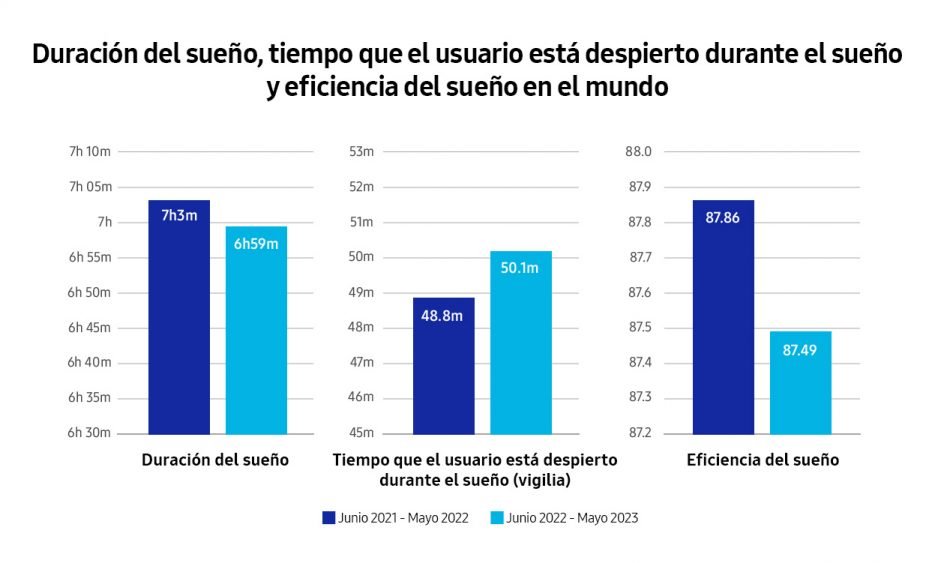
A nationwide health survey in Spain has revealed a worrying reality: approximately 54% of Spaniards fail to get the medically recommended 7 to 8 hours of sleep per day. Chronic sleep deprivation has become a widespread public health issue. Its negative impacts go far beyond daytime fatigue, profoundly affecting cognitive function and physical health. Studies confirm that a lack of sleep significantly impairs an individual’s attention, memory, and emotional stability, while also being a major contributing factor to chronic diseases such as cardiovascular disease, obesity, and depression. Furthermore, the delayed reaction times caused by fatigue greatly increase the risk of traffic accidents and workplace injuries, posing a potential threat to public safety.
The Hidden Threat: The Danger of Obstructive Sleep Apnea
When exploring the root causes of poor sleep quality, respiratory specialists specifically point to Obstructive Sleep Apnea as a key factor. According to estimates from the Spanish Society of Pulmonology and Thoracic Surgery (SEPAR), this condition affects 4% to 6% of the adult population in the country, with its prevalence increasing significantly with age. Sufferers experience repeated pauses in breathing during the night, leading to oxygen deprivation and numerous “micro-arousals.” Although the individuals themselves may be completely unaware of this, their bodies and nervous systems remain in a state of high tension throughout the night, unable to enter deep, restorative sleep, which severely compromises the restorative function of sleep. It is worth noting that children can also be affected by this problem.
Scientific Sleep Aids: Comprehensive Advice from Experts
To address this challenge, the Spanish Society of Pulmonology and Thoracic Surgery (SEPAR) has issued a series of scientific guidelines aimed at improving sleep quality. Experts emphasize that establishing and maintaining a regular biological clock is crucial. This includes going to bed and waking up at relatively fixed times each day, as well as eating at regular intervals. Getting adequate exposure to natural light during the day, for example, through walks or outdoor exercise, helps to calibrate the body’s internal rhythms. However, intense exercise should be avoided in the hours leading up to bedtime to prevent overstimulation of the body. The timing of dinner also requires attention; it is recommended to eat at least an hour before sleep and to choose light, easily digestible foods, avoiding greasy or high-carbohydrate meals.
Creating an Ideal Sleep Environment and Bedtime Ritual
Creating an environment conducive to relaxation and sleep is another key to improving sleep. The bedroom should be kept clean, quiet, and dark, using blackout curtains or similar methods to ensure soft, dim lighting, while maintaining a comfortable room temperature. In the half-hour before sleep, you should actively stay away from electronic devices like phones and tablets, as the blue light emitted from screens suppresses melatonin secretion and interferes with sleepiness. Instead, you can engage in relaxing activities such as reading a physical book, meditating, or listening to soothing, soft music. Experts also remind us that although alcohol can make you fall asleep quickly, it causes sleep to become lighter in the second half of the night, reducing overall sleep quality. If you are still awake after lying down for 20 minutes, it is advisable to get out of bed and do something relaxing, returning to bed only when you feel sleepy. This helps to avoid forming an anxious association between the bed and insomnia.
