Linguistic Diversity and Regionalisms in Spain
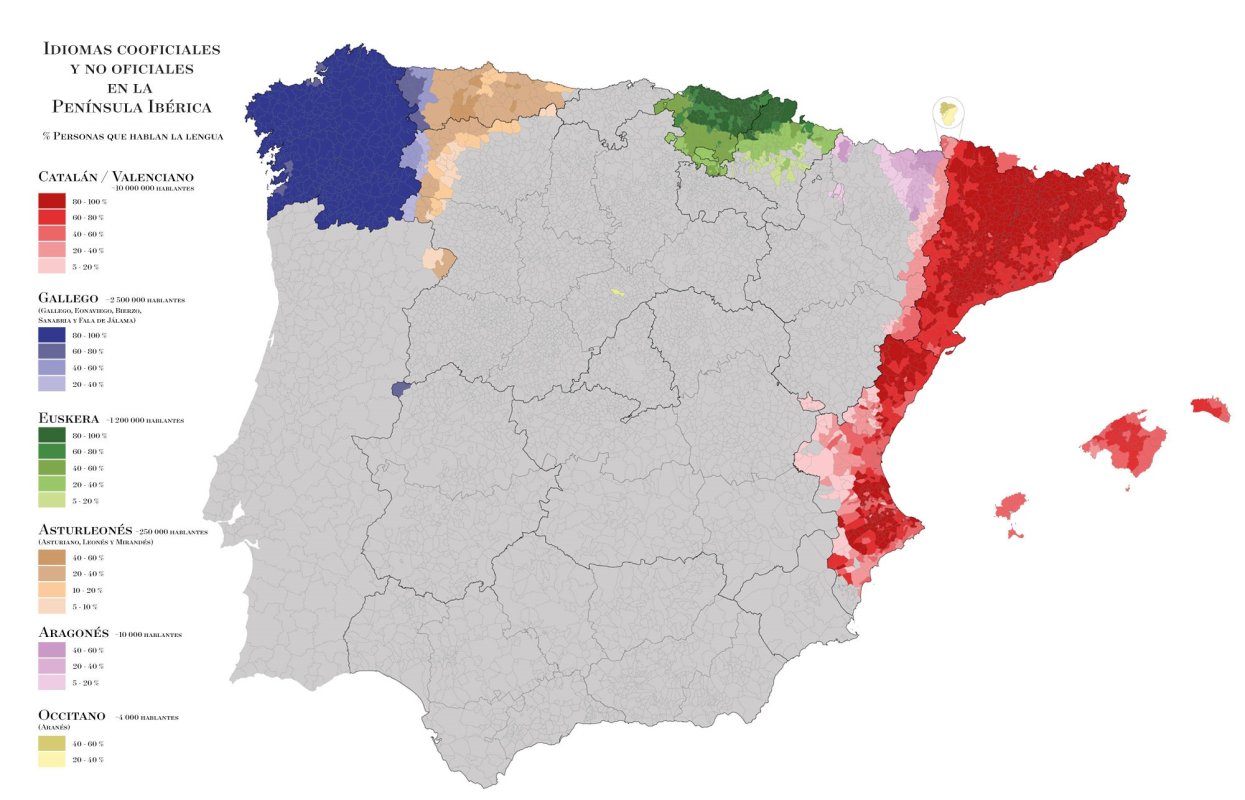
Spain is a country with remarkable linguistic diversity. Alongside Castilian (standard Spanish), official languages like Catalan and Basque coexist. Furthermore, each Autonomous Community (Comunidad Autónoma) has developed a wealth of unique local terms (localismos) in everyday communication, which have become distinct markers of local cultural identity.
Regional Marks in Terms of Address and Social Interaction
In different regions of Spain, people use specific words for daily address and social interaction. For instance, in Andalusia, “Quillo/a” is often used as an informal term for a person, similar to “mate” or “buddy”. In Aragon, “Maño/a” can refer to a local resident or be used colloquially to address a young person. The iconic interjection from the Valencian Community, “¡Ché!”, is versatile and can express a range of emotions like surprise, agreement, or displeasure depending on the context.
Alternative Expressions for Everyday Things and Actions
Many everyday objects and actions also have unique names in different regions. In the Canary Islands, people call a bus a “Guagua” instead of the standard “autobús”. In the capital, Madrid, “Mazo” is frequently used as an adverb meaning “very” or “a lot of”, as in “hace mazo calor” (it’s extremely hot). Meanwhile, in the Basque Country, the word “Potear” vividly describes the social activity of friends going from bar to bar for drinks.
Regional Flavor in Emotions and Descriptions
Some words carry specific emotional or descriptive functions that are hard to find direct equivalents for in standard dictionaries. The Galician term “Morriña” perfectly captures the feeling of sadness and homesickness when far from one’s homeland. In the rural areas of Castile-La Mancha, the old word “Mangurrián” is still used to describe someone who is rough or uncivilized. These terms not only enrich the Spanish language but also offer a unique window for outsiders to observe local culture.
