Hello everyone! There have been a lot of posts on the forum recently about choosing a university, and I’ve seen some people asking about history programs. As a former slacker from a history department who has spent several years navigating the academic scene in Spain, I couldn’t resist sharing some personal insights about studying in a History Department at a Spanish University. I hope this can help future students. Choosing a university is a big deal, especially for a subject like history that relies heavily on institutional heritage and resources, so it’s worth researching thoroughly.
When it comes to rankings, the most familiar one is undoubtedly QS. While we often say that rankings aren’t everything, they do provide a straightforward reference point to help us form an initial impression. I’ve compiled a list of the top-ranked Spanish universities for History from the latest QS World University Rankings to give you a general idea:
| World Ranking Range | University Name (Official) | University Name (English) | City |
|---|
| 51-100 | Universidad Complutense de Madrid | Complutense University of Madrid | Madrid |
| 51-100 | Universitat de Barcelona | University of Barcelona | Barcelona |
| 101-150 | Universitat Pompeu Fabra | Pompeu Fabra University | Barcelona |
| 151-200 | Universidad Autónoma de Madrid | Autonomous University of Madrid | Madrid |
| 151-200 | Universidad de Navarra | University of Navarra | Pamplona |
Rankings Aren’t Enough: What Makes Each University Special?
Rankings are just numbers; the soul of a university lies within. The Complutense and the University of Barcelona are the two giants of Spanish historiography, consistently topping the charts, but they have quite different styles.
Complutense University of Madrid (UCM)
As one of Spain’s largest and oldest universities, UCM’s history department is incredibly well-established. Its main advantage is its unbeatable resources. Located in the capital, it’s just a stone’s throw away from the National Historical Archive, the National Library, and the Prado Museum, making research, accessing materials, and finding internships incredibly convenient. The professors are also leading figures in the field. The downside? There are a lot of students, which can lead to a more ‘hands-off’ or independent learning environment. You’ll need strong self-study and planning skills to thrive.
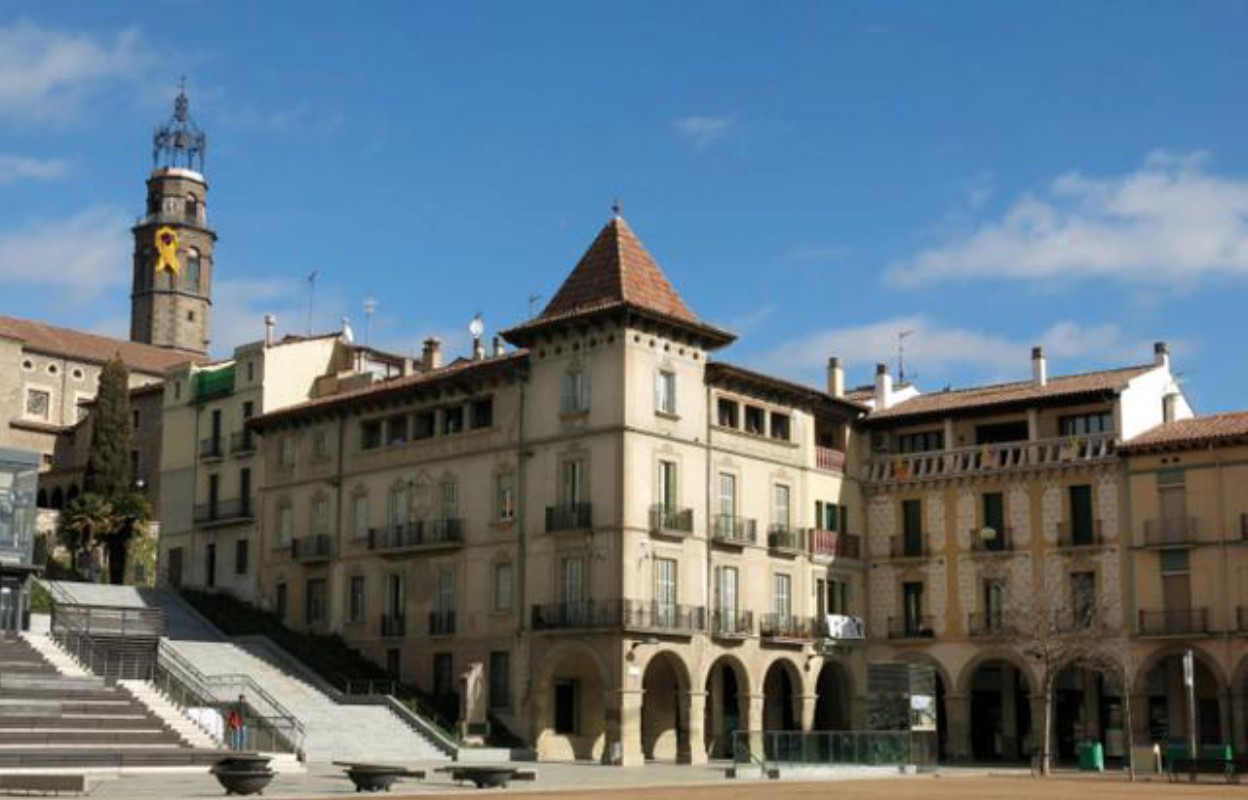
University of Barcelona (UB)
The history department at UB is also top-tier, with particular strengths in Medieval History and the regional history of Catalonia. The city of Barcelona is a living history book itself, from Roman ruins and the Gothic Quarter to Gaudí’s modernist architecture, providing endless inspiration for history students. Compared to UCM, the university’s atmosphere is arguably more liberal and international.
Beyond these two giants, the history departments at Pompeu Fabra University (UPF) and the Autonomous University of Madrid (UAM) are also formidable. UPF attracts many students with its international outlook and elite education model, while UAM is renowned for its research in modern history. While you can find excellent programs in big cities, like at the UPF’s History Department in Spain, if you prefer to avoid the hustle and bustle, the University of Navarra is another excellent option. It’s a high-quality private university with a rigorous academic atmosphere.
Rankings are a foot in the door, but what truly defines your learning experience are the professors, the curriculum, and your love for the city. I recommend that before you decide, you should definitely check the official university websites for their course structures and see if the professors’ research areas align with your interests. Sometimes, finding the right mentor is more important than getting into a higher-ranked school. I hope this information is helpful! Feel free to discuss, and I welcome current students and alumni to add their insights!
