A Deep Dive into Bank Account Seizures (Embargo) in Spain
In Spain, when a resident or a company fails to meet their financial obligations, their bank account may be subject to a seizure order (Embargo). This is a legal procedure initiated by a creditor to forcibly collect an outstanding debt. The measure directly affects the debtor’s bank deposits, but its impact and scope are subject to specific legal regulations.
Common Causes and Enforcement Agencies for Account Seizures
Bank account seizures are typically initiated by public administrative bodies to collect various unpaid fees. Common enforcement agencies and their reasons include:
- Spanish Tax Agency (Agencia Estatal de Administración Tributaria, AEAT): This is the most common scenario, where seizure orders are issued for failure to pay personal income tax, VAT, or other taxes, as well as related fines.
- General Treasury of the Social Security (Tesorería General de la Seguridad Social, TGSS): When a company or self-employed individual has overdue social security contributions, this agency will initiate the seizure process.
- Local Courts (Juzgado): Based on civil lawsuit judgments, to enforce the payment of debts or compensation.
- City/Town Council (Ayuntamiento): Used to collect unpaid municipal taxes, such as property tax (IBI), waste collection fees, or long-overdue traffic fines.
The Seizure Mechanism: A Partial Freeze, Not a Full Block
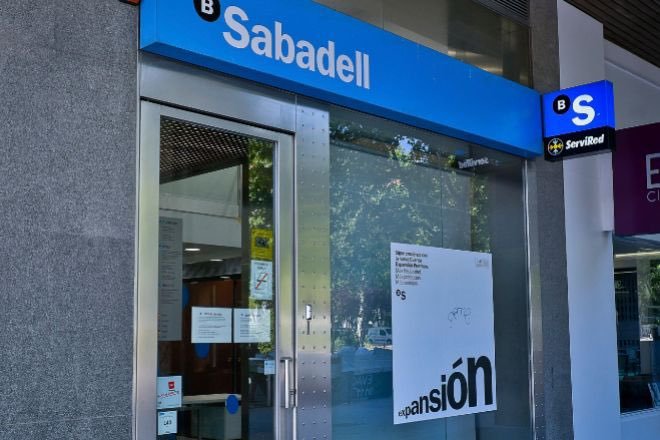
A key point to clarify is that an Embargo does not freeze the entire bank account. The law stipulates that the seizure is limited to the exact amount of the debt owed. For example, if there is a traffic fine of €400, the enforcement agency will notify the bank to seize €400 from the account. The rest of the funds are not affected.
The account’s functions remain normal. The account holder can still receive their salary, make payments, or deposit new funds. Only the specific amount marked as “seized” is inaccessible until the debt issue is resolved.
Steps to Take After Your Bank Account is Seized
If you discover a seizure on your bank account, remain calm and take the following steps:
- Confirm the Source of Information: First, check the official notification sent by your bank. The notice will specify which agency issued the seizure order and the exact amount seized.
- Trace the Reason for the Seizure: Based on the information about the agency in the notice, log in to the personal area on its official website to investigate. For instance, if the seizure is from the Tax Agency (AEAT), you can log in to its electronic platform to check for any pending tax notifications or enforcement orders (Providencia de Apremio).
- Verify and Appeal: Carefully check if the seized amount matches the actual debt. If you find an error in the amount or dispute the debt itself, you can file an appeal within the legal deadline according to the instructions provided in the official notice, or seek professional legal advice.
