When I first arrived in Madrid, I kept hearing about a university with a strikingly grand name: the Royal Imperial University of Spain! Doesn’t it just give you a Habsburg dynasty vibe? I later learned they were talking about the renowned Complutense University of Madrid, or UCM. As one of Spain’s oldest and largest public universities, its status in Spain is comparable to the Ivy League in the US or Oxbridge in the UK, making it an absolute dream school for many young Spaniards and international students.
UCM’s history dates back to 1293, making it nearly 800 years old—practically a living fossil. This profound historical legacy gives the entire campus a classical, academic atmosphere. The university has produced numerous famous alumni, including several Nobel laureates and even King Juan Carlos I. So, while calling it the ‘Royal Imperial University’ might be an affectionate nickname, considering its historical depth and academic standing, it’s a well-deserved title. Walking through the campus and seeing the ancient buildings, you can truly feel the power of knowledge.
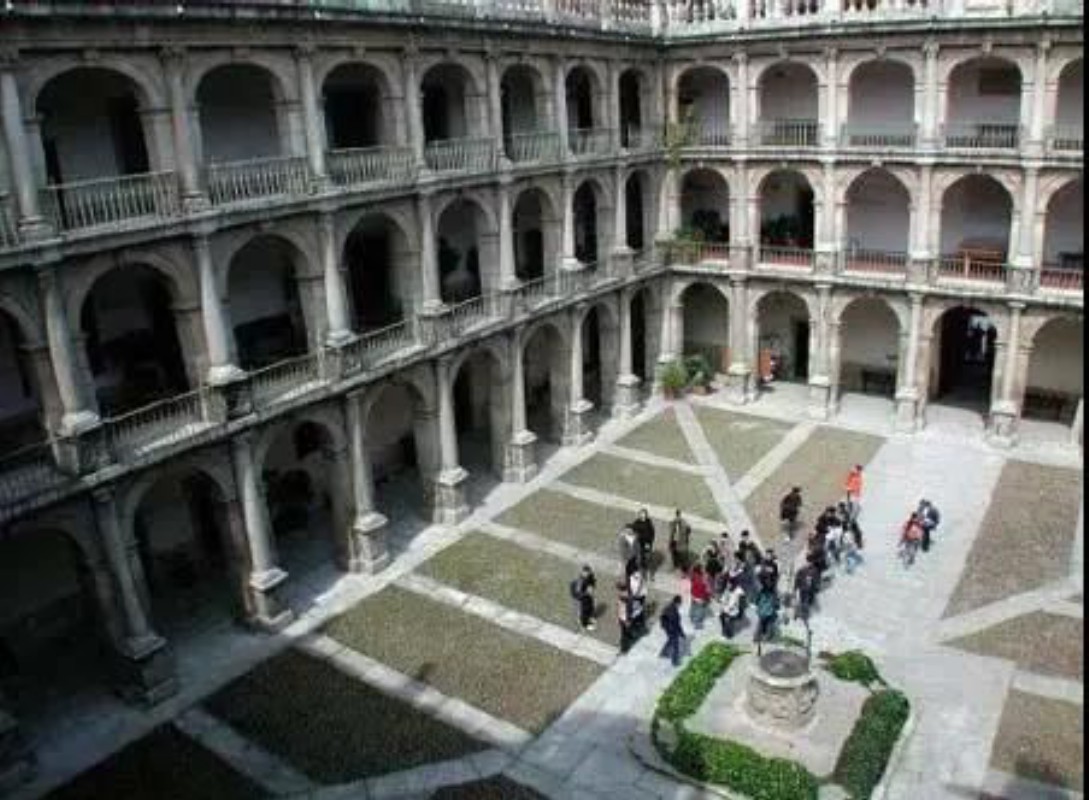
UCM’s main campus is in the University City (Ciudad Universitaria), a massive, beautifully green area that feels more like a huge park. It’s easily accessible via Metro Line 6. The campus has a strong academic atmosphere, and its libraries are always full of diligent students. Of course, university life isn’t just about studying; there are plenty of clubs and sports facilities. On the other hand, as a public university, some facilities can feel a bit dated—a common point of comparison, as seen in discussions about Imperial College London and Spain—and the administrative efficiency can sometimes be… well, very Spanish. Don’t expect the kind of all-inclusive support you might find at other universities; here, you have to be proactive and advocate for yourself.
Application and Program Selection
For us international students, the main concerns are, of course, the application process and program selection. While you can look up details like the ’Royal Imperial University’s’ QS ranking, let’s focus on the practicals. UCM offers an incredibly comprehensive range of programs, covering everything from humanities and social sciences to engineering and medicine. Its arts and humanities programs are particularly renowned, with fields like journalism, fine arts, history, and linguistics ranking among the best in Spain. For master’s applications, the main criteria are your undergraduate grades, language proficiency, and CV. Competition for popular programs is fierce, so it’s wise to plan ahead and prepare a strong application package.
Here is a simple information table for your reference:
| Item | General Estimate |
|---|
| Bachelor’s Tuition Fee | €1,000 - €3,000 per year (variable) |
| Master’s Tuition Fee | €2,000 - €5,000 per year (variable) |
| Strong Programs | Journalism, Pharmacy, Veterinary Medicine, Fine Arts, etc. |
| Language Requirement | Typically Spanish B2 level |
UCM is a university with very clear strengths and weaknesses. Its advantages lie in its profound history, excellent academic reputation, and free academic environment. Its disadvantages include the administrative inefficiencies and aging facilities common to public universities. However, if you love Spanish culture, are passionate about learning, and are an independent, self-reliant person, then UCM is definitely a platform where you can thrive. Are there any alumni or current applicants here? Let’s share our experiences and stories in the comments
!
