Students new to Spain might think that with so many Spanish university churches around, nothing is surprising. But what if I told you that a church was built on a public university campus and has now been declared an “illegal structure” by the courts? It might sound unbelievable, but this is exactly what happened at the University of Murcia’s Espinardo campus.
I came across this interesting piece of news recently and thought I’d share it with you all. This church wasn’t built yesterday; it dates back to 1969. At that time, the university granted a 50-year ‘concession’ for the land to the Catholic diocese. This means the concession expired in 2019. However, after the expiration, the church didn’t relocate and continued its operations, sparking the controversy.
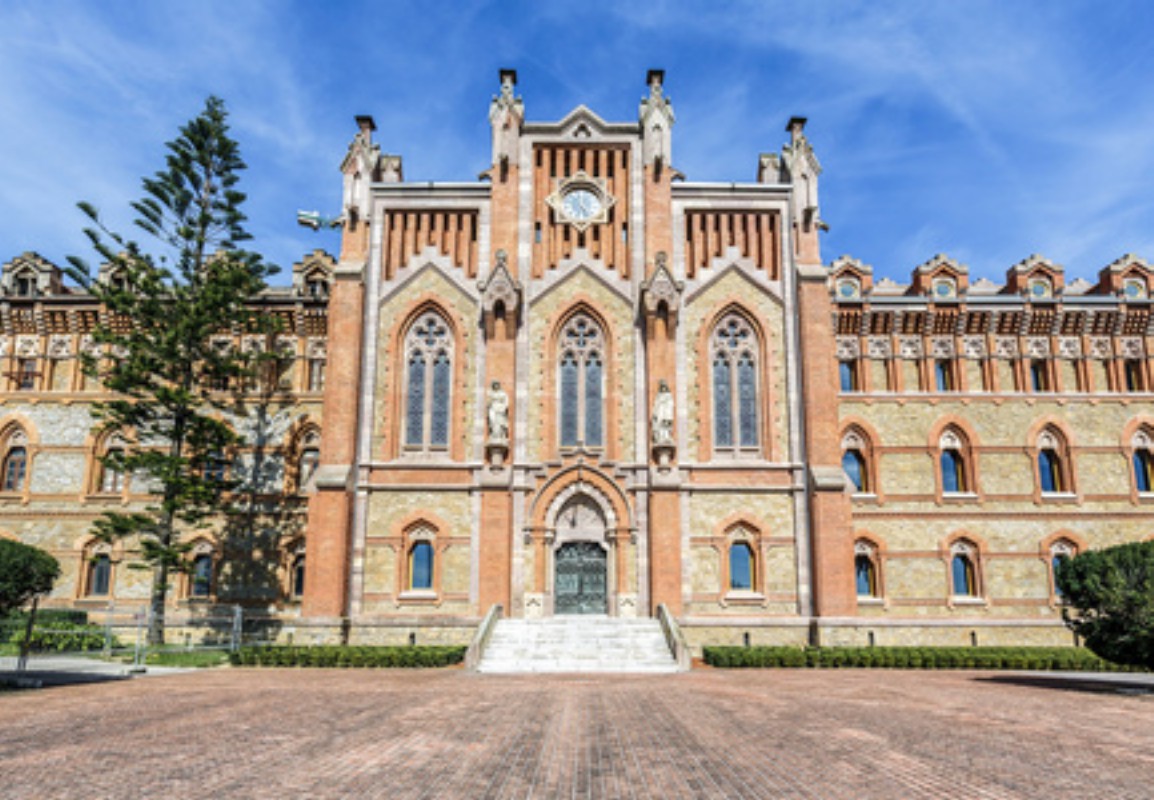
An organization named ‘Europa Laica’ (Secular Europe) decided to take action and brought the case to court. They argued that Spain is a secular state, and public university land is a public educational resource that should not be used for permanent religious activities. After several hearings, the High Court of Justice of Murcia ultimately ruled that the church’s presence on public land is illegal because the concession it was based on has expired. Legally speaking, it is now an ‘unauthorized building’.
Key Points of the Controversy
Once the ruling was announced, public debate erupted. There are strong opinions on both sides. I’ve summarized the main arguments for you to consider:
| Arguments in Favor | Arguments Against |
|---|
| It’s part of the historical and cultural heritage. | It seriously violates Spain’s principle of separation of church and state. |
| It provides spiritual church services at Spanish universities for religious students and staff on campus. | It illegally occupies public educational land that should be returned to the university. |
It has existed for half a century, so there’s no need to make a big deal out of it. | The land concession has expired, making its occupation illegal. |
| Demolition would be costly and impractical. | It’s necessary to uphold the seriousness of the law and the sanctity of public property. |
This issue is far from over. Although the court has made its ruling, how to enforce it remains a question. A long process of wrangling between the university administration, local government, and the church is likely to follow. However, this case is highly representative, reflecting the clash between traditional religious influence and modern secular ideals in Spanish society. What do our forum members think about this? Do you believe permanent religious venues should have a place on public university campuses? Feel free to leave your comments and join the discussion!
