New Traffic Law in Effect: V16 Emergency Lights to Completely Replace Warning Triangles
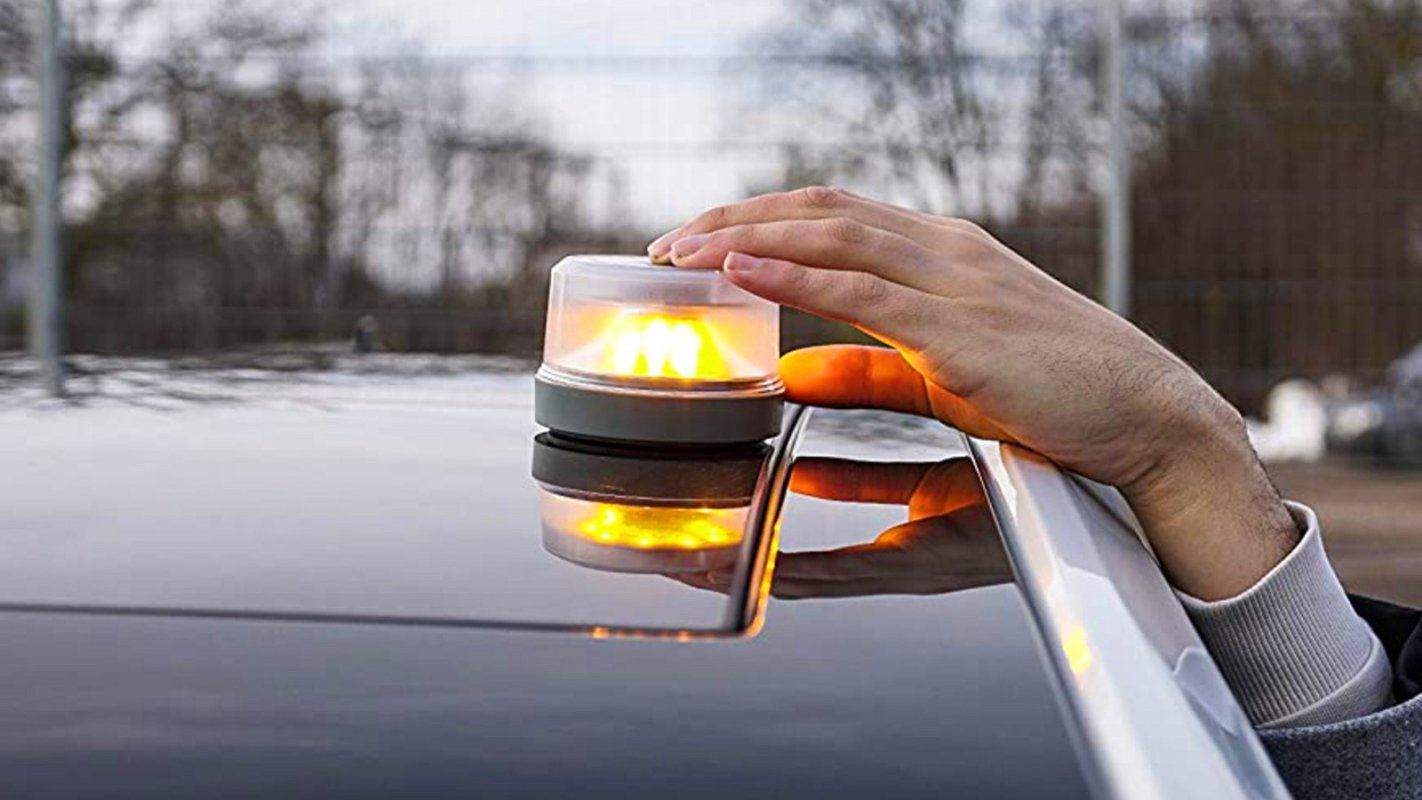
Starting January 1, 2026, a new traffic regulation promoted by Spain’s General Directorate of Traffic (DGT) will come into effect, mandating that all vehicles must use V16-type emergency signal lights during a breakdown or accident on the road. This rule means the traditional red warning triangles are officially phased out.
According to the new regulation, only officially certified V16 devices with geolocation and connectivity features will be compliant. When activated, these devices not only emit a high-visibility flashing light but also automatically transmit the vehicle’s precise location in real-time to the DGT’s central platform, significantly improving emergency response times and road safety. Any driver failing to use a compliant V16 emergency light as required will face a fine. The measure aims to fundamentally reduce the risk of secondary accidents caused while placing warning triangles.
New Consumer Credit Regulations Forthcoming: Aimed at Protecting Consumers
The Minister of Economy, Trade and Business, Carlos Cuerpo, announced that the government plans to approve a new regulation in January 2026 to govern the consumer credit market. The core of this law is to set a cap on the interest rates of consumer credit products to curb the financial pressure on consumers caused by excessively high interest.
The new rules will require lending institutions to fully and transparently disclose all interest rates and related fees when promoting credit products. Additionally, the regulation will introduce a minimum 24-hour “cooling-off period” between the issuance of a loan offer and the formal signing of the contract, ensuring consumers have sufficient time for careful consideration. This initiative aims to reduce the risk of household over-indebtedness and enhance the transparency and fairness of the consumer credit market.
20th Anniversary of the Anti-Smoking Law: Significant Public Health Achievements
January 1, 2026, marks the 20th anniversary of the implementation of Spain’s Anti-Smoking Law. This law, first introduced in 2006 and progressively tightened, ultimately achieved a complete ban on smoking in all enclosed public spaces such as offices, bars, and restaurants, completely changing the social landscape of Spain.
Official data shows that over the past two decades, the proportion of daily smokers in the population has significantly decreased, proving the law’s positive impact on public health. However, tobacco products still cause approximately 50,000 deaths from related diseases each year. In the face of the rise of new tobacco products like e-cigarettes, various sectors of society are still discussing further anti-smoking measures, such as expanding smoke-free zones and strengthening health campaigns.
Weather and International News
In weather news, Spain’s State Meteorological Agency (AEMET) forecasts that due to the influence of an Arctic air mass brought by Storm “Francis,” the possibility of snowfall in the capital, Madrid, on the eve of Three Kings’ Day on January 5 has increased. Residents are advised to monitor weather changes and plan their holiday outings accordingly.
On the international front, a serious incident occurred in the southern Swiss ski resort of Crans-Montana in the early hours of New Year’s Day on January 1. A bar exploded and caught fire during a New Year’s Eve party, resulting in dozens of deaths and over a hundred injuries. Meanwhile, in the Russia-Ukraine conflict, both sides accused each other of launching attacks on civilians and infrastructure during the New Year period, leading to casualties, with the situation remaining tense.
