Review Overview: Significant Differences in Industrial Products
In January 2026, the Spanish Organization of Consumers and Users (OCU) published a detailed analysis of 12 industrially produced Roscón de Reyes from major supermarkets. The report indicates that while these mass-produced products generally can’t match the flavor of traditional artisanal pastries, there are huge disparities in quality, ingredients, and price among brands, which consumers should carefully distinguish when shopping.
The Winners: Carrefour, El Corte Inglés, and Lidl
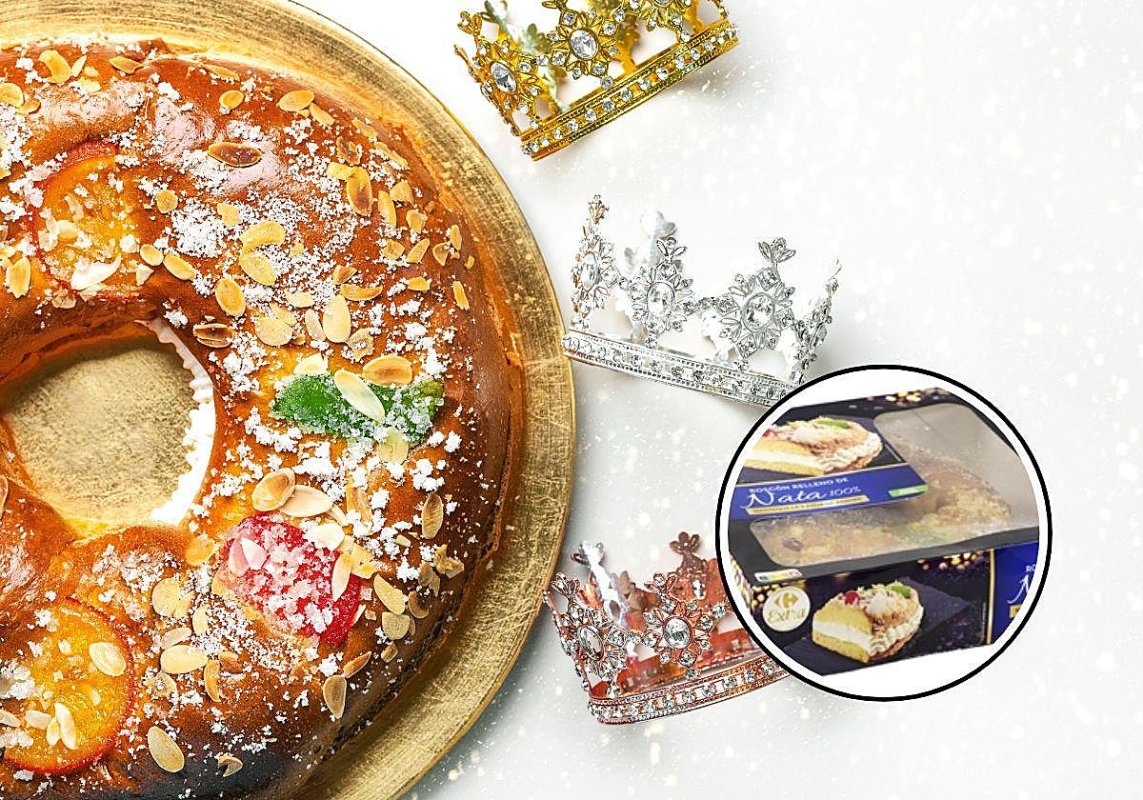
Among all products tested, the pure cream-filled Roscón de Reyes from Carrefour’s Extra range stood out with a top score of 63. Priced at around €9.49, its cream filling makes up 48% of the total weight, and it is explicitly made with 100% pure cream. Additionally, the proportion of butter in its dough also received positive reviews. Following closely were the El Obrador brand from El Corte Inglés and the product from Lidl. Both cakes scored over 60, earning a ‘good quality’ rating from the OCU and are recommended choices.
Brands to Watch Out For: Mercadona and Aldi
In contrast, some popular supermarket chains were disappointing this time. Mercadona’s product received a mediocre rating of only 43, while Aldi’s product ranked last with a low score of 33. The analysis reveals that the main issues with these low-scoring products are twofold: first, they use cheaper vegetable fat blends (such as palm, coconut, or rapeseed oil) to partially or completely replace real cream; second, there is an overuse of additives. Data shows that the tested products contained an average of 12 different additives, with one product containing as many as 46, which seriously compromises the natural taste and health value.
Consumer Advice: How to Identify a Quality Roscón
The Spanish Organization of Consumers and Users (OCU) reminds all consumers to carefully read the ingredients list on the packaging during holiday shopping. A high-quality Roscón de Reyes should have an ingredient list that clearly states it contains ‘100% pure cream (Nata 100%)’ and uses ‘butter (mantequilla)’ instead of ‘vegetable oils (aceites vegetales)’. Furthermore, experts also advise that although the Roscón de Reyes is a traditional festive food, given its high sugar and fat content, it should be enjoyed as an occasional treat and consumed in moderation.
