Rent Growth Hits a Ceiling
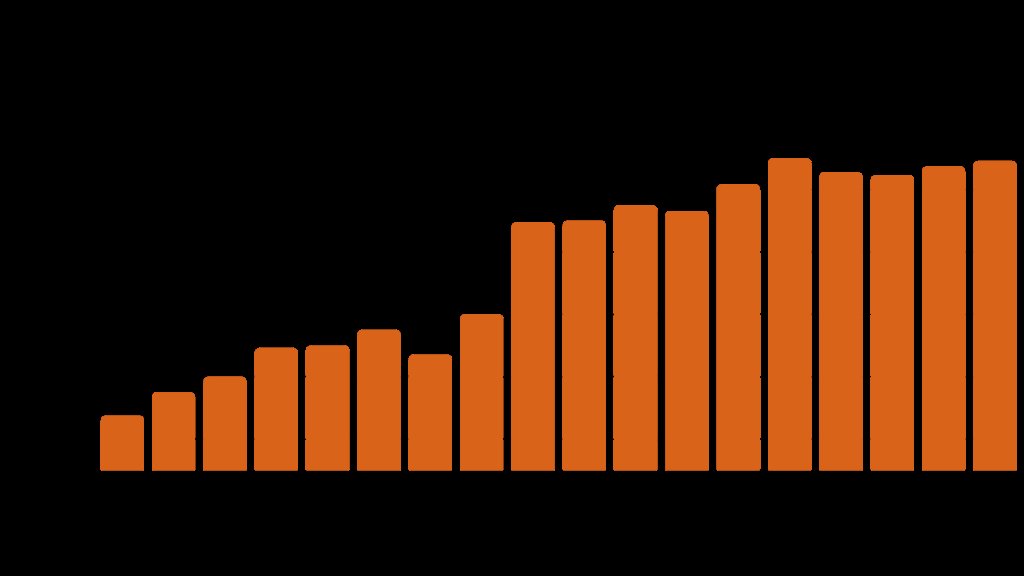
After three years of rapid escalation, Valencia’s rental prices seem to have hit a bottleneck. According to a report released in January 2026 by the property portal Idealista, the annual rent increase in the city of Valencia for 2025 was 6%. This figure indicates a significant slowdown compared to the 12% increase in 2024 and the staggering 20% in 2023. Real estate agencies widely report that when the monthly rent for an apartment exceeds €1,300, market demand drops sharply, and the search period for potential tenants lengthens considerably, indicating that the affordability for most households is nearing its limit.
Rent Seriously Decoupled from Income
Currently, the average rent in Valencia’s urban area has risen to €15.9 per square meter. At this rate, a typical 90-square-meter, three-bedroom apartment costs as much as €1,431 per month. Among the districts, Ciutat Vella leads with a price of €20 per square meter, followed closely by L’Eixample and Poblats Marítims at €17.5 and €16.5, respectively. Since 2021, the cumulative rent increase in the city has reached an astonishing 46%, while according to official data, the average wage increase for local residents over the same period was merely 4.3%. The widening gap between rent and income has become the primary reason forcing a large number of residents to move away from the city center.
Rental Demand Spills Over to Satellite Towns
The high cost of living in the city is pushing more and more renters towards the surrounding areas. A survey shows that about 31.8% of tenants have already turned their attention to Valencia’s satellite towns. In towns like Torrent, Paterna, and Moncada, the rental market activity has even surpassed that of the city districts. However, the concentrated influx of demand, coupled with the additional pressure from new immigrants, has made the housing supply in these peripheral towns extremely tight. For instance, in a moderately sized town like Quart de Poblet, there are currently only single-digit (9) properties available for rent on the market, highlighting a severe supply-demand conflict.
Supply-Demand Imbalance Unlikely to Be Resolved Soon
Experts point out that the Valencia metropolitan area is currently one of the fastest-growing regions in Spain in terms of population, with 84% of its population growth coming from foreign immigrants. The continuous influx of people provides a stable and strong demand for the rental market. Against the macroeconomic backdrop of a severe housing supply shortage, although the rent increase has moderated, it is expected that the overall rent level will remain high in the short term. For families working and living locally, finding a balance between commuting convenience, living quality, and affordable rent is becoming an increasingly severe real-world challenge.
