A Preview of the 2026 Three Kings’ Day Celebrations in Spain
Three Kings’ Day (Día de los Reyes Magos) is one of Spain’s most important traditional holidays, similar in spirit to Children’s Day. The festival originates from the biblical story of the Three Wise Men from the East—Melchior, Gaspar, and Balthazar—presenting gifts to the infant Jesus. Today, it has evolved into a day when children receive gifts. Well-behaved children get sweets, while those who have been naughty might receive a symbolic ‘sweet coal’ (Carbón dulce).
Main City Parade Schedules
On the evening of January 5th, parades (Cabalgatas) will be held throughout Spain. The Three Kings ride on floats and toss sweets to the crowds, with the total amount reaching 15 to 20 tons each year.
Madrid: The parade begins at 6:00 PM on January 5th from Plaza de San Juan de la Cruz, heading south along Paseo de la Castellana, passing through Plaza Colón, and concluding at Plaza de Cibeles. There, the Three Kings will deliver a speech to the children. For 2026, Madrid plans to toss 1,200 kilograms of sugar-free sweets. Additionally, according to the State Meteorological Agency (AEMET), snowfall is possible during the event due to the influence of Storm Francisco.
Barcelona: The parade kicks off at 4:15 PM from Pla de Palau, proceeding along Avinguda del Marquès de l’Argentera, passing the Columbus Monument, and finally arriving at the Magic Fountain of Montjuïc (Font Mágica de Montjuïc).
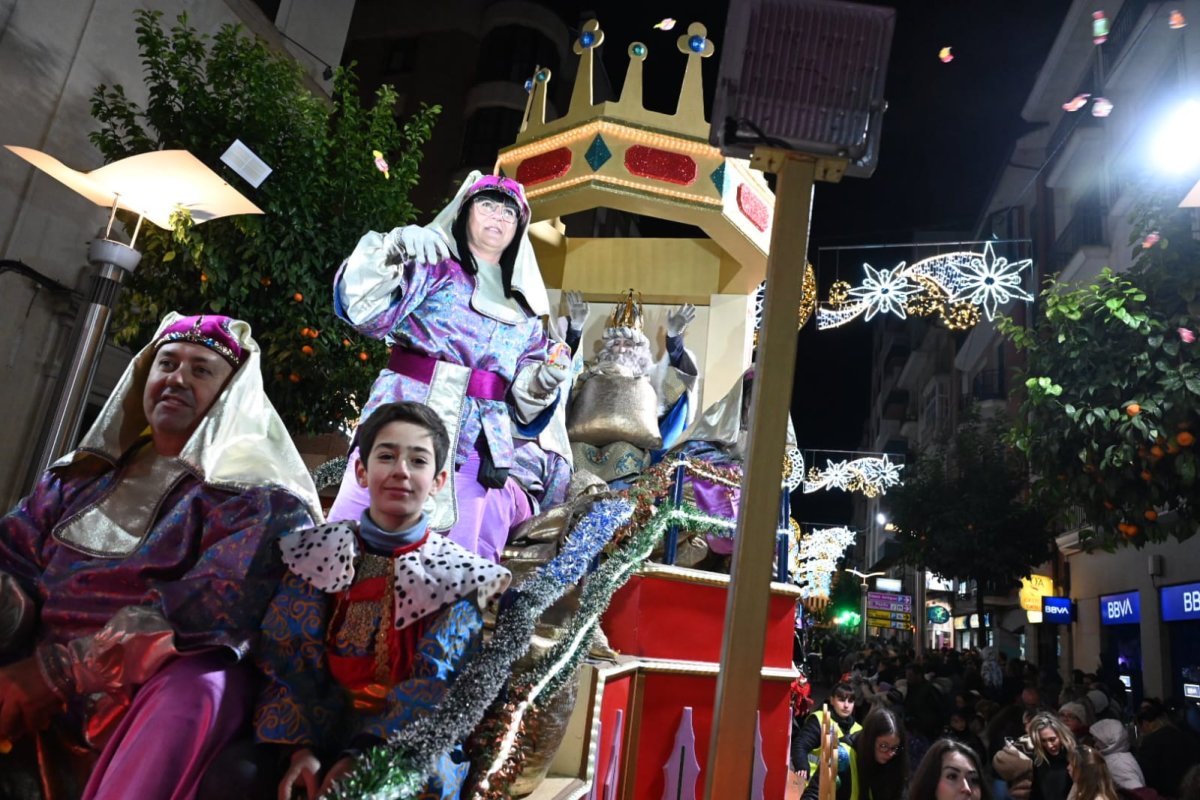
Valencia: The Three Kings will arrive by boat at the Port of Valencia at 4:30 PM. The parade starts at 5:30 PM from the Palacio de la Exposición, with the finish line at Plaza del Ayuntamiento, where the Kings will greet the public from the city hall balcony.
The Traditions and Myths of the Roscón de Reyes
On Three Kings’ Day, Spanish families share the Roscón de los Reyes. This is a ring-shaped cake with a fava bean (haba) and a small figurine (figurita) hidden inside.
The meanings behind these items vary by region and aren’t simply about ‘good luck’ or ‘bad luck.’ A common tradition holds that whoever finds the figurine must buy the Roscón for the next gathering, thereby passing on the good fortune. Meanwhile, the person who finds the fava bean is crowned ‘king for the day’ and enjoys special treatment. In other regions, the roles are reversed: the person who gets the bean has to pay for the current Roscón. Regardless of the custom, it’s a fun activity that enhances interaction among family and friends.
Each year, bakeries compete for the title of best Roscón. Looking ahead to 2026, it’s worth noting that Madrid’s Doble Uve Obrador won the award for the best Roscón of 2025. Their award-winning creation weighs half a kilogram, sells for €30, and is made with a variety of ingredients including white sugar, brown sugar, butter, and lemon zest.
