Introduction
The municipal government, led by Barcelona’s Mayor Jaume Collboni, has officially passed a major amendment to the Civic Ordinance after reaching an agreement with the Junts and ERC parties. Considered the city’s most stringent urban management regulation in 20 years, it will take full effect in February 2026. Its core objective is to curb out-of-control tourism-related disruptions and reshape Barcelona’s public image.
Crackdown on Stag/Hen Parties and Public Nudity
The new ordinance specifically targets the escalating culture of stag and hen parties. It prohibits carrying or displaying any dolls, clothing, or accessories in public spaces that ‘explicitly depict human genitals or have overtly sexual connotations.’ This means that the once-common parades featuring outrageous costumes and lewd props will be legally banned.
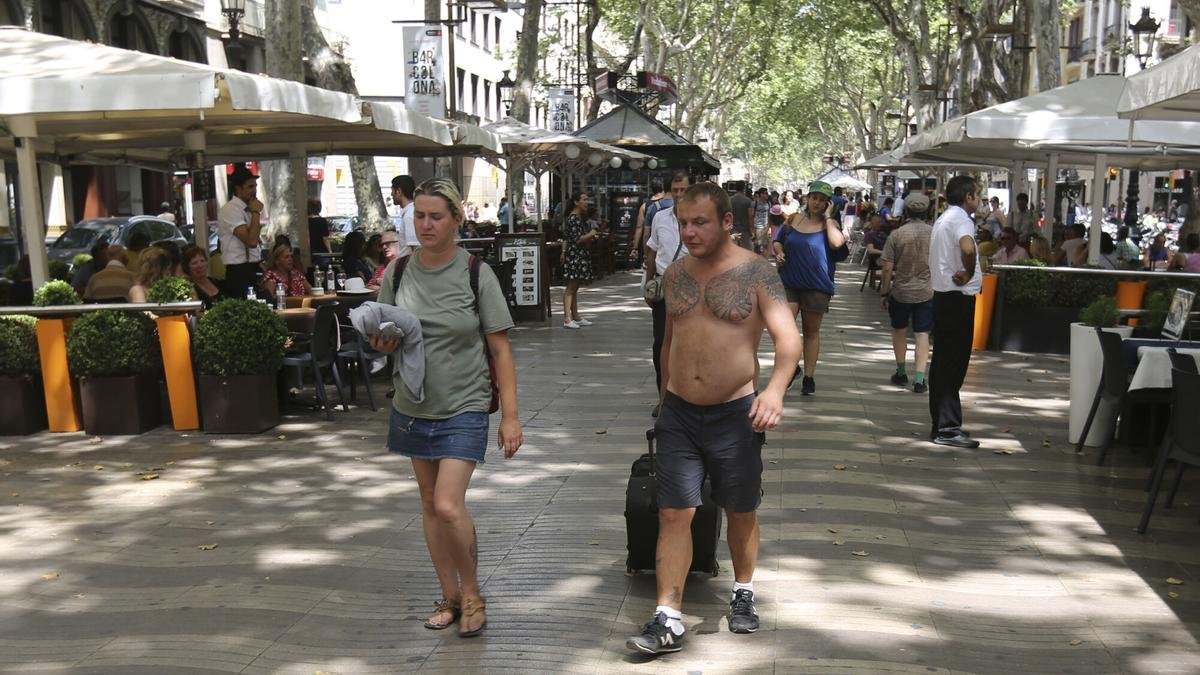
At the same time, the new regulation reaffirms penalties for public nudity. Except in designated areas like beaches, swimming pools, and adjacent promenades, anyone shirtless in the city streets will face a fine of €120 to €300. If the act escalates to full nudity, the fine will increase to €300 to €500. Law enforcement officers will issue a verbal warning before issuing a ticket; non-compliance will result in a severe penalty.
Significant Increase in Fines for Violations
To improve urban sanitation, the new ordinance substantially raises the fines for related offenses. The fine for public urination and defecation has been increased from a previous maximum of €300 to €750. If such acts occur near historic monuments, in narrow streets, or in the presence of minors, the maximum fine will soar to €1500.
Furthermore, to address the long-standing issue of graffiti that plagues businesses and residents, the new rules raise the maximum fine to €600 and stipulate that violators must also bear the cleanup costs.
Strengthening Enforcement
To ensure the effective implementation of the new ordinance, the Barcelona city government plans to add about 100 Guardia Urbana (City Police) officers to enhance street patrols and enforcement. The authorities are also considering equipping officers with mobile payment terminals to process fines on the spot. The ordinance specifically notes that the Catalan language will be the preferred language for communication during police enforcement. This series of measures marks a significant shift in Barcelona’s urban governance strategy, moving from an era of ‘unlimited tolerance’ to one where ‘order is a priority.’
