Pandemic-Era Low-Cost Contracts Expiring en Masse
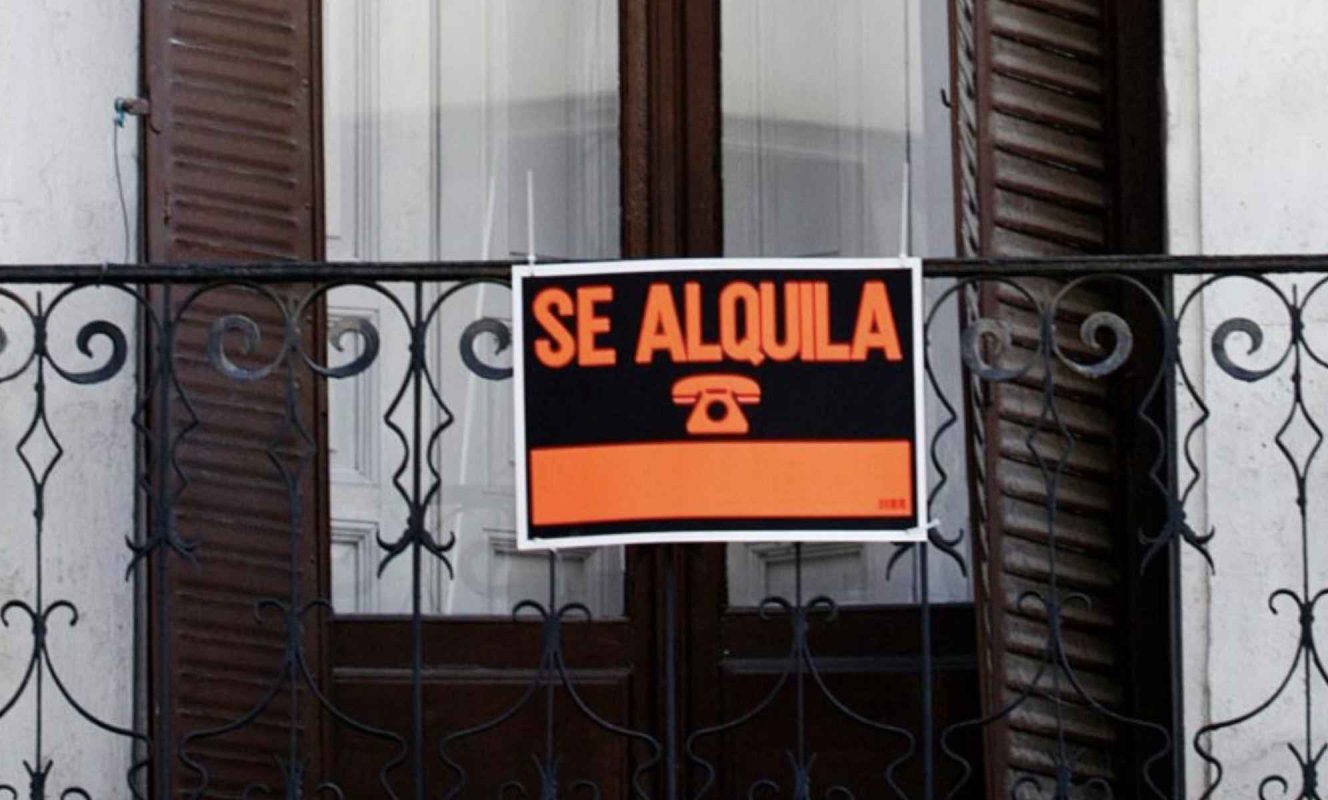
From 2020 to 2021, impacted by the pandemic, a halt in tourism, and an uncertain economic outlook, rental prices in Spain dropped significantly, creating a ‘perfect storm’. During this period, around 600,000 households nationwide seized the opportunity to sign long-term rental agreements of 5 or 7 years, locking in rents far below the market rate. However, these contracts will begin to expire starting in 2026. Simultaneously, government rental laws that once capped rent increases to the Consumer Price Index (CPI) have artificially suppressed rents against a backdrop of high inflation, widening the gap with market prices.
Landlords Contemplate “Retaliatory” Price Hikes
After enduring several years of ‘losses,’ many landlords are preparing to ‘settle the score’ once contracts expire. According to major market index forecasts, the average rent increase across Spain could be as high as 35.2% starting in 2026. The situation is even more severe in large cities like Madrid and Barcelona, with projected increases potentially exceeding 40%. Landlords have the right to update rents to the current market price, and past restrictive policies have only postponed the problem, which will further intensify market tensions.
Structural Supply Shortage is the Core Conflict
Behind the pressure of rising rents is Spain’s long-standing structural housing shortage. According to a survey by Fotocasa, 42% of landlords plan to exit the long-term rental market after their current contracts end. Many intend to switch to less regulated, higher-return short-term or tourist rentals, which will cause the already scarce housing supply to shrink further. In Catalonia, for example, the number of rental contracts signed in the first quarter of 2025 has already plummeted by 20% year-on-year.
A Dual Legal and Social Dilemma
A deeper problem lies in the lack of legal protection. Economics professor Leandro Esquivar points out that when the law protects contract breachers and squatters more than landlords, a healthy market cannot develop. Furthermore, Spain’s public housing stock accounts for only 1.6% of the total, far below the EU average of 9% and a world away from the nearly 30% in the Netherlands. Currently, the average Spanish household spends 43% of its income on rent, and housing affordability is at a tipping point. In hotspots like Madrid and Ibiza, extreme cases have emerged, such as a single bed in a shared room being rented for 550 euros a month, highlighting the severity of the rental crisis. The Bank of Spain has issued a warning on this matter, believing the issue poses a threat to overall economic growth.
