Holiday No-Shows Surge, Hospitality Sector Seeks Protection
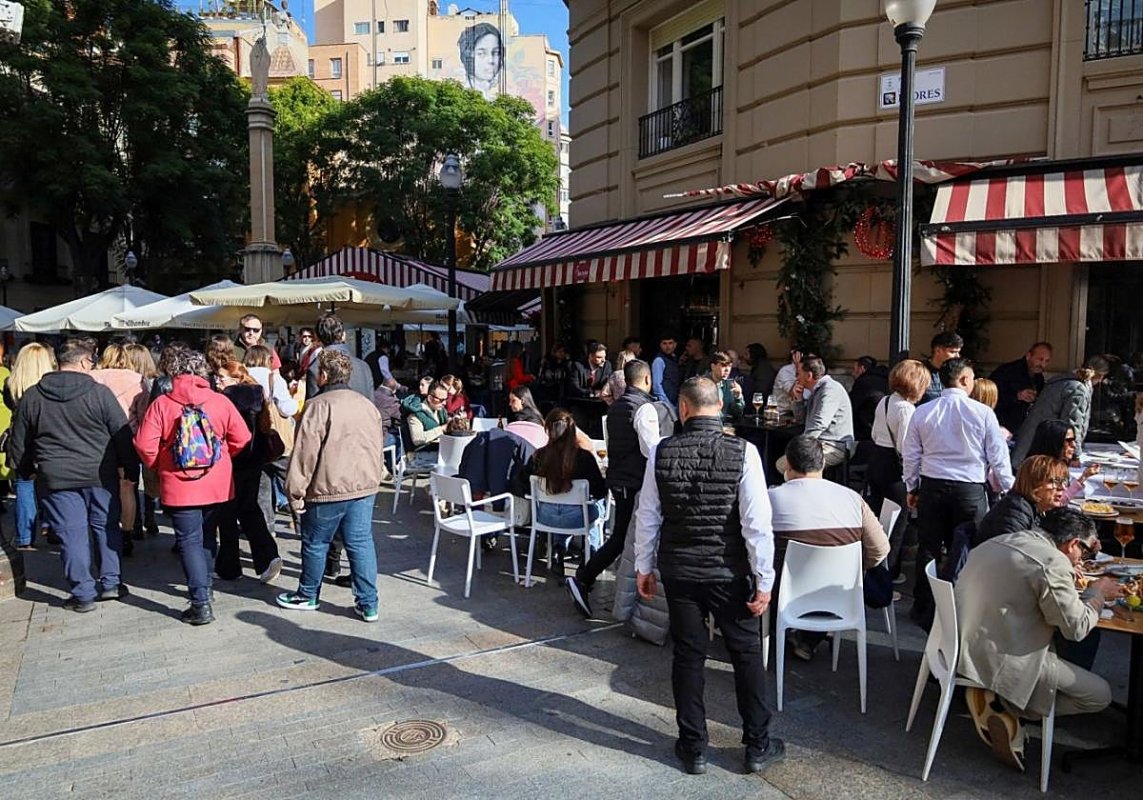
During the recent Christmas and Three Kings’ Day holiday period, while the hospitality industry in Murcia enjoyed a peak in reservations, it also faced a severe problem: last-minute cancellations or complete no-shows for large table bookings. José María Rubiales, president of the association of cafés, bars, and related businesses under the Murcia Region’s Hotel and Catering Federation (HoyTú), pointed out that a no-show for a large table of 8 to 10 people means a significant financial loss for a restaurant. Establishments not only hire extra staff for the holidays but also bear higher food costs than usual, and it’s difficult to find new customers to fill the empty table at the last minute.
Reservation Fees: From High-End Exception to Common Practice
To counter the business risks posed by no-shows, the practice of requiring a deposit or credit card information at the time of booking has emerged. This measure, which spread rapidly after the COVID-19 pandemic, is no longer a special rule limited to Michelin-starred or high-end establishments but has expanded to everyday restaurants in the Murcia region. Currently, some restaurants only implement this policy during peak seasons like Christmas, while others have adopted it as a standard year-round procedure.
Consumer Association: Legality of Charges Depends on Transparency
In response to this trend, the Association of Online Consumers and Users (Consumur) has issued a reminder, clarifying that while it is legal for restaurants to charge for reservations, they must strictly adhere to the principle of transparency. Firstly, before the reservation is made, the restaurant must inform the customer completely in a clear and visible manner about its cancellation policy, including the amount of the penalty that may be charged for a breach. Secondly, any deposit paid in advance must be fully deducted from the final bill and cannot be treated as an extra charge. If a restaurant fails to fulfill its obligation of prior notification, consumers have the right to file a complaint and request a refund of any amount charged.
Three Common Models in the Murcia Region
Currently, restaurants in Murcia primarily use three methods to manage reservations:
- Fixed-Amount Deposit: A fixed fee is charged in advance, which is then deducted from the total bill upon payment.
- Proportional Fee: A deposit is charged based on a certain percentage of the menu price. The consumer association suggests that the penalty should be proportional to the restaurant’s actual loss; for example, a charge of around 10% of the menu price per person is considered reasonable.
- Credit Card Guarantee: Only the customer’s credit card information is recorded. The agreed-upon penalty is only charged if the customer fails to show up without prior cancellation.
Regardless of the method used, the core legal requirement remains the same: before a customer confirms a reservation, they must be clearly informed of all related charges and cancellation terms.
